

























































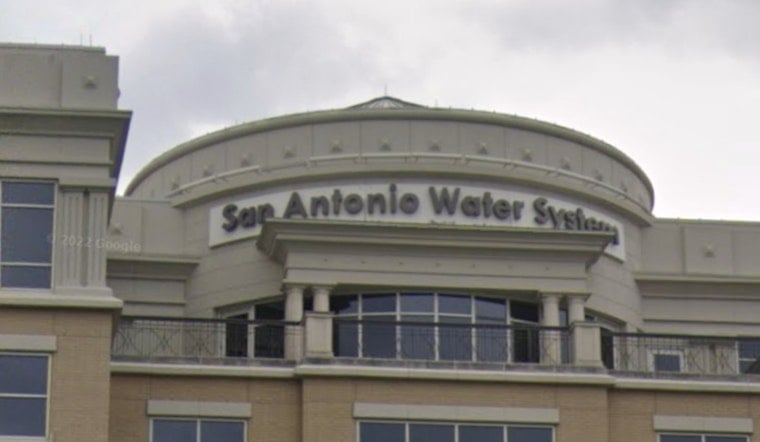
San Antonio residents can now keep an eye on how much treated water slips through the system without ever showing up on a bill, thanks to a new public dashboard from the city’s water utility.
The online tool tracks what the industry calls non‑revenue water, or water the system produces but does not bill for. It bundles meter reads, leak‑detection counts and repair response times into charts and tables so customers can see whether San Antonio Water System’s repair work and meter upgrades are actually cutting losses. SAWS says the dashboard is part of a transparency push as the utility wrestles with drought‑era supply constraints and aging pipes.
According to SAWS, the Non‑Revenue Water Dashboard (saws.org/dashboard) will be updated monthly and includes charts and data that measure water produced but not delivered or billed. The utility also notes it provides water and wastewater services to more than 2,000,000 customers across the San Antonio region and intends the dashboard to help the public follow leak detection and meter‑replacement work.
What the Dashboard Puts on Display
The dashboard breaks non‑revenue water into real losses such as underground leaks and main breaks and apparent losses such as meter under‑registration and unbilled authorized uses. As reported by WOAI, SAWS officials said the utility has already cut non‑revenue water by about 26% and has set a goal to reduce losses by 50% per connection per day by 2035. The dashboard also links to monthly non‑revenue water reports so residents can compare trends over time.
New Meters, More Data and Quicker Fixes
SAWS says the dashboard reflects recent investments in its system. The utility will replace 106 Edwards Aquifer production meters by the end of 2026 and has expanded its ConnectH2O electronic customer‑meter rollout to provide hourly reads. According to SAWS, crews had identified roughly 300 potential leaks as of July 1, 2026, and the utility is using predictive analytics to find hidden leaks before pipes fail. SAWS also reports improved response times for water main breaks and leak repairs as part of the non‑revenue water program.
Why It Matters for Ratepayers
Tracking non‑revenue water is more than a data exercise. It affects the utility's finances, conservation strategy and eligibility for state funding. The Texas Water Development Board requires major retail systems to file annual water loss audits, and clearer measurements help utilities prioritize projects and justify spending to regulators and customers. SAWS' dashboard could feed those audits and give officials a public way to show progress on costly infrastructure work.
What To Watch Next
SAWS plans to refresh the dashboard each month, and readers can check the saws.org dashboard for new charts and the monthly non‑revenue water reports. As WOAI noted, the dashboard comes as the utility weighs long‑term rate and capital projects, so data from the tool may figure into upcoming board and council discussions.


