

























































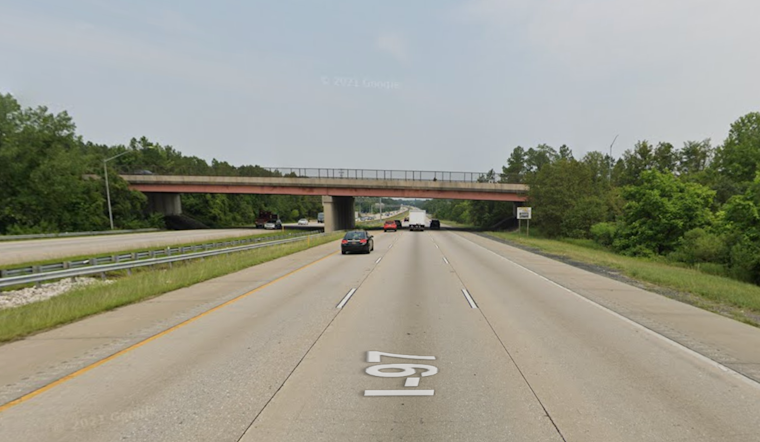
Extreme heat turned a key stretch of Interstate 97 into a construction zone Friday afternoon, when northbound lanes near the Brightview Drive overpass in Millersville buckled, shattering concrete and exposing rebar across all three lanes. State and local crews rushed in to shut the roadway down, closing northbound I-97 between Benfield Boulevard and New Cut Road and snarling holiday traffic headed toward Baltimore.
According to Eye On Annapolis, Maryland Department of Transportation crews briefly let northbound drivers detour around the damage by cutting across the grass median while inspectors assessed how bad the blowout was. Anne Arundel County police told the outlet the highway would be shut down for “a considerable amount of time” and urged motorists to steer clear of the area.
Heat Warning And Travel Impacts
The National Weather Service had an Extreme Heat Warning in place for the Baltimore–Washington region over the holiday weekend, calling for heat index values between 110 and 115 and cautioning that prolonged, intense heat can strain infrastructure and transportation systems. CBS Baltimore reported daytime highs near 100°F in the city and a wave of event changes and parade adjustments as local governments tried to limit how long people were stuck out in the heat.
Why Concrete Buckles
Transportation researchers say pavement failures like this, often dubbed a “blowup,” happen when jointed concrete slabs expand in extreme heat, push against each other at their joints, and eventually pop upward as compressive forces build. A U.S. Department of Transportation modeling study notes that slab temperature, the condition of the joints, and the concrete’s coefficient of thermal expansion all play a role in when and how a roadway will fail. Eye On Annapolis also points back to a similar heat-related blowout on Route 50 near Bowie in July 2012.
Fixing this kind of damage usually means cutting out and replacing the broken slabs, then waiting for the new concrete to cure, a process that can keep lanes closed for days instead of hours. The Maryland Department of Transportation State Highway Administration describes comparable long-term closures for other concrete repair work. Drivers are urged to keep an eye on conditions and any detours using MDOT’s CHART traffic cameras and incident maps for near-real-time updates.
Anyone traveling between Annapolis and Baltimore should expect slowdowns and build extra time into their plans until inspectors finish their work and initial repairs are in place. Before heading out, check local traffic feeds along with MDOT alerts so you are not surprised by a backup you could have avoided.



