

























































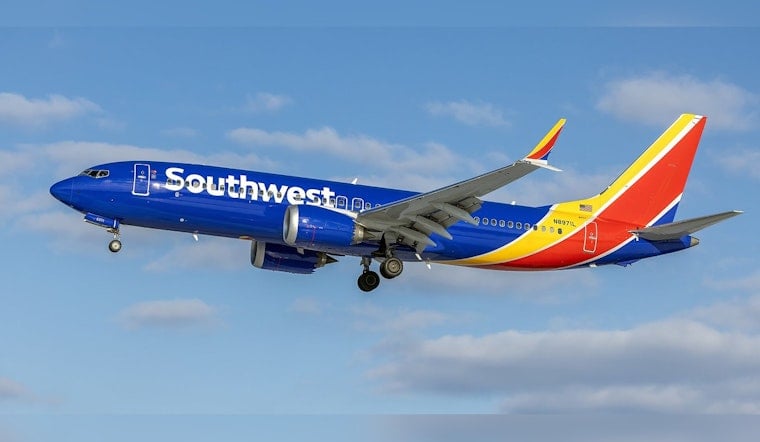
A routine Southwest hop from Seattle to Sacramento in August 2024 has turned into a federal courtroom fight, with a young woman accusing the airline and a fellow passenger of sexually assaulting her mid-flight and failing to stop it. The newly filed complaint names both Southwest and the passenger, alleging the encounter left her with physical and emotional injuries.
According to a civil lawsuit first detailed by KING5, the woman - who was 20 at the time - is suing the male passenger and Southwest for negligence and gross negligence. The complaint claims he repeatedly touched her without consent and that flight attendants kept serving him alcoholic drinks while failing to follow airline and federal rules meant to keep visibly intoxicated people from boarding or continuing to drink.
Criminal case and sentence
Federal prosecutors had already taken the case to criminal court. A U.S. Attorney's Office press release states that the passenger, identified as Jeff Lorenzo, pleaded guilty and was sentenced on Aug. 19, 2025, to 30 days in jail for sexual assault in the special aircraft jurisdiction of the United States.
Local coverage and court records describe allegations that Lorenzo repeatedly touched the woman during the flight, including grazing her leg, pressing his arm into her breast and at one point putting his head near her crotch. Reporting by KCRA also notes coworkers had previously raised concerns about his behavior.
What the lawsuit alleges
The civil suit brings assault and battery claims against Lorenzo and seeks money for medical care and psychological treatment. It also accuses Southwest of failing to properly train flight attendants to recognize and respond to in-flight sexual assault, and of not enforcing its own alcohol-service and safety policies.
The filing alleges crew members continued to serve alcohol to a passenger who was visibly intoxicated and did not follow procedures intended to protect other travelers. Southwest has declined to discuss the specifics of the allegations, citing the ongoing litigation, but KING5 reports that the complaint squarely challenges the airline's training and response.
Legal implications
Attorneys who handle similar cases say lawsuits like this often hinge on two questions: what the airline knew, or reasonably should have known, about a potentially dangerous passenger, and whether the crew followed company policy and training once trouble started. The answers tend to decide whether a negligence claim sticks or fizzles.
In recent years, regulators and safety experts have pushed airlines to tighten up on alcohol service and ramp up crew training after a nationwide spike in unruly passengers. The Federal Aviation Administration has adopted a "zero tolerance" stance toward disruptive behavior in the air and shares enforcement information with TSA and federal prosecutors. FAA guidance and industry reviews point to more consistent crew training and clearer alcohol rules as key tools to prevent assaults and other in-flight incidents, and those same standards are increasingly dragged into civil court as benchmarks for airline conduct.
What’s next
The civil case is pending in federal court and will now move into the usual grind of motions, discovery and scheduling conferences, with a judge setting the timetable. Southwest maintains it cannot comment while the case is active. Even so, the lawsuit is likely to feed into a broader debate over how far airlines must go in cutting off drinks, spotting warning signs and stepping in quickly when a passenger reports feeling unsafe at 35,000 feet.





