

























































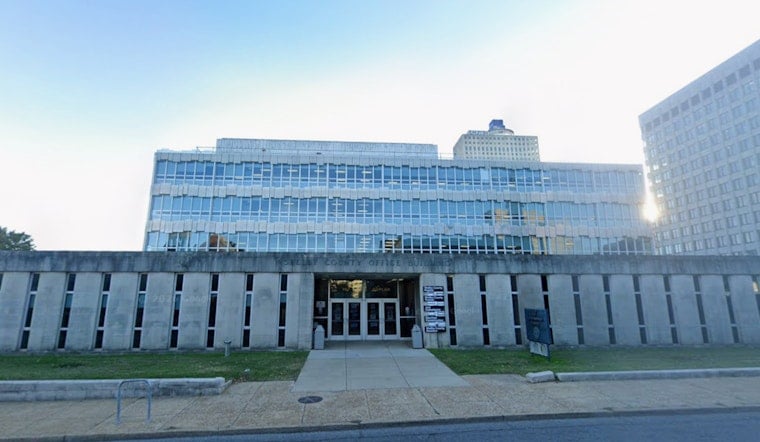
Shelby County commissioners head into their Monday meeting staring down a cash crunch that hits right as the new fiscal year begins. On the table is a proposed $125 million line of credit and a small emergency fix for failing air conditioning at the county jail, a move officials say is meant to keep basic operations running until property-tax money starts rolling in later this year. The short-term patch underscores a recurring pattern of financial triage that has left leaders scrambling for quick cash instead of leaning on healthier reserves.
As reported by The Daily Memphian, commissioners will vote on a $125 million credit line built from two buckets and on an emergency cooling repair for the Walter L. Bailey Jr. Criminal Justice Center. The outlet notes that the county’s low reserve fund helped drive a June vote to raise the county property-tax rate by one penny. County staff say the borrowing is meant to cover payroll, vendor payments and core services until property-tax receipts arrive later in the fiscal year.
Where the money would come from
Committee materials and local reporting reviewed by county officials show the plan leaning on both internal and external cash. Reporting by JustMyMemphis says the proposal calls for roughly $25 million to be shifted from the county’s debt-service fund and $100 million to come through a short-term tax-and-revenue anticipation note from an outside lender. That external note would be scheduled for repayment within the same fiscal year. Finance staff told commissioners the structure is meant to bridge operations until the bulk of property-tax revenue shows up on the books.
Longer-term strain and prior oversight
The current scramble is part of a larger pattern rather than a one-off emergency. State oversight and watchdog accounts have flagged Shelby County’s budget practices in recent years, including a 2025 refusal by the Tennessee Comptroller that limited the county’s ability to issue bonds. A report titled Comptroller rejected the county budget documented that intervention and the strain it created for borrowing capacity. Local leaders say rebuilding the reserve fund will be essential if the county wants to break the cycle of short-term fixes.
What it means for residents
Short-term borrowing can keep services running and vendors paid, but it comes with interest costs that eventually land on taxpayers or squeeze out other projects. Commissioners already voted in June to bump the property-tax rate by a penny to help shore up reserves, and residents could see more pressure on taxes or services if the underlying budget structure is not corrected. The upcoming vote will serve as a test of how convincingly county leaders can claim fiscal discipline while relying on another temporary lifeline.
Legal and oversight angle
Under Tennessee law, local governments can issue tax-and-revenue anticipation notes, but that kind of short-term debt usually requires signoff from the Comptroller’s Office and must be repaid within the fiscal year, according to the state’s debt guidance. The Comptroller’s Debt Manual and Local Government Finance materials spell out the application process, required approvals and repayment timelines for TRANs and similar borrowing, and county officials would have to follow those rules if the commission signs off on this deal. Tennessee Comptroller explains those constraints.
The commission meets Monday, and if members approve the resolution, county staff say they will move quickly to lock in the borrowing and spell out how and when the reserve fund will be restored. Residents and watchdogs alike will be watching not only for the interest rate and repayment terms but also for any sign that this short-term fix is paired with a real plan to stabilize Shelby County’s finances.





