

























































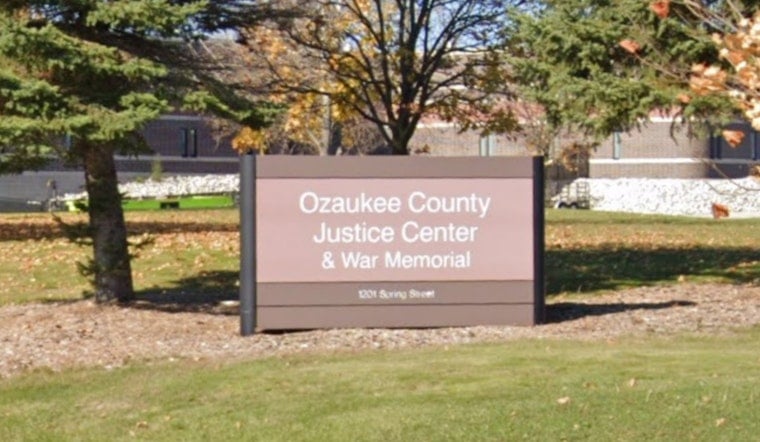
On Friday, July 10, 2026, environmental lawyers for the Sierra Club hauled the Wisconsin Department of Natural Resources into Ozaukee County Circuit Court, accusing the agency of cutting corners on environmental review for a massive data center going up just north of Milwaukee. Their petition says DNR walked away from a full environmental impact statement after developer pushback and instead signed off on narrower studies and permits, shorting local residents on the kind of public review they argue state law requires.
What the suit says
Midwest Environmental Advocates filed the petition for review on July 10, 2026, on behalf of the Sierra Club, naming DNR as the respondent and challenging the agency’s June 12 air permits and related approvals, according to Midwest Environmental Advocates. The filing asks the court to throw out DNR’s permit decisions and order the agency to prepare the detailed environmental impact statement the groups say is required under state law.
DNR permits and environmental review
The Wisconsin Department of Natural Resources says it did conduct an environmental analysis and, as part of that review, issued a minor source construction permit (25-MIN-094) and an initial operation permit for 45 diesel-fired emergency generators on June 12, 2026, according to the DNR’s project page. The agency’s online record links to a December 2025 environmental analysis summary and a June supplemental report that DNR says responds to public comments. The same site notes that the Lighthouse campus covers roughly 672 acres and needs a stack of approvals, including wetlands, stormwater and sewer permits.
Plaintiffs: a project unlike anything Wisconsin has seen
“The Port Washington data center is unlike anything Wisconsin has seen before,” said Elizabeth Ward, director of the Sierra Club’s Wisconsin chapter. The groups say the buildout will completely reshape the local landscape, consume staggering amounts of electricity and water, and significantly increase fossil-fuel emissions, according to a release from Midwest Environmental Advocates. Their petition argues those direct, indirect and cumulative effects trigger a clear legal duty to prepare a full environmental impact statement under the Wisconsin Environmental Policy Act.
How the groups say the DNR backtracked
Public records obtained by the plaintiffs, and described in local reporting, show emails and other communications between DNR staff and data center representatives in which the developer warned that a formal EIS would “kill the project,” according to Urban Milwaukee. The lawsuit argues those exchanges help explain why DNR ultimately opted for an environmental analysis summary instead of a full EIS.
Power, transmission and a separate PSC fight
Developers and regulatory filings indicate the first phase of the Lighthouse campus alone will require roughly 1.3 gigawatts of power, a load that has already driven proposals for new transmission lines and generation, according to the Badger Institute. In response to these kinds of mega-users, the state Public Service Commission this spring adopted a “very large customer” tariff meant to ensure massive new loads cover the cost of the infrastructure they need, per the Public Service Commission of Wisconsin. Oracle and other stakeholders have pushed back and taken legal action over parts of that decision, as reported in coverage of how the company took state regulators to court.
Health, generators and local pushback
Neighbors and health professionals urged DNR to deny, or at least scrutinize more heavily, the air permits for the site, warning that diesel backup generators could worsen local ozone and particle pollution. A Clean Wisconsin analysis cited during a public hearing pegged generator-related health costs in the range of $960,000 to $1.29 million per year, and residents added worries about noise, light, traffic and water use, according to Wisconsin Public Radio.
Legal implications
The plaintiffs are using Wisconsin’s administrative review process, filing under statutes that govern court review of agency actions, and they specifically argue that DNR violated the Wisconsin Environmental Policy Act by skipping a full EIS. Circuit courts that review administrative decisions operate under procedures set out in Wis. Stat. ch. 227 and can vacate agency orders or send them back for more review, according to FindLaw. If the court concludes DNR’s analysis was inadequate, it could order a full EIS or hold up permits until additional review is completed.
What happens next
The case landed in Ozaukee County Circuit Court on July 10. DNR has told reporters it cannot comment on ongoing litigation. The court will set a schedule for briefing and for compiling the administrative record, and whatever the judge decides could shape how Wisconsin regulators handle the next wave of hyperscale data center proposals. For now, opponents frame the lawsuit as a bid to restore public scrutiny, while developers continue to highlight projected jobs and local revenue as the project moves ahead.


