

























































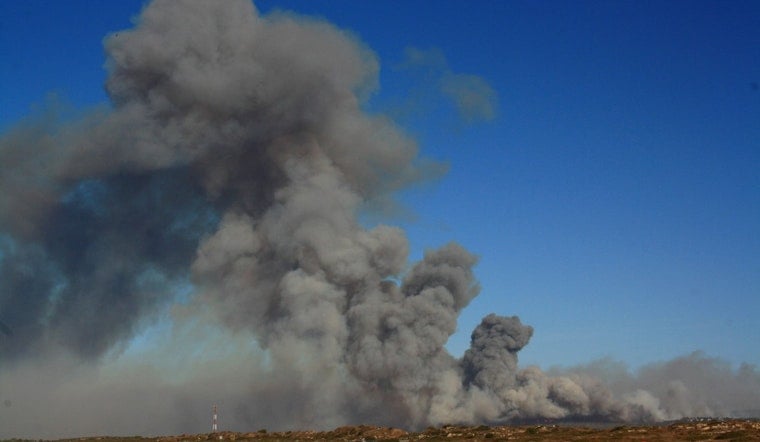
Milwaukee woke up under a thick, smoky haze on Thursday, July 16, 2026, with local observations reporting smoky conditions, temperatures around 73°F, and visibility trimmed to roughly 1 to 1.5 miles at some stations. The smoke is giving the sky a milky tint and is set to make outdoor plans uncomfortable for much of the day. Expect patchy smoke with mostly sunny skies and a high near 86°F, along with light east winds around 5 to 10 mph.
Air Quality Alert And What It Means
The Wisconsin Department of Natural Resources has issued an Air Quality Advisory for much of the state, in effect through Thursday noon, July 16, 2026, and is urging sensitive groups to limit outdoor activity and avoid heavy exertion, according to Wisconsin DNR. The advisory warns that PM2.5 concentrations could reach Unhealthy for Sensitive Groups to Very Unhealthy levels, with pockets of Hazardous NowCast conditions possible where the smoke is heaviest. People with asthma, heart disease, or other respiratory conditions are advised to follow their care plans and keep quick relief medicine nearby. In plain terms, this is not the day to go hard on a long run or spend hours doing yard work.
Forecast Through The Weekend
The National Weather Service in Milwaukee is calling for a mostly sunny Thursday with a high near 86°F, followed by a hotter Friday with a high near 93°F and heat index values up to about 97°F, according to NWS Milwaukee. Scattered storm chances return Saturday, with a cooler Sunday on tap near 83°F. Forecasters say the strongest storm chances will be south and west of the city, with only a slight chance of showers in Milwaukee itself. Smoke is expected to thin as winds shift over the weekend, although another surge remains on the table depending on northern wildfire activity and how the winds line up.
How To Plan
If you are sensitive to smoke, consider moving outdoor plans indoors, shortening your time outside, or rescheduling when possible, and keep quick relief inhalers within easy reach. Stay hydrated and avoid strenuous outdoor exercise during the hottest parts of the day, and if you have a car or building air conditioner, use the recirculate setting to help limit smoke indoors. A well fitted N95 mask can reduce particle exposure for short periods outdoors, but people with serious heart or lung conditions should prioritize getting to cleaner air spaces.





