

























































When federal food aid rules shifted last year, many refugees who had newly settled in Knoxville saw their Supplemental Nutrition Assistance Program benefits suddenly flagged for review or cut off entirely. Families who had built their budgets around an EBT card were left scrambling at the checkout line. Local resettlement workers say clients who once relied on SNAP now show up at food distributions with empty wallets and urgent, very basic questions about how they are supposed to eat this week.
Bridge Refugee Services, the city's longtime resettlement agency, has responded by reshuffling staff and pantry shelves toward emergency groceries while advocates press lawmakers to fix the policy that helped create the crisis.
Nonprofit Steps In Locally
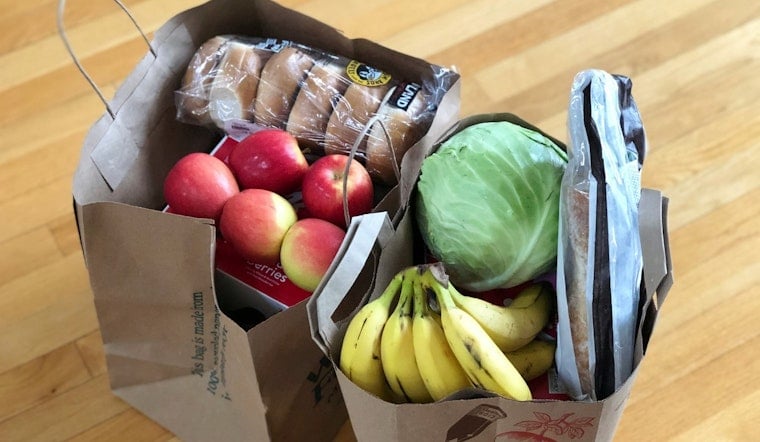
Bridge widened its selection of culturally familiar foods and boosted the number of emergency food boxes after a sharp jump in requests from recent arrivals, as reported by the Knoxville News Sentinel. A photo distributed through the USA TODAY Network shows staffers handing out fresh produce in front of Bridge's Knoxville office, a snapshot of how traditional resettlement work has tilted toward straight-up hunger relief. Volunteers and caseworkers say the crush of need was immediate and has not really let up.
What The Law Changed
The benefits cliff traces back to the One Big Beautiful Bill Act (P.L. 119-21), signed on July 4, 2025. The sprawling law tightened who qualifies for SNAP and rewrote several program rules, according to the Congressional Research Service. State guidance explains that county social services offices began rechecking noncitizen eligibility at recertification and that some refugees and parolees no longer meet the new criteria. The North Carolina Department of Health and Human Services cites February 1, 2026, as the general effective date for those changes. Taken together, stricter immigration-linked rules and expanded work requirements have left resettled families especially exposed.
Ripple Effect Across Tennessee
The enrollment hit is visible far beyond Knoxville. Using state data, reporters found that Tennessee had about 100,000 fewer SNAP recipients than it did in July 2025, according to the Tennessee Lookout. Knoxville Mayor Indya Kincannon has joined more than 200 mayors in urging Congress to roll back parts of the law, WVLT reported. Advocates warn the statute also shifts costs to states if their SNAP administrative error rates do not improve, a penalty that could trigger more service cuts just as agencies scramble to comply.
How Bridge Is Filling The Gap
Bridge Refugee Services, which helps resettle people from Africa, Southeast Asia, Eastern Europe and other regions, has stretched its pantry hours and stepped up fundraising to stock culturally familiar staples, according to Bridge Refugee Services and local reporting. Staff members are walking clients through appeals, helping gather documentation, and sending them to legal-aid clinics when needed. They are also coordinating closely with regional food banks to make limited supplies go further. The nonprofit's Knoxville office is accepting donations and directing clients in need to its distribution point at 4420 Whittle Springs Road, Suite A, for assistance.
Legal And Budget Implications
Beyond the emergency food lines, the law also rewires how SNAP is paid for. Federal support for state administration has been reduced, and states with high payment error rates could be required to shoulder part of the cost of benefits, according to the Congressional Research Service and USDA implementation memos. That creates a policy squeeze: cash-strapped states are told to clean up error rates while also confronting the fallout for households that are suddenly cut off. Advocates say tight calendars and paperwork demands translate into very real barriers for people living on the edge.
For now, Bridge and its partner food banks are the stopgap, handing out what they can and coaching clients through the maze of forms while legal groups and city officials push for legislative relief. In the months ahead, Knoxville will find out whether state and federal leaders soften the new rules or leave community groups carrying most of the load.



