

























































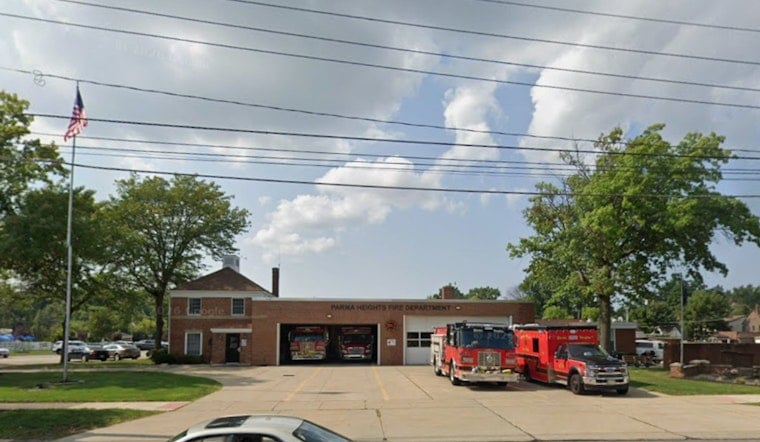
Parma and Parma Heights are changing how they respond when a 911 call is less about handcuffs and hoses and more about mental health, addiction, or life on the streets. On Monday, both suburbs signed off on a plan to embed a licensed MetroHealth social worker with police officers and firefighters on selected emergency calls involving mental-health crises, substance use and homelessness.
The one-year co-responder arrangement will place a master’s-level clinician on scene to handle immediate crisis intervention and follow-up case management. Local officials say the goal is to get people connected with treatment faster while letting police and fire crews focus on the emergencies only they can handle.
As reported by Cleveland.com, the agreement is valued at up to $207,130 for the first year. A $100,000 annual grant from Cuyahoga County cuts Parma’s initial share to $77,581, while Parma Heights will reimburse about $33,249. Parma will act as the contracting municipality and fiscal agent for the regional partnership, with cost shares tied to each city’s share of calls for service.
How the co-responder teams will operate
Under Cuyahoga County's First Call Cuyahoga initiative, dispatchers will screen incoming 911 calls to flag situations where a behavioral-health clinician could make a difference. In those cases, a social worker can be dispatched alongside police or fire crews to help de-escalate tense scenes, assess what people actually need and make on-the-spot referrals.
The county says its startup fund is designed to cover pieces like staffing, training and infrastructure so cities can tailor their co-response setups to local needs instead of relying on a one-size-fits-all model. Cuyahoga County detailed how the program and funding are structured.
Local call volume underlines the need
Parma’s own numbers help explain why leaders were ready to try something new. The fire department logged 649 psychological emergencies in 2024 and has dealt with dozens of overdoses, suicide attempts, and alcohol-related incidents in recent years. Those recurring, resource-heavy calls were a major factor in the push for a co-responder model, as reported by EMS1.
Officials say it will reduce repeat crises
“I really think this will help save lives, get people the wraparound service they need, stop the frequent calls to our safety forces and save lives at the end,” Parma Mayor Tim DeGeeter said, according to Cleveland.com.
Parma Safety Director Bob Coury said the city dug into past call data to make sure there was enough demand to justify the program. Parma Heights officials, for their part, said they are eager to partner on what they describe as “innovative solutions” that can strengthen emergency services for both communities.
Cuyahoga County's funding program lets municipalities apply on their own or as coalitions and can cover up to 50 percent of operating costs. Awards are capped at $50,000 per community per year, with higher limits available for coalitions, according to Cuyahoga County. Local leaders say they expect the Parma and Parma Heights co-responder team to start work within weeks and plan to track how often the social worker is dispatched so they can adjust cost shares as real-world call data come in.



