

























































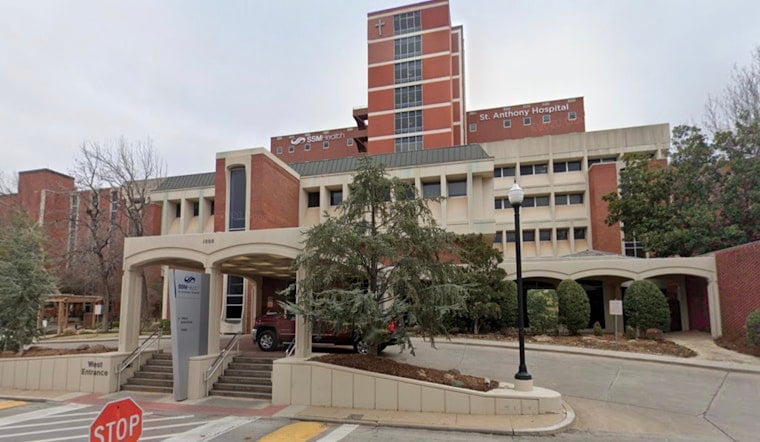
SSM Health St. Anthony Hospital in Oklahoma City has quietly become the busiest spot in Oklahoma for a new, minimally invasive way to repair complex thoracoabdominal aortic aneurysms. Instead of opening the chest and abdomen, surgeons thread a multi-branch endograft through small incisions to shore up a weakened aorta while still feeding blood to critical organs like the kidneys and intestines. Hospital leaders say the technique can cut down on wait times and help patients bounce back faster compared with traditional open surgery or waiting on custom-built grafts to arrive.
As reported by The Journal Record, St. Anthony’s vascular surgery team has performed more TAMBE procedures in Oklahoma than any other facility, and Bernardino Rocha, M.D., was the first vascular surgeon at St. Anthony to use the device. Rocha told the paper that “they can typically leave the hospital in three to four days,” underscoring how much shorter the usual hospital stay is compared with open repair. The Journal Record story was published July 1, 2026.
What Is TAMBE?
The GORE EXCLUDER Thoracoabdominal Branch Endoprosthesis, better known as TAMBE, is an off-the-shelf, multi-branch endovascular graft designed to treat thoracoabdominal aortic aneurysms, according to the FDA, and the manufacturer lists device specifications on its product page. Because it is commercially available and not custom fabricated, vascular teams get an alternative to patient-specific fenestrated or branched grafts that can take weeks to manufacture.
How The Procedure Works
During a TAMBE procedure, surgeons guide the device through small incisions in the groin and arm, then deploy it inside the aorta so that built-in branch portals keep blood flowing to the celiac, superior mesenteric and renal arteries while the aneurysm is sealed off. Case reports and technical notes in the Journal of Vascular Surgery Cases describe modified deployment techniques and show that TAMBE can be used in complex, post-dissection anatomy when patient vessels meet the device specifications.
Why It Matters For Oklahoma Patients
Before TAMBE was widely available, many people with thoracoabdominal aneurysms were staring down either open surgical repair or a long wait for custom grafts that could delay definitive treatment by weeks, the Journal Record reports. Having TAMBE on hand at St. Anthony reduces the need for transfers and gives local physicians a faster, less invasive option for some high-risk patients.
Screening And Who Should Pay Attention
National guidelines call for a one-time screening for abdominal aortic aneurysm in adults ages 65 to 75 who have ever smoked, with selective screening for other at-risk groups, according to the U.S. Preventive Services Task Force. Medicare and many private insurers cover a one-time ultrasound screening for eligible patients, as outlined on Medicare.gov.
Local Team And Next Steps
SSM Health lists Bernardino Rocha and Bryan Bennett on its Saints Heart vascular roster and affiliates them with St. Anthony’s surgical program. The hospital’s location page notes that St. Anthony serves as a tertiary referral center for heart and vascular care, and patients with risk factors are encouraged to discuss screening and possible referral with their primary care provider.
With TAMBE now available at St. Anthony, more Oklahomans with complex aortic disease can receive treatment closer to home using a less invasive approach and potentially see quicker recoveries. If you fall into the screening age range or have risk factors such as a history of smoking, high blood pressure or a family history of aneurysm, talk with your doctor about whether an ultrasound screening makes sense for you.





