

























































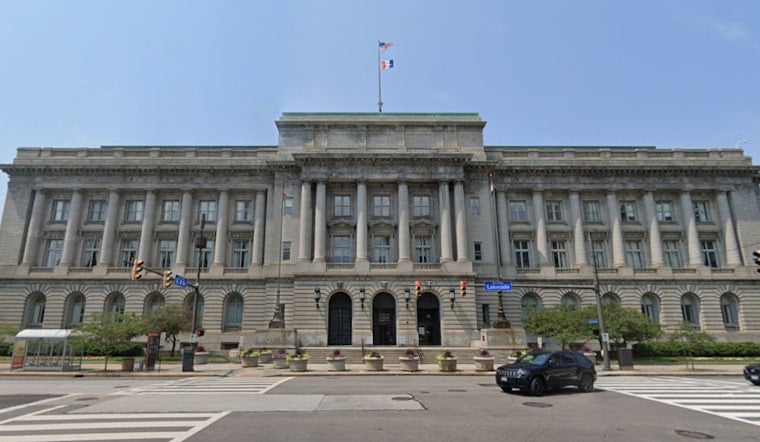
Ohio’s state auditor has called out Cleveland City Council over its grocery-store gift card program, flagging loose controls and messy paperwork in a management letter to the city. The letter zeroed in on distributions in Ward 1 and Ward 10 and warned that, without fixes, the city could be looking at misuse of funds or even demands to pay money back. Council President Blaine Griffin says council is tightening the program, and the findings are now shining an uncomfortable spotlight on how neighborhood aid is tracked and documented.
According to Signal Cleveland, the Auditor of State’s chief deputy, Tiffany L. Ridenbaugh, told city officials that Ward 1 handed out 83 grocery cards to people who do not live in Cleveland and had 879 compliance forms missing or incomplete. Ward 10, she found, issued five cards to nonresidents and had 687 forms that were unavailable or unfinished. Ridenbaugh warned that weak policies and procedures could open the door to noncompliance or misuse and recommended stricter rules, including keeping elected officials out of the actual distribution process and reimbursing nonprofits only for cards that were truly issued. Her memo also pressed for tighter cybersecurity practices and flagged shortcomings in documentation for rental assistance and Cleveland Public Power inventory.
“We weren’t surprised to see this in the Auditor’s report, and honestly, I’m relieved,” Council President Blaine Griffin wrote, saying the city’s Community Development Department manages nonprofit contracts and that council is “already working to solve every problem they identified.” Signal Cleveland also reported that neither Ward 1 Councilman Joe Jones nor former Ward 10 Councilman Anthony Hairston responded to requests for comment.
What auditors can do and why it matters
The Auditor of State often uses management letters during annual audits to quietly flag weaknesses before they rise to the level of full-blown findings. When problems are serious, the office can escalate to formal actions, including findings that may force repayment of public funds or trigger legal steps. The auditor’s website notes that management letters become public once the related audit is released, and state law allows “findings for recovery” when public money appears to have been illegally spent. Those enforcement tools are detailed in the Ohio Revised Code.
How the program is administered
Cleveland’s Department of Community Development sets the strategy for neighborhood programs and handles contracts with nonprofit partners. City officials say that is the channel they plan to use to tighten oversight of the gift card effort. City materials describe the department’s role in coordinating grants and partner relationships, and council says it will lean on that structure to enforce clearer compliance procedures. Documents from the City of Cleveland outline the department’s contracting and oversight duties.
For now, city leaders say they are drafting written guidance for councilmembers and updating contracts with nonprofit distributors, while auditors wait for a formal response to the management letter as the audit process continues. If the city does not shore up its controls, the legal pathways for recovering misspent money are very real, a pointed reminder that even small neighborhood-level programs have to follow all the rules that govern public dollars. The Auditor's office provides additional detail on how those steps work.



