

























































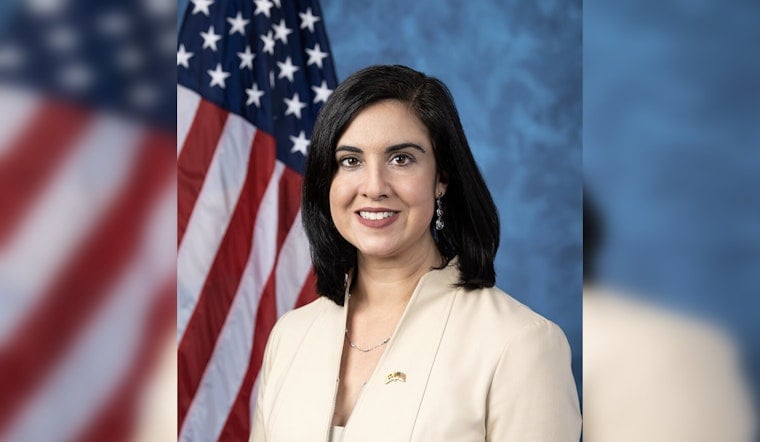
Two New York City Republicans are asking the U.S. Department of Justice to step in on behalf of hometown sports fans, arguing that pro teams are quietly moving games off free broadcast TV and tucking them behind streaming paywalls. Rep. Nicole Malliotakis and Staten Island City Councilmember Frank Morano are casting the issue as a local consumer fight, pointing out that residents already help bankroll stadiums with taxpayer money. Their move drops Staten Island straight into a growing national brawl over whether decades‑old broadcast protections still mean anything in the age of apps and subscriptions.
In a press release, the lawmakers urged the Justice Department to review whether exclusive streaming deals line up with the Sports Broadcasting Act of 1961, according to Malliotakis' office. The statement called out Yankees and Mets games that are placed “periodically” on Apple TV+ and flagged NFL packages now living on Amazon Prime Video, Netflix and Peacock. “Americans shouldn’t have to spend hundreds every season on streaming subscriptions just to watch their hometown teams,” Malliotakis said.
Local coverage reported that the pair followed up with a formal letter to the DOJ and framed the whole thing as a taxpayer issue for New Yorkers, according to the Brooklyn Eagle. The Eagle noted that the lawmakers publicly posted their letter and highlighted a clip of Malliotakis raising the concern at a recent Ways & Means Committee hearing.
Regulators and Congress Are Already Watching
Federal regulators are not exactly asleep at the wheel. The FCC’s Media Bureau has opened a public‑comment inquiry into how shuttling live sports to streaming platforms affects viewers and local broadcasters, according to the Federal Register’s notice. The Justice Department, for its part, has launched an antitrust investigation into the NFL’s distribution setup, ESPN reported, while the House Judiciary Committee has invited league officials to testify, as TheWrap noted.
What The Sports Broadcasting Act Covers
The Sports Broadcasting Act of 1961 gives leagues a narrow antitrust exemption so they can collectively sell “sponsored telecasting” rights on broadcast television, according to the statute’s text. Regulators and industry observers say that carve‑out was written for the old broadcast‑network era and does not clearly endorse putting local games entirely behind paid streaming paywalls, a reading reflected in materials from the Government Publishing Office.
How This Plays Out For New York Fans
On the ground, that legal fog has a very practical outcome: some high‑profile matchups, including Yankees‑Mets Subway Series games, have aired on Apple TV+ or other subscription services instead of a local over‑the‑air channel, The Sporting News reported. That kind of fragmentation can leave fans juggling multiple subscriptions or flocking to bars and other public spots to catch the game, a consequence highlighted in local coverage and in the lawmakers’ letter, according to the Brooklyn Eagle.
Legal Implications
If the Justice Department decides leagues or rights holders have stretched the Sports Broadcasting Act past its intended limits, it could pursue enforcement or prod Congress to tighten the law. Any such changes would almost certainly run into fierce industry resistance and drawn‑out legal fights. Trade coverage has suggested the coming months could mark a turning point in how courts and regulators apply a 1961 statute to the streaming era, according to TV Technology.
Malliotakis and Morano say they plan to keep pressing the DOJ for answers and to keep the issue front and center in Washington and back home on Staten Island, according to Malliotakis' office. For now, New York sports fans are left watching not just the games, but the unfolding fight over who gets to put them on screen.




