

























































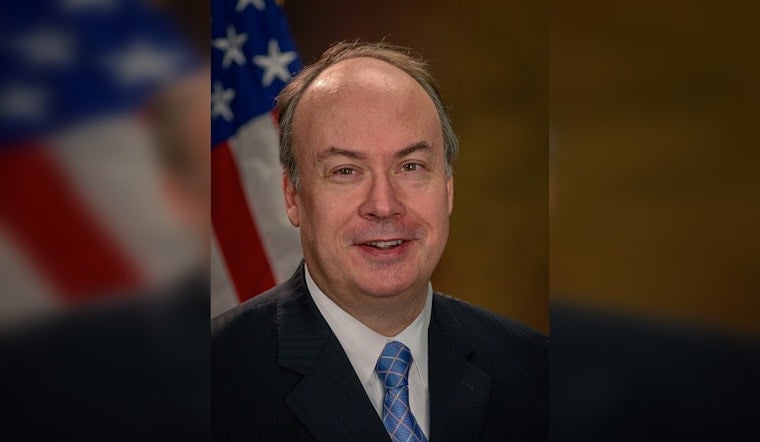
Twenty U.S. states jumped into the legal fray on Friday, filing a brief that backs Washington, D.C.’s authority to discipline Jeffrey Clark, the former Justice Department official tied to efforts to overturn the 2020 election. The multi‑state filing, which includes California and New York, asks a federal judge to toss a Justice Department lawsuit aimed at stopping D.C. disciplinary officials from pursuing sanctions. At stake is a high‑stakes turf fight over whether local regulators can police federal attorneys for internal, unsent advice or whether the executive branch’s own processes should prevail.
What the states told the court
As reported by Reuters, the 20‑state brief tells U.S. District Judge Richard Leon that the Justice Department’s internal watchdog systems are no substitute for independent state and local discipline. The states urge Leon to dismiss the administration’s complaint and warn that a win for the Justice Department could let current and former DOJ lawyers claim broad immunity from state bar oversight.
DOJ's federal lawsuit and its claim
According to a complaint filed by the U.S. Department of Justice, the suit, filed in May, argues that disciplining Clark for drafting a deliberative, unsent letter would intrude on executive branch deliberations and chill candid legal advice. The Justice Department has framed the dispute as a Supremacy Clause question, a point the Washington Post summarized when it reported on the filing.
How Clark reached this point
The D.C. Board on Professional Responsibility recommended in July 2025 that Clark be disbarred after finding he drafted a letter urging Georgia’s legislature to examine the 2020 results despite DOJ leadership concluding the claims were unfounded, according to the board report from the D.C. Bar. Clark denies any wrongdoing and has appealed. His case is now pending before the D.C. Court of Appeals, which has final authority over attorney discipline, as reported by Reuters.
Who’s weighing in
Former high‑ranking Justice Department lawyers, including Elizabeth Prelogar and Benjamin Mizer, have filed briefs defending the disciplinary bodies and urging the court to dismiss the administration’s lawsuit, according to Bloomberg Law. Advocacy groups and state attorneys general on both sides have also submitted amicus briefs, adding political heft to what is shaping up to be a precedent‑setting fight, the Washington Post reported.
Why the outcome matters
The Justice Department’s complaint warns that a ruling allowing disciplinary proceedings to go forward would interfere with presidential prerogatives and the executive branch’s ability to receive candid legal advice, an argument it lays out in the filing from the U.S. Department of Justice. A decision upholding the disciplinary process, by contrast, would preserve longstanding local oversight of lawyer conduct and could limit the reach of executive‑branch immunities.
What comes next
Judge Richard Leon will weigh motions from both sides, including dismissal requests from the defendants, and could either block the D.C. proceedings or allow them to continue while the district court tackles the constitutional questions. Whatever the district court does, the D.C. Court of Appeals retains the final say on Clark’s law license, and the ripple effects could reshape how states and the federal government police attorneys nationwide.





