

























































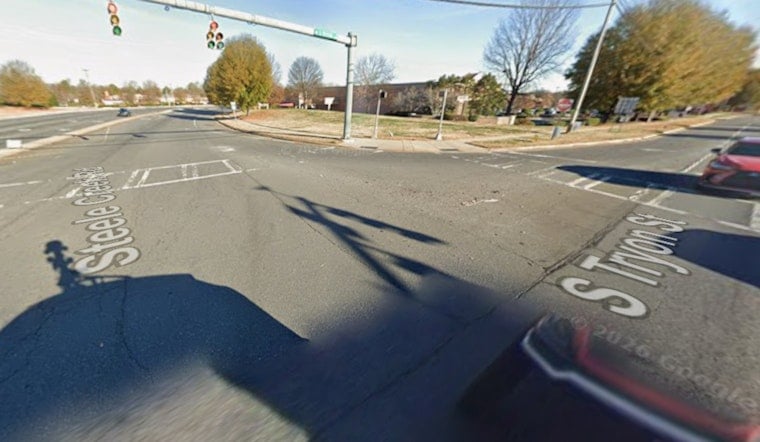
In Steele Creek, a brand-new roundabout at South Tryon Street and Steele Creek Road is getting a reputation residents never asked for. Neighbors say the circle has become a crash magnet, with cars slamming into the center island, ripping out signs and, in one recent case, smashing brick columns in a backyard. Parents say they no longer let kids ride bikes near the intersection because drivers fly into the approaches at high speeds. Some residents estimate the number of collisions there could be in the dozens, or even creeping toward 100.
Residents, City And Developer At Odds
In response to the growing frustration, crews have already added lights and multiple warning signs on the approaches, and the city has contacted both the development team and the utility company about additional fixes, according to Queen City News. That reporting identifies Kennedy Wilson and Summit Contracting as developers tied to the project and notes they did not answer requests for comment. Neighbors told reporters the physical damage, including repeatedly mangled signs, torn-up landscaping and busted yard columns, has been happening since shortly after the roundabout was finished.
Driver Recounts Crash That Damaged A Yard
One driver involved in a recent wreck told reporters he "didn't see it was a roundabout and couldn't turn quick enough," according to what neighbors heard after emergency crews cleared the scene. The Wednesday night crash knocked out the brick columns at the edge of homeowner Sally Pinckney's yard and left her and nearby residents on edge. Locals say seeing vehicles barrel straight through the center island is now a familiar sight, especially after dark. The driver's account and neighbors' estimates of crash frequency were documented by Queen City News.
What Transportation Research Says
Transportation agencies generally tout roundabouts as safer than traditional intersections, with fewer and less severe crashes when they are built to match traffic speeds and patterns and are clearly marked. The Federal Highway Administration has reported that properly designed roundabouts reduce fatal and serious-injury crashes at locations where they are installed, according to the FHWA. North Carolina guidance adds that clear pavement markings, advance warning signs and adequate lighting help drivers understand what they are approaching, per NCDOT. That blend of design and driver behavior becomes especially important when vehicles are coming in at more than 50 miles per hour, which neighbors say is common on the South Tryon approaches.
Developer-Built Infrastructure And The City's Role
City planning documents show that intersection upgrades, including roundabouts, are often constructed as part of private developments or through public-private partnerships, with rezoning conditions and site plans spelling out which party builds and maintains the improvements, according to the City of Charlotte. Those shared responsibilities can slow down changes when neighbors are demanding quick fixes, since designers, private builders and utilities may all have a say. Residents argue that the ongoing damage at South Tryon points to the need for a more substantial redesign of the island and approaches instead of relying only on extra signs and interim warnings.
What Residents Want And What Comes Next
Neighbors say they plan to keep pressing the city and the development team for a long-term solution. Traffic engineers, in similar situations elsewhere, often look at reshaping splitter islands, beefing up central island barriers, improving lighting and pairing those changes with targeted speed enforcement. For now, the roundabout remains open, and residents say they will keep a close eye on traffic as they wait for a scheduled fix. Engineers note that retrofits and clearer approach control are common next steps when a roundabout is not performing well for local conditions.





