

























































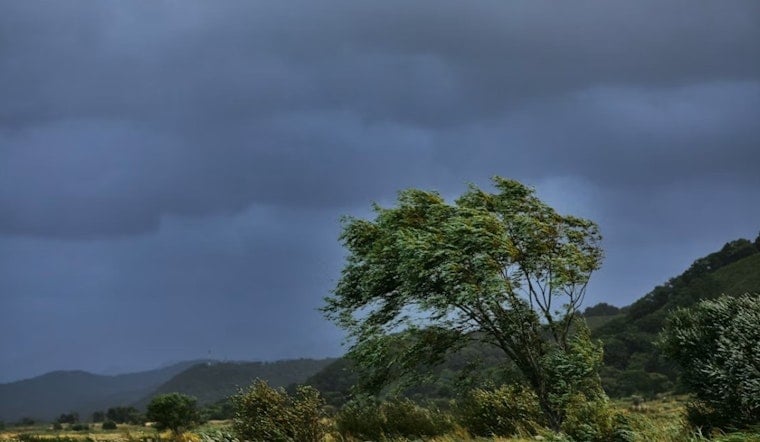
Tropical Storm Bavi was cranking up over the western Pacific on Friday, and forecasters warned it could rapidly intensify into a super typhoon before skirting past Guam and the U.S. Commonwealth of the Northern Mariana Islands this weekend. The threat has islanders on edge, with many residents still living in temporary shelters or under patched-together roofs after Super Typhoon Sinlaku in April. Local leaders and relief groups moved quickly to open shelters and stage supplies ahead of Bavi's expected approach.
Forecast and timing
As of Friday morning, the National Weather Service in Tiyan reported that Bavi was about 760 miles east of Guam with maximum sustained winds near 80 mph. Forecast models indicate the storm could rapidly intensify as it tracks west-northwest toward the Marianas and could arrive in the area late Sunday through Monday. The NWS is warning of heavy rainfall, seas building to 25 to 35 feet and localized rainfall totals that could reach 15 inches. For the full outlook, see the latest discussion from the National Weather Service.
Damage, recovery and local fears
Communities across Saipan and Tinian remain especially vulnerable since many homes were destroyed by Super Typhoon Sinlaku in April, and power is still out in some neighborhoods. Some residents are still in tents months later. "We are getting ready to do this all over again," said former Saipan lawmaker Edwin Propst, as residents boarded windows and lined up for gasoline. As reported by The Associated Press, a cargo ship overturned during Sinlaku and six crewmembers were lost, a tragedy that still weighs heavily on the islands as another major storm looms.
Shelters, relief and utility work
Officials in the Northern Marianas announced that shelters on Saipan, Tinian and Rota would open Friday afternoon and urged anyone living in weak or damaged structures to move into sturdier buildings, as reported by Marianas Press. The American Red Cross said it is deploying teams and relief supplies to help residents shore up preparations and to support what could be another lengthy recovery, according to the Red Cross. Utility agencies have mobilized repair crews and pre-staged poles, lines and other materials so they can respond more quickly if infrastructure is damaged.
Why forecasters are watching closely
Meteorologists point to a strengthening El Niño pattern, which brings higher sea surface temperatures and shifting wind patterns that can favor stronger storms in the western Pacific and increase the odds of rapid intensification. That broader climate backdrop is a big reason forecasters remain concerned that Bavi could ramp up quickly over open water before it nears the islands. For a deeper look at the El Niño outlook, see Fortune, which cites analysis from the U.S. Climate Prediction Center.
What to do now
Officials are urging residents not to wait for formal tropical cyclone watches or warnings to get ready. That means securing loose outdoor items, charging phones and power banks, gathering seven to ten days of food and water, and identifying the nearest shelter. Authorities noted there were no tropical cyclone watches or warnings for Guam as of the latest advisories, but they stressed that the track and intensity forecast could tighten and change quickly, so anyone in low-lying areas or in damaged homes should make evacuation plans now, per Marianas Press. Residents are urged to stay tuned to updates from the National Weather Service and local emergency management offices for any changes to Bavi's forecast.



