

























































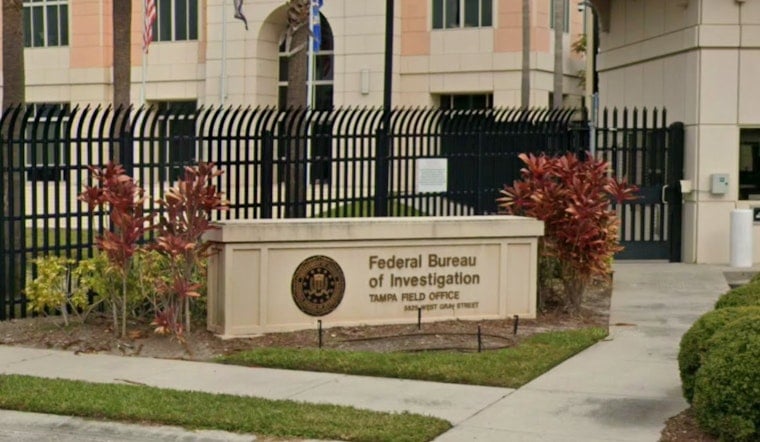
Scammers are taking a second swing at people who have already been ripped off, and this time they are bringing AI with them. On Monday, the FBI’s Tampa field office warned that criminals are posing as FBI or Internet Crime Complaint Center (IC3) staff and reaching out to people who previously reported online fraud. The impostors are using AI-generated videos and voice clips, cloned websites, and bogus fund-recovery services to squeeze more money and personal data from victims who are already trying to get their losses back.
In a post on X, the FBI Tampa account said crooks are pulling details from IC3 complaint records and poking around victim support groups to find new targets. From there, they funnel people toward slick-looking but fake recovery pages and payment channels. Anyone who gets one of these contacts should report it through the official IC3 complaint portal, according to FBI Tampa.
Federal cyber alerts say these fraudsters are leaning hard on generative AI tools to make their lies sound legitimate, with cloned voices, polished video clips, and tailored messages. They often try to move the conversation into encrypted apps, where it is tougher for investigators to trace them. Those tricks help scammers build trust quickly before they ask for things like authentication codes, bank account details, or wire transfers, as outlined by the FBI.
The FBI’s Internet Crime Complaint Center has stressed that it never charges victims for help and does not partner with private fund-recovery outfits. Any unsolicited outreach that claims to be IC3 or offers paid recovery services should be treated as a flashing warning sign, according to IC3.
Cybersecurity researchers have already spotted live examples of websites designed to look like IC3, complete with official-sounding language and convincing graphics. They warn that search results and sponsored ads can lead straight to these fakes. As Malwarebytes notes, people who are desperate to recover stolen funds are exactly the kind of users scammers hope will click through to bogus recovery portals and phishing forms.
IC3’s numbers show why these victims are such attractive targets. Reported losses jumped from about $4.2 billion in 2020 to $16.6 billion in 2024, with roughly $50.5 billion in total losses recorded for 2020 to 2024. That five-year climb underscores how much money is in play and why follow-up schemes are so common, according to the IC3 annual report.
What to do if you’ve been targeted
If someone contacts you claiming to be from IC3, cut off communication and do not send money, gift cards, or cryptocurrency. Contact your bank or financial institution right away, save any emails, call logs, or screenshots, and file a report so investigators can connect related cases. The FBI advises reporting suspected impersonation and fraud to IC3 and to your local FBI field office.
Tampa’s alert is the latest in a series of field-office warnings urging people to stay sharp as criminals use new tech to look more official than ever. If you think you have been targeted, document everything, notify your financial institution, and report it so investigators have a better chance of following the money trail.





