

























































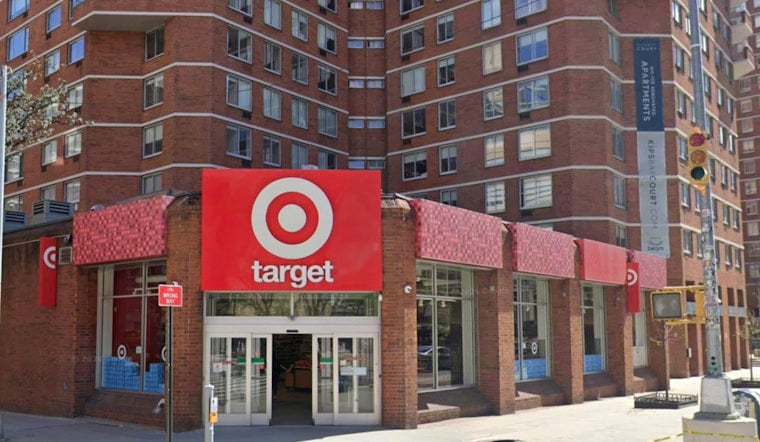
Big-box chains are quietly rewriting the urban playbook. Instead of plunking down on sprawling suburban lots, they are cutting deals to sit at the base of housing megaprojects, tucked right into the city grid. What looks like a simple lease is turning into a key piece of how developers pay for new apartments and how neighborhoods land long-promised services.
One of the splashiest examples opened in 2024 on 125th Street in Harlem, where a new mixed-use building slots a Target and other shops at street level beneath roughly 171 affordable housing units, including 51 supportive apartments reserved for young people aging out of foster care. The building’s podium also makes room for a Trader Joe’s and community office space, billed as part of an “Urban Empowerment” concept that pairs retail with services for vulnerable residents, according to 6sqft.
Costco In South L.A. Is The Biggest Bet Yet
In South Los Angeles, developer Thrive Living is pushing the model to a much larger scale. On a five-acre site at Coliseum and La Brea, the firm has advanced plans for a full Costco at street level with roughly 800 apartments stacked above it, with about 184 of those units reserved for low-income households, according to a developer press release from Thrive Living. The company has dubbed the project 5035 Coliseum and describes it as privately financed and moving forward under California’s AB 2011, while city leaders at the groundbreaking pointed to jobs and new neighborhood services as selling points. Local outlet community reaction at the ceremony captured both excitement and skepticism on the ground.
On paper, the basic trade is straightforward. Developers shoulder the construction and entitlement risk, then use a long-term lease with a national retailer to make lenders more comfortable with the housing above, while the retailer gains access to dense, built-in foot traffic that suburban warehouses cannot match. “The developer gets a well-known store brand that serves as a great perk to attract residents, while the retailer gains access to a busy new neighborhood,” a developer told The New York Times, summing up the appeal for both sides.
Policy, Profit And Pushback
Policy shifts are helping grease the wheels. Projects like 5035 Coliseum have cited AB 2011 as a faster way through the approvals maze, and developers say private financing paired with steady retail rent rolls can sometimes stand in for traditional public subsidies. Industry reporting notes that these capital stacks are anything but simple, relying on private financing, retailer leases and other revenue streams instead of Low-Income Housing Tax Credits, a setup that supporters argue speeds delivery while critics warn it concentrates profit and risk in private hands, according to Real Estate Daily News.
At the Los Angeles groundbreaking, officials praised the blend of housing and big-box services, pitching the plan as a potential game-changer for Baldwin Village. Housing advocates, though, are already flagging concerns about displacement and upward pressure on rents. Commentators have framed the Costco project as an early test of whether supersized retail anchors can expand housing access without speeding the very neighborhood change many residents fear, according to opinion pieces in The Washington Post.
The next set of questions is more practical than flashy: whether these deals truly cut the time and cost of delivering homes, whether big-box retailers prove to be durable tenants in denser city settings, and whether local governments can channel benefits to longtime residents once the ribbon cuttings are over. The pattern emerging in recent coverage suggests this is less a passing fad than a new tool in the urban-development toolkit, one likely to reshape how retail, housing and neighborhoods fit together in the years ahead, according to The New York Times.


