

























































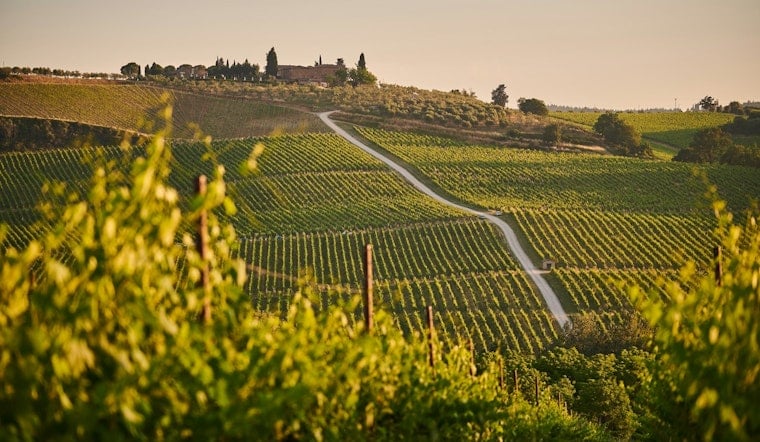
Texas Hill Country wine country has taken a beating from floods, freezes and washed-out roads this year, but the region’s wineries are still expanding. The latest picture is less about perfect growing conditions than an industry learning how to keep pouring when the weather refuses to cooperate.
The mid-July flooding was no minor inconvenience: The Pedernales River rose more than 22 feet in three hours and reached its highest level near Fredericksburg since 1979. Several tasting rooms reopened within days, though the damage included destroyed property, debris and temporary road closures, according to San Antonio Express-News.
New Wineries Are Still Joining The Hill Country Crowd
Despite the weather whiplash, Texas Hill Country Wineries has grown to 69 member wineries, up from 24 when association director January Wiese joined 17 years ago. The group represents well over half of the region’s 120-plus wineries and recently added Peters Prairie Vineyard, French Connection and Rebecca Caroline, according to San Antonio Express-News reporting.
The production side is adapting, too. William Chris Vineyards in Hye processes fruit from more than 30 vineyards and typically destems and presses roughly 1,000 tons during harvest, but this year’s crop is being shaped by the March 16 freeze and the resulting shortage of some white grape varieties.
A Freeze Cut Into The 2026 Harvest Before Floodwater Arrived
A July outlook from Texas Fine Wine said temperatures plunged into the 20s during the late-spring freeze, killing primary buds and forcing many vineyards to rely on weaker secondary growth. Some producers expect very small Hill Country harvests, while others are leaning more heavily on grapes sourced from the Texas High Plains and West Texas.
Fredericksburg’s Tourism Economy Runs On More Than Grapes
Fredericksburg’s visitor economy gives the wine industry plenty of room to keep growing: The Fredericksburg Convention & Visitors Bureau says 2024 tourism generated $175 million in visitor spending, supported 1,200 local jobs and produced $17 million in tax revenue. The 105-room Albert Hotel, which opened in 2025, is another sign that the town is building more capacity for people who come to taste, eat and stay awhile, according to its operator New Waterloo.
The broader Texas wine economy is substantial enough that a bad vintage does not erase the business around it. The Texas Wine & Grape Growers Association, citing WineAmerica’s 2025 economic impact study, says the state industry contributes $24.39 billion, supports 136,700 jobs and draws 2.64 million winery tourists.
That helps explain why the Hill Country’s response to extreme weather has been expansion rather than retreat. Growers are shifting grape sources, wineries are reopening quickly and Fredericksburg keeps adding hospitality infrastructure — a resilience strategy that may be less romantic than a flawless harvest, but is probably more useful in Texas.





