

























































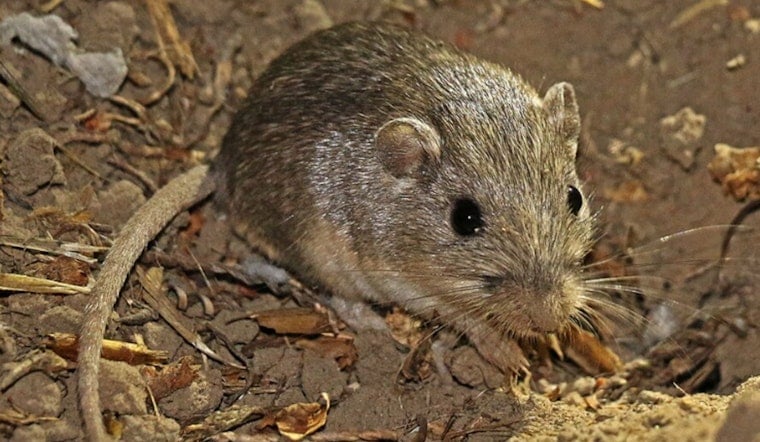
The tiny and endangered Pacific pocket mouse just scored a big win in court, and hikers on the Dana Point Headlands are taking the hit. On June 25, 2026, Orange County Superior Court ordered emergency limits on public access to the bluff-top trail, immediately cutting back the days and hours people can use the ridge route in an effort to protect the fragile species.
The ruling follows months of tense back-and-forth among the Center for Natural Lands Management, the California Coastal Commission and the City of Dana Point over how to juggle public coastal access with the federal push to recover the mouse.
According to the Center for Natural Lands Management, the preserve it manages will now open only four days a week: Tuesday, Thursday, Saturday and Sunday. Summer hours are 8 a.m. to 6 p.m., and winter hours are 8 a.m. to 4 p.m. CNLM states that these interim hours are effective from June 25 through Sept. 7, 2026, and will stay in place until a coastal development permit is approved. As outlined by Center for Natural Lands Management, the Coastal Commission ordered interim hours, and the Orange County Superior Court’s June 25 ruling requires that they be carried out.
Why Regulators Acted
CNLM and staff at the Coastal Commission say the Pacific pocket mouse is acutely sensitive to human-caused noise, vibration and off-trail wandering, and that heavy visitation on the Headlands has likely put added stress on the already small Dana Point population. The Commission’s staff report describes the Consent Agreement as an emergency step intended to reduce disturbance while longer-term permitting and planning move forward. As outlined by the California Coastal Commission, the interim rules are designed to limit public exposure in the habitat while regulatory review continues.
What the Data Shows
Monitoring cited in the filings shows that the preserve’s pocket-mouse population peaked in 2021, then began sliding in 2022. The reports point to particularly sharp drops in 2024 and 2025. CNLM’s monitoring estimated an almost 40 percent decline from the 2021 high. Those downward trends became a central justification for both the Consent Agreement and the court’s interim order, as reported by Orange County Register.
Captive Breeding and Habitat Work
The emergency rules do more than trim trail hours. They also require CNLM to keep up habitat-mitigation work that creates sandier, more open ground that the mouse prefers, and to continue other stewardship actions spelled out in the consent documents. Meanwhile, the San Diego Zoo’s conservation-breeding effort remains a key backstop for the species. As detailed by San Diego Zoo Wildlife Alliance, captive breeding and careful genetic management are still cornerstones of Pacific pocket-mouse recovery plans.
Legal Fight Continues
The June ruling does not settle the broader political and legal fight. Dana Point Mayor John Gabbard told reporters that “one option is closing the trail entirely during the mice breeding season,” a possibility that would further ratchet up tensions with trail users. The city has also challenged parts of the process that produced the Consent Agreement, including whether CNLM improperly sidestepped the coastal-permit requirements. Those comments and the legal status of the consent deal were reported by Orange County Register, and the City of Dana Point states on its official site that it has posted a community alert about the Headlands situation.
What Visitors Should Know
The bluff-top Nature Trail is a roughly two-mile ridge route linking Strand Beach and Dana Point Harbor. Since 2022, it had been open daily from sunrise to sunset, making it a go-to coastal walk. Under the interim schedule, visitors now face limited public days and tighter hours, so last-minute sunset strolls might be out for a while.
CNLM notes that the new hours are temporary and will be enforced while its coastal development permit application runs the regulatory gauntlet. Hikers are urged to check for updates before heading out. For maps, rules and the latest visitor notices, see Center for Natural Lands Management and the route guide on TrailLink.





.jpg)