

























































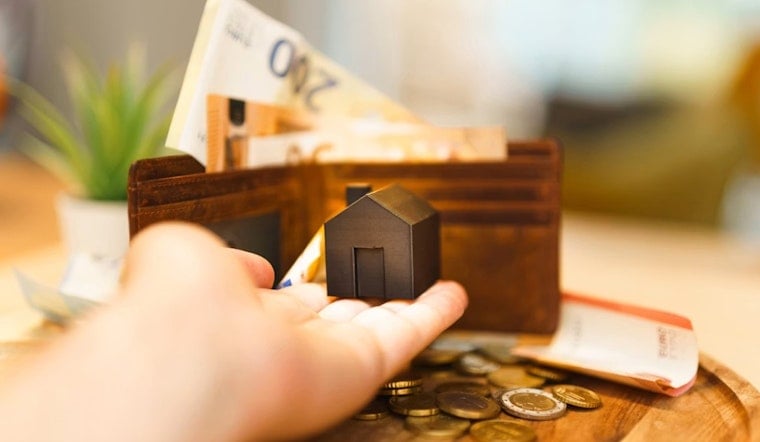
Westlake, a small but very wealthy corner of North Texas, now sits at the top of a statewide list of the most expensive home markets in Texas, with the typical property valued at just over $3.1 million. The new ranking puts a spotlight on ritzy suburbs around Dallas-Fort Worth and exclusive pockets outside Austin, underscoring how far the high end of Texas real estate has pulled away from the typical U.S. home at a time when mortgage costs remain stubbornly high.
Westlake Leads The Pack
According to Stacker, Westlake ranked No. 1 with a typical home value of about $3.15 million. Trailing it are Highland Park, Westover Hills, University Park, and Rollingwood, all long associated with luxury listings and legacy money.
Stacker built its list using Zillow's Home Values Index data from May to compare typical home values across Texas cities. Local outlets, including KVIA, highlighted the ranking this week, giving the pricey pockets an extra moment in the spotlight.
ZHVI: The Data Behind The Ranking
Zillow's Home Values Index, or ZHVI, is a smoothed measure of what the company calls a market's “typical” home value. In its May market report, Zillow put the typical U.S. home at $368,720, a far cry from Westlake's multimillion-dollar norm.
Zillow explains that ZHVI blends actual sale prices and its Zestimate valuations across different housing types. The idea is to create a consistent gauge that can be compared month to month and across markets, which is what allows Stacker to spin a statewide ranking out of the May 2026 snapshot.
Rates Make Expensive Homes Harder To Reach
The 30-year fixed-rate mortgage averaged 6.52% for the week ending June 11, according to Freddie Mac. That kind of rate keeps borrowing costs well above the rock-bottom levels buyers grew used to earlier in the decade.
On a $3.15 million Westlake home with 20% down and a 30-year term at that average rate, principal and interest alone would run roughly $16,000 a month, before taxes and insurance even enter the chat. For many would-be buyers, that math effectively walls off Texas's trophy suburbs without substantial cash reserves or unusually high income.
Why DFW And Austin Dominate
The ranking is heavily tilted toward North and Central Texas. Dallas-Fort Worth accounts for 12 of the top 30 cities in the state, while the Austin area claims eight. San Antonio contributes six, and Houston lands just one, according to Stacker.
That pattern reflects decades of wealth clustering in small, carefully zoned suburbs and the outsized impact a few eye-watering transactions can have on local price measures. A recent Hoodline report on a private-trust purchase of a Highland Park mansion in a mega-million mansion deal showed how a single high-end sale can help reinforce a neighborhood's lofty price points.
What Buyers Should Know
For most Texans, these top-tier numbers are more curiosity than practical concern. The broader metro markets around these elite enclaves tend to have more moderate prices, and in some areas, slightly more inventory and longer days on market.
Local trackers such as Realtor.com show Austin's market as still active but feeling some cooling at the edges. Many buyers are responding the old-fashioned way: by tweaking search areas, adjusting must-have lists, or recalibrating what “dream home” really means in a $3 million world.





