

























































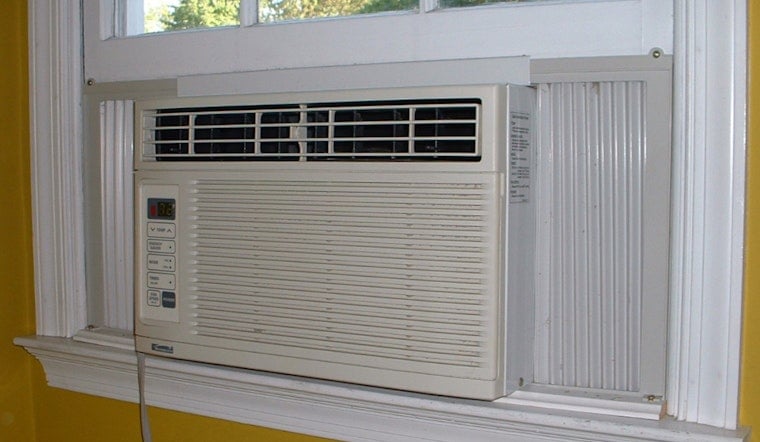
When the air conditioning dies in a New Orleans rental, it is not just one sweaty, sleepless night. In a stretch of dangerous summer heat, tenants have a city-backed way to report bedrooms that become unsafe, along with legal protections if a landlord tries to push back after a valid complaint.
The National Weather Service has New Orleans under an Extreme Heat Watch for Tuesday, with heat-index values expected to hit 105 degrees. That timing is putting fresh attention on the city’s Healthy Homes program, which lays out specific standards for heating, cooling and basic upkeep in rental units.
As reported by WWL Louisiana, the New Orleans City Council approved the Healthy Homes ordinance in 2022, and the program took effect Jan. 1, 2024. Since then, officials told the station, more than 56,000 rental units have been registered with the city.
What Healthy Homes Requires From Landlords
The rules set a clear standard for indoor temperatures. According to the City of New Orleans, rental units must have heating systems that can keep habitable rooms, bathrooms and toilet rooms at least 68 degrees. Cooling systems must be able to keep every bedroom at or below 80 degrees. Inspectors measure the temperature three feet above the floor and two feet from exterior walls.
The ordinance is not limited to air conditioning. Minimum standards also cover working smoke and fire alarms, hot and cold running water, safe electrical systems, mold, significant structural deterioration and visible rodent infestations.
Renters who believe their unit is out of compliance can call 311 or file a complaint through the city’s online portal. A Healthy Homes inspector in the Department of Code Enforcement is then assigned to review the conditions, and the city's renter guidance says owners must arrange professional repairs when an inspection finds non-trivial violations.
Complaints Are Protected, With Important Exceptions
The ordinance bars landlords from retaliating against tenants who report violations, request repairs, notify regulators or take part in related proceedings. The Healthy Homes rights guide notes that retaliation can include an illegal eviction, reduced services, higher rent or fees, a threatened possession lawsuit or a refusal to renew a lease.
Those protections have limits. The city says they do not cover nonpayment of rent, intentional property damage or verbal or physical threats. WWL Louisiana also reported that landlords may face fines of up to $1,000 per violation if inspectors find that a property is not in compliance.
For tenants sweating through a busted cooling system, the practical first move is to alert the landlord or property manager, document the temperature and condition of the unit, and keep copies of all repair requests. If nothing gets fixed, New Orleans’ Healthy Homes process gives renters a formal path to seek an inspection instead of treating extreme indoor heat as just part of the lease.





