

























































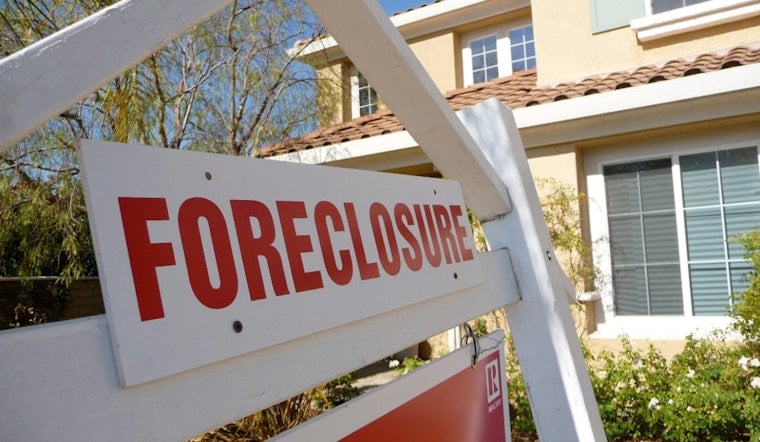
Foreclosure filings are climbing across the country this year even though layoffs and jobless claims are still unusually low. In the Triangle, local agents say the market looks steadier than the national picture, though a handful of ZIP code clusters in eastern and southeastern North Carolina still logged thousands of filings between 2020 and 2025.
National Filings Jump 21 Percent
The latest mid-year report counted 227,548 U.S. properties with foreclosure filings in the first six months of 2026, about a 21 percent increase from a year earlier, according to ATTOM. A review by ABC News using the same dataset also found filings climbed sharply between 2020 and 2025, and ATTOM highlighted a group of states, including North Carolina, with particularly large year-over-year increases.
Where the Triangle Fits
Local reporting by WTVD's ABC11 shows ZIP prefixes beginning with 275 had more than 5,400 foreclosures from 2020-2025 and those beginning with 283 had more than 7,000 in the same period, with higher shares of affected homeowners identifying as ethnic minorities, according to ABC11. Realtor Erica Sizemore told ABC11 the Triangle still benefits from stronger employment and home-equity cushions: “We have a lot more housing equity, we're still strong in employment, we still have positive population growth,” she said. Sizemore added that overall levels in the region remain relatively low, at roughly 200 foreclosures a year on average.
Layoffs Stay Low But Other Pressures Build
The uptick in filings is unfolding even as weekly jobless claims stay muted. The U.S. Department of Labor reported that initial claims fell to about 187,000 for the week ending July 18, keeping layoffs near historically low levels, according to the U.S. Department of Labor. Analysts point to rising mortgage carrying costs, insurance premiums and property taxes, along with the winding down of pandemic-era protections, as the main stressors, and ABC News found that foreclosures in majority non-White ZIP codes occurred at nearly three times the national average. That pattern suggests the increase is uneven and concentrated in places where older loan structures, higher local supply or other local factors amplify distress.
Where To Get Help
North Carolina homeowners facing trouble can turn to state resources and HUD-approved housing counselors. The North Carolina Housing Finance Agency maintains a guide to mortgage assistance and foreclosure prevention on its homeowner pages (NCHFA), and the state courts publish county-level foreclosure filings and data online (North Carolina Judicial Branch). NCHFA and local legal-aid partners point to the State Home Foreclosure Prevention Project and HUD-approved counselors as immediate next steps, and experts say early contact with a counselor or servicer can often open options like repayment plans or loan modifications.
Triangle agents say strong local employment and home-equity buffers should blunt the worst of the national trend for now, but public-records watchers caution that filings can still translate into repossessions months later. The situation is still evolving, and we will keep tracking local court dockets, state resources and national data as they update.





