

























































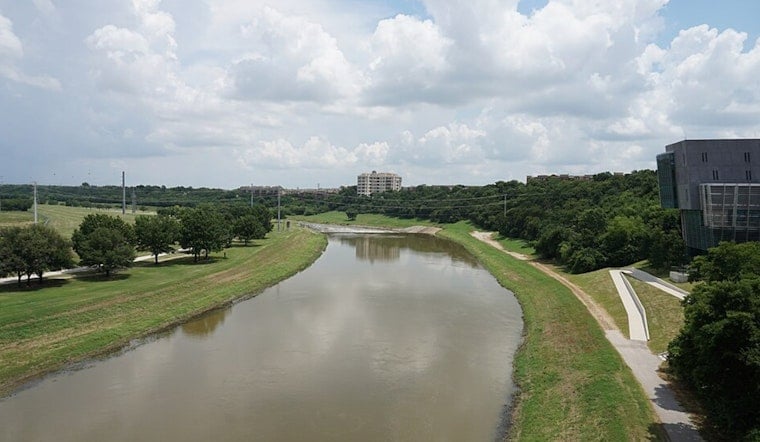
From early-morning runners to weekend kayakers, the Trinity River and its trails have quietly turned into Fort Worth’s shared backyard, a green-and-blue corridor that links parks, launches and pocket plazas across the city. Now that everyday river life is colliding with a massive flood-control plan, Fort Worth is staring down one of its biggest waterfront shakeups in decades.
As reported by the Fort Worth Report, volunteers and nonprofits have been the quiet engine behind much of that transformation. The trail network has stretched past 100 miles, the river has earned a national designation as a 130-mile paddling trail, and long-running efforts such as Trash Bash, launched in 1991, have hauled out hundreds of tons of debris. The same reporting points to classroom labs, spring paddle festivals and community science efforts that have effectively turned the river into a hands-on outdoor classroom. All that local stewardship, from tree plantings to new launches, is now intersecting with a wave of big engineering work.
Streams & Valleys, the nonprofit behind many of the city’s trail and riverfront projects, opened a new plaza at Trinity Park this summer, complete with pollinator gardens, a wildflower meadow and expanded trail access near the Phyllis Tilley Memorial Pedestrian Bridge. According to Streams & Valleys, the plaza broke ground in November 2025 and is meant to serve as a community hub for events, outdoor lessons and everyday riverfront activity. It is one piece of a larger confluence master plan that lists dozens of smaller projects intended to knit the river into more neighborhoods.
Panther Island And The Big Reroute
The most dramatic piece of infrastructure in the pipeline is the Panther Island / Central City Flood Control Project, a joint federal-local effort that will carve new bypass channels and rework downtown river alignments to reduce flood risk. City documents show the U.S. Army Corps of Engineers has committed federal support for the Central City work, according to the City of Fort Worth. Recent reporting puts the broader initiative at about $1.6 billion and notes that construction on key flood-control elements is slated to begin later in 2026, per Fort Worth Report. The redesign is set to replace sections of the older levee system and unlock acres of industrial riverfront for new parks, bridges and development.
Neighborhoods, Development And Equity
Planners and community leaders are quick to warn that large-scale infrastructure can also bring real-estate pressure and displacement if equity tools and clear governance do not come along for the ride. Coverage of recent planning panels, summarized by KERA News, highlights local stakeholders who are pressing for staged development, defined stewardship responsibilities and consistent public programming so nearby neighborhoods actually see the benefits. Advocates argue that affordable-housing strategies and strong public-space commitments will be essential if Panther Island is going to work for more than just downtown investors.
River Life Will Not Pause For Construction
On the water, small operators and nonprofits are already keeping the river busy with classes, rentals and field labs. The Trinity Coalition and its partners run TC Paddlesports at Panther Island, an outfitter and community program that offers kayak and stand-up paddleboard rentals and teams up with local groups for lessons and events, according to Adventures Unlimited Paddling. That steady schedule of programming, paired with volunteer cleanups and classroom paddles, suggests the Trinity will remain a daily recreation corridor even as heavy machinery moves into parts of downtown.
“Trinity Park holds a special place in Fort Worth’s story,” Lauren Deen, executive director of Streams & Valleys, said on the group’s site, a reminder that public-private projects and small-scale stewardship will have to be balanced against the massive engineering on the horizon. The next few years will show whether Fort Worth can successfully combine major flood-control earthwork with the smaller, everyday investments that have turned the Trinity into an accessible resource for so many residents.





.jpg)