

























































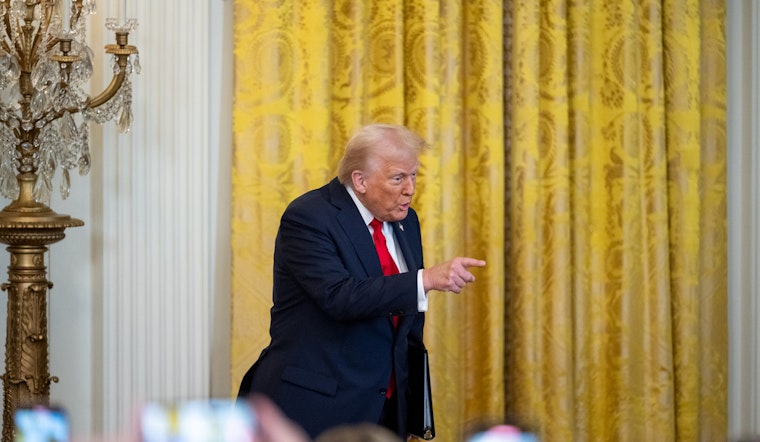
President Donald Trump has set a ticking clock on cheap medicines, announcing on July 21 that imported generic drugs will be tariff-free through August 1, 2026, then hit with a 100% duty beginning in August 2028 and a 200% duty the following year. He cast the stepwise schedule as a way to "reshore" production to the United States, describing the later spikes as a financial penalty for companies that do not build plants on U.S. soil. The plan, unveiled in a post on his social platform, immediately stirred anxiety among drugmakers, health experts and trading partners over prices and supply chains.
What the president announced
As reported by CNBC, Trump said generic medicines imported into the U.S. will carry a zero tariff for two years starting August 1, 2026, then jump to a 100% tariff for one year beginning August 1, 2028, and 200% after that. Pre-existing levies on patented and branded drugs would remain unchanged under the plan. The social media announcement served as a blunt public shove for suppliers the administration argues must bring manufacturing back to American facilities.
How this fits with existing policy
The White House already used a Section 232 proclamation on April 2 to slap steep duties on many patented pharmaceuticals while carving out an explicit exemption for generic medicines, according to the presidential proclamation. That April move included company-specific carveouts and negotiated pricing arrangements that could keep certain products shielded from tariffs. Tuesday’s online message signals that the administration may want to widen the net over time, although any formal change would still have to move through legal procedures and detailed implementing notices.
Why India and generic makers matter
U.S. drug supply chains are deeply global. Data and mapping from United States Pharmacopeia show that India accounts for a very large share of active pharmaceutical ingredient filings and finished generic production serving the American market. That footprint is a big reason analysts say a sudden tariff shock on generics could echo through pharmacies and hospital purchasing. India is also one of the United States’ biggest pharmaceutical export partners, which makes this a two-way economic exposure rather than a one-sided squeeze. Policymakers, major buyers and logistics planners are expected to watch export flows and inventories closely as the tariff timeline unfolds.
Industry reaction and supply risks
Trade groups and manufacturers have long warned that tariffs on drugs can drive costs higher and aggravate shortages, even as some companies cautiously welcomed earlier carveouts. The main trade association for generic manufacturers publicly praised the April exemption for generics and biosimilars as a safeguard for patient access, according to coverage of industry statements. Independent analysts and policy commentators have countered that tariffs by themselves are a blunt tool that could lift prices without quickly delivering new U.S. factories or fixing underlying raw-material dependencies.
Legal questions ahead
Any broad move to impose duties on generic medicines would run into legal and technical scrutiny. The Supreme Court last year curtailed the administration’s emergency-powers approach to sweeping tariffs, and the April proclamation relied on Section 232 authority specifically for certain patented drugs. That combination means the White House would need to lean on particular statutory authorities or issue fresh proclamations to change how generics are treated, and those avenues have already triggered both litigation and Congressional attention in recent months. On the technical side, implementation would require revisions to tariff schedules and consultations under existing trade agreements before new rates could fully bite.
What’s next
For now, companies and trading partners have a two-year runway before the first 100% levy is scheduled to land, a window many experts argue is far too short to shift large portions of global generic manufacturing back to American soil. Planning, building, qualifying and scaling pharmaceutical plants typically takes years and can cost hundreds of millions or even billions of dollars. Observers say the real test will be in the fine print: the eventual proclamations, any negotiated carveouts and how strictly timelines are enforced will determine whether this becomes a policy that genuinely reshapes the drug supply, or a high-stakes bluff that rattles markets and boardrooms more than it rewires where medicines are made.



