

























































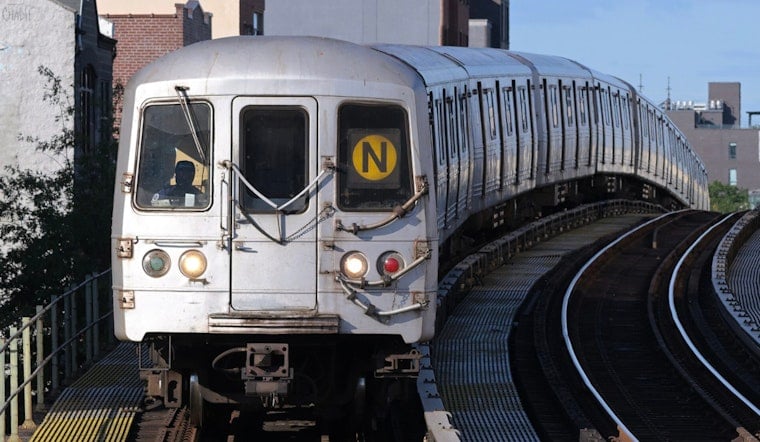
A track fire deep in the tunnel linking Manhattan and Queens turned the Friday, July 17 morning commute into a headache for subway riders, as N, W and R trains were abruptly halted or rerouted. Straphangers were hit with long delays, surprise transfers and shifting announcements, while downtown F and E trains were pushed onto alternate routes. FDNY crews moved into the tunnel to tackle the fire, and EMS responded to medical calls that slowed service even further.
According to PIX11, the fire sparked in the connecting tunnel between the boroughs and forced the MTA to reshuffle service across Midtown and key Queens corridors. PIX11 reported that some downtown F trains were sent over the G line between Court Square and Bergen Street, while downtown E trains were diverted onto the F between 5th Avenue/53rd Street and West 4th Street–Washington Square, creating ripple delays for other lines sharing the tracks.
Reroutes, Alternatives and Official Guidance
The MTA urged riders to check its app and website for real-time updates and to lean on other cross-river options, including the 7, E or F via Times Square–42nd Street and Queensboro Plaza. In a service notice on MTA, the agency cautioned that crews would need time to fully secure the tunnel and inspect signals and track equipment, warning that additional knock-on delays could pop up across Midtown and Queens routes while the work played out.
Medical Incidents Compounded Delays
Per PIX11, E trains were briefly rerouted again after a person was struck at the 57th Street–7th Avenue station. Downtown B and D riders were not spared either, facing delays after EMS responded to a passenger in need on a train in the 7th Avenue area. Officials did not immediately release information about the injured, and updates were funneled through FDNY and MTA channels while crews remained on scene.
This Is Not the First Time
Track fires have already cut into service multiple times this year, from earlier 7-line stoppages in March to an electrical blaze that snarled Penn Station service in May, underscoring persistent maintenance and infrastructure strains. Earlier accounts of similar shutdowns appear in coverage of the 7-train lifeline between Queens and Manhattan and in reporting by NBC New York, which both detail how a single track incident can quickly ripple through the wider system.
What Riders Should Do Now
For now, riders are being told to budget extra travel time, listen closely to station announcements and be ready to transfer if dispatchers change the plan mid-trip. The MTA's app and station agents remained the main sources for the latest service details, the MTA said. Transit officials added that more information would follow once tunnel inspections and any needed repairs were complete, and cautioned that fully restoring normal cross-river service could take hours depending on what crews find underground.





.jpg)