

























































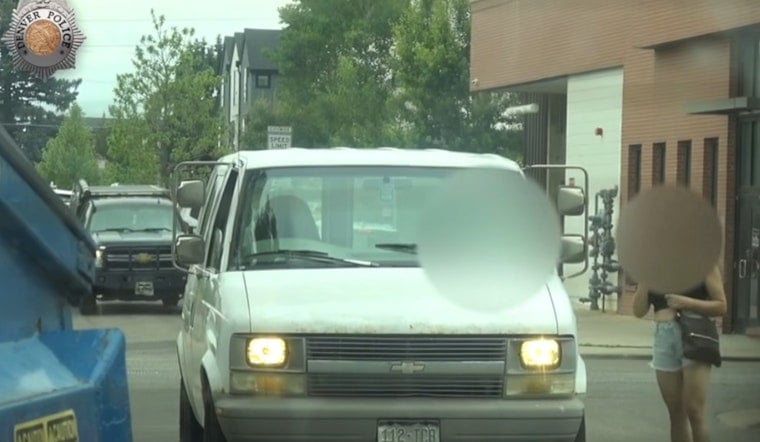
Undercover Denver police officers fanned out across parts of the city this weekend in a covert push to clamp down on alleged solicitation of prostitution, according to the department. A short social media video shows plainclothes officers striking up conversations in public spaces that neighbors have repeatedly flagged as trouble spots. The effort follows months of complaints about sex-for-money activity and earlier enforcement campaigns by the department's vice unit.
In the Facebook reel, the Denver Police Department states that "investigators are conducting a covert operation to curb the solicitation of prostitution." The video shows officers in street clothes walking up to people on sidewalks and in parking lots. The post does not list specific locations, arrests, or timelines, signaling that it is meant more as a heads-up to residents than a full briefing on the sting.
Past stings and neighborhood complaints
Undercover stings are not a new tactic in Denver. Local reporting has documented multiple vice operations along East Colfax and other busy corridors, where the department says it focuses on buyers and traffickers who sustain commercial sex markets. As reported by Colorado Public Radio, municipal defenders and immigrant advocates have pushed back on past sweeps, arguing they fall hardest on immigrant men and other low-wage workers. Police leaders counter that these operations are designed to disrupt trafficking networks and answer persistent community complaints about visible sexual activity and related disorder.
Legal context
Colorado law defines soliciting for prostitution under C.R.S. 18-7-202 and has historically treated it as a petty offense that can carry fines. That statute, C.R.S. 18-7-202, remains the legal backbone for many enforcement actions. This year, lawmakers introduced a statewide decriminalization bill, SB26-097, which would have repealed prostitution and solicitation offenses. The proposal did not advance, but that debate now hangs over how local police and prosecutors choose to enforce existing laws.
Police procedure and identification
City rules and Denver police policy carve out a specific space for undercover work. The municipal code includes exemptions to identification requirements for officers who are actively undercover, and the department's operations manual treats covert activity as a standard investigative tool. Under those policies, plainclothes officers can collect evidence without uniforms or visible name tags. Civil rights advocates and public defenders say transparency, along with careful prosecutorial discretion, is critical to prevent unfair outcomes. Officials say internal safeguards and review processes guide how undercover operations are approved and carried out.
What residents should know
Residents who suddenly notice unfamiliar plainclothes officers or a spike in police presence may see short posts like this weekend's reel, which signal that an operation is underway while keeping details about locations and arrests to a minimum. Large multiagency sweeps in Colorado have previously resulted in both trafficking rescues and mass arrests, according to reporting by Denver7. Police officials say a mix of outreach and enforcement is meant to reduce harm, while legal advocates continue to press for restrained use of stings and for responses that limit collateral damage for people in already precarious situations.




