

























































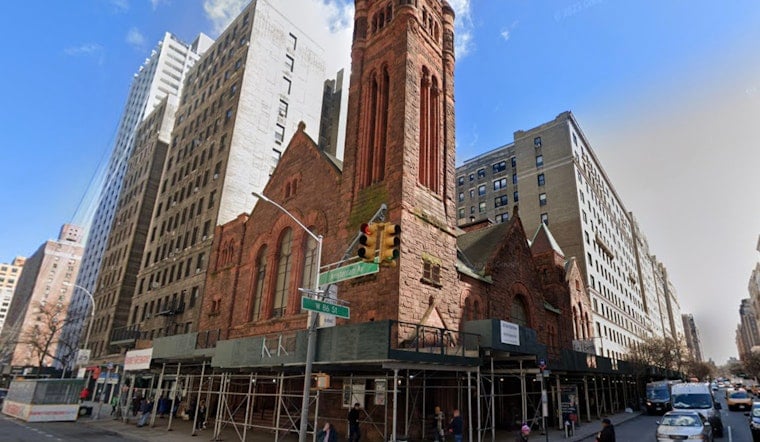
The fight over the future of the West-Park Presbyterian Church on the Upper West Side just got a fresh twist, and this time it comes with a serious cash offer. On Tuesday, the Center at West Park sent a formal proposal to the Landmarks Preservation Commission that aims to keep the landmarked Romanesque-Revival church standing by pairing guaranteed rent with a pot of restoration money. The letter lays out a ten-year lease guarantee and a dedicated repair trust as a way to meet the congregation’s financial needs while still honoring preservation goals. It is the latest chapter in a yearslong tug-of-war over whether the building should be sold for redevelopment or saved as a community hub.
According to the commission’s public filings, the agency officially closed the record on the church’s hardship application at 5 p.m. on July 10 after weeks of testimony, expert reports and dueling submissions from the Presbytery and preservation advocates. The full set of presentation documents and related materials is posted on the Landmarks Preservation Commission site, including consultant appraisals, engineering letters and redacted transaction records that commissioners will now sift through.
What the Center Is Offering
As reported by amNewYork, the Center at West Park’s proposal promises the church $60,000 a month in rent for 10 years, the creation of a $5 million repair trust for restoration work, and six months of rent - $360,000 - placed in escrow up front for emergency fixes. That reporting also notes that the city’s public building portal lists dozens of open Department of Buildings issues tied to the address, along with several thousand dollars in civil penalties that have hovered over the hardship fight. Center leaders argue that a structured lease and repair trust would give the congregation immediate cash flow while making sure that badly needed work is funded and monitored.
Church Says It Needs The Sale
The Presbytery, for its part, has told the commission that the congregation simply cannot handle the scale and cost of bringing the building back into shape and has filed for hardship relief that would clear the way for a sale and redevelopment. A redacted, executed purchase-and-sale agreement with a developer is included in the materials on file, detailing how a transfer and redevelopment would unfold. Church representatives have testified that years of preservation efforts, scaffolding and partial repairs have drained the congregation’s resources and left it carrying substantial debt.
Backers, Celebrities And The Arts Community
Supporters of the Center at West Park counter that the nonprofit has already pulled in millions and rallied celebrity allies, arguing that those dollars and that attention could be channeled into a full restoration plan. Local coverage has chronicled benefit events and a string of high-profile shout-outs. Patch has detailed the Center’s fundraising efforts and its scramble to relocate after eviction proceedings last year. As amNewYork noted, Mitch (Mitchell) Schamroth has argued that the proposal would “provide financial stability for the congregation and preserve the landmark,” pitching the offer as a middle path that tries to move both preservationists and the cash-strapped congregation toward the same goal.
What Happens Next
With the LPC record now closed, preservation groups and neighborhood advocates say they plan to keep up the pressure while commissioners quietly work through the stacks of material and decide whether the Presbytery has met the city’s narrow hardship standard. The New York Landmarks Conservancy has called for continued public support for the church and urged the commission to consider nonprofit and community-driven alternatives alongside the congregation’s claim that it has no viable options left. Whatever the outcome, the ruling is expected to send ripples through both preservation circles and real estate interests that have been watching closely.
Legal Frame
Under New York City’s Landmarks Law, a nonprofit that wants permission to demolish a landmarked building has to show that the property cannot earn a reasonable return. That bar is intentionally high and has been tested in court and in prior commission decisions. Judges have repeatedly stressed that the owner must carry a heavy burden and thoroughly document financial incapacity before demolition on hardship grounds is allowed. In this case, the Landmarks Preservation Commission’s findings over the coming weeks will be crucial. If commissioners decide the Presbytery has not met that standard, preservation advocates point to the Center’s escrowed-repairs proposal as a ready-made alternative that could keep the landmark in use rather than send it to the wrecking ball.



