

























































A Venice homeowner’s Ring camera sent a pre-dawn alert around 5:45 a.m., and the footage showed something no one wants to see doing laps in the pool: a 9-foot, 4-inch alligator. The uninvited guest had pushed through the home’s screened lanai, tearing through the mesh before dropping into the water for a solo swim. A licensed trapper later removed the reptile without incident, no one was hurt, and neighbors in the Toscana Isles community eventually learned that police had called in wildlife officials to handle the situation.
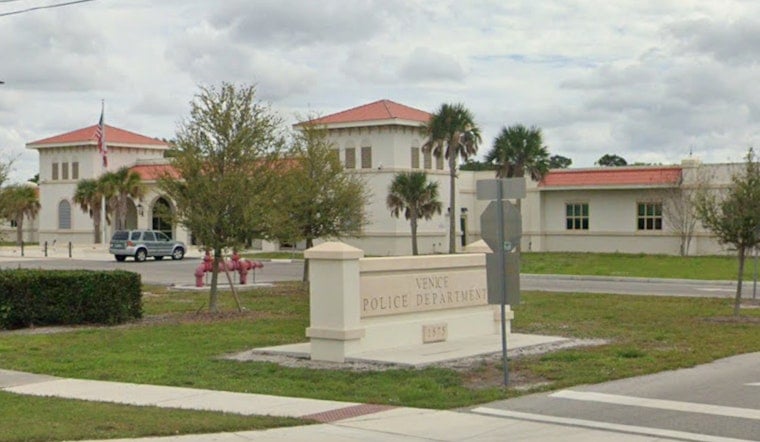
Venice Police shared an alert after the homeowner reviewed the footage, and local coverage reported that the gator had forced its way into the enclosed pool area, according to the Bradenton Herald. The Ring camera recorded the encounter at about 5:45 a.m., and the animal was measured at roughly 9 feet, 4 inches, CBS News Miami reported. Officials said the only clear damage from the early-morning visit was the shredded screen around the pool.
Trapper Called, FWC Removes Gator
A contracted trapper with the Florida Fish and Wildlife Conservation Commission’s Statewide Nuisance Alligator Program later removed the animal, according to FOX 13 Tampa Bay. The FWC’s SNAP program uses licensed trappers to remove alligators from homes and public spaces, and the agency stresses that only trained professionals should attempt to handle these animals. Residents are urged to call the FWC Nuisance Alligator Hotline at 866-FWC-GATOR (866-392-4286) whenever an alligator is posing a potential threat to people, pets or property.
Why Gators Turn Up In Yards
Alligators get more active as the warm months roll on. "Courtship begins in early April, nesting occurs in late June or early July, and hatching occurs from mid-August through early September," the Florida Fish and Wildlife Conservation Commission notes. That seasonal rhythm sends gators on the move, and wildlife officials say encounters like the one in Toscana Isles are common in neighborhoods that sit alongside canals, retention ponds or marshes. Environmental shifts such as drought or changes in water flow can also push alligators out of their usual haunts and into developed areas.
What Neighbors Should Do
Local coverage echoed FWC guidance that residents should never feed or approach alligators, keep pets on leashes and closely supervise children around any body of water, according to MySuncoast. If a gator shows up on private property or starts acting aggressively, officials say to call the Statewide Nuisance Alligator Hotline or contact the Venice Police Department so trained responders can step in. Homeowners with screened lanais are also urged to check for gaps or tears and repair them promptly to lower the odds of another surprise guest in the pool.




