

























































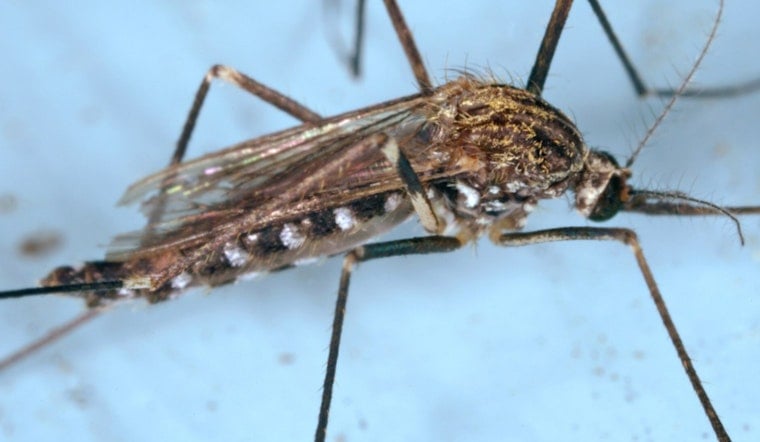
A mosquito test sample collected in Jamaica Plain has tested positive for West Nile virus, the Boston Public Health Commission announced, marking the first mosquito from inside the city to test positive this summer. Officials say the immediate risk to residents is low, but they are urging people to take straightforward precautions as mosquito activity ramps up. No human cases have been confirmed in Boston at this time.
What officials said
The Boston Public Health Commission said the positive pool was found in Jamaica Plain and that the Suffolk County Mosquito Control Project and BPHC will continue weekly trapping and testing across the city. In an announcement, BPHC Commissioner Dr. Bisola Ojikutu said, "These test results are an important reminder that everyone needs to take steps to protect themselves from mosquito-borne illnesses this time of year," as reported by Boston.com. The commission also reiterated its basic prevention advice for residents.
Statewide picture
On June 25 the Massachusetts Department of Public Health announced the state's first West Nile positive mosquito sample of the year, confirmed from a June 16 collection in Clarksburg. That earlier detection prompted the state to step up surveillance and coordinate with local mosquito-control districts across the Commonwealth. Officials say warm, wet weather this season could increase mosquito activity and the chance of additional positive pools.
How to protect yourself
BPHC and city officials recommend draining pockets of standing water, emptying and cleaning birdbaths and flowerpots weekly, using EPA-approved insect repellent containing DEET, picaridin or oil of lemon eucalyptus, and fixing or installing tight-fitting window and door screens. The city's mosquito guidance also advises limiting time outdoors at dusk and dawn when Culex mosquitoes are most active, and notes that the full prevention checklist is available on the city's mosquito safety page. Residents are urged to flip kiddie pools, remove old tires and cover containers that collect rainwater to cut down on breeding sites.
Symptoms and who’s at risk
Most people infected with West Nile never develop symptoms; when illness does occur it typically causes fever, headache, body aches, nausea, vomiting, diarrhea or a rash. Older adults and people with certain medical conditions are more likely to develop severe neuroinvasive disease, including high fever, neck stiffness, confusion or paralysis, according to the Centers for Disease Control and Prevention. Anyone with severe neurologic symptoms after a mosquito exposure should seek immediate medical care.
Monitoring and next steps
The city and the Suffolk County Mosquito Control Project say they will keep collecting mosquito samples from traps across Boston on a weekly basis and will notify the public if more positive pools are found. Residents who notice large numbers of mosquitoes, persistent standing-water sources or dead birds can contact the mosquito control project or BPHC for reporting and guidance.
For now, health officials stress that the detection is a reminder, not a cause for panic, and that simple actions around the home substantially reduce the risk of mosquito-borne infection. This article will be updated if the city confirms any human cases or additional positive mosquito pools in Boston.





