

























































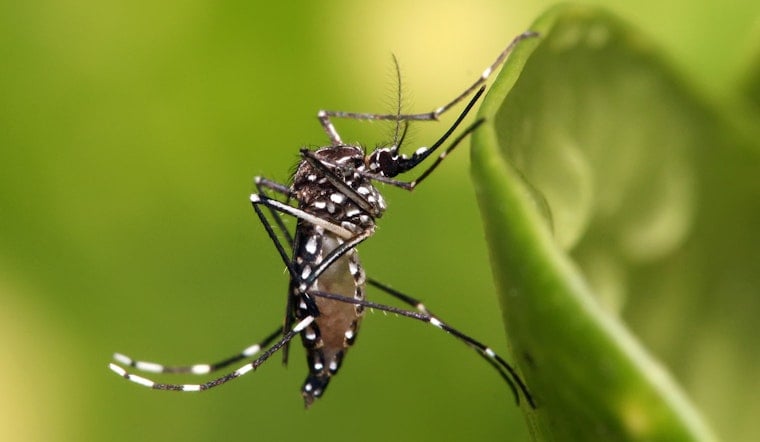
West Nile virus has officially arrived in Wisconsin for the year, with state health officials confirming that mosquitoes trapped in Milwaukee and a wild bird in Bayfield County have tested positive. There are still no confirmed human infections in the state, but local and state health departments say the new detections mean the virus is circulating in the environment and can spread to people through mosquito bites. Milwaukee residents are being urged to lean on the basics this season, including insect repellent, intact window screens and dumping standing water where mosquitoes like to breed.
In a July 14 news release, the Wisconsin Department of Health Services reported that mosquito samples collected in Milwaukee County tested positive for West Nile virus and that a wild bird from Bayfield County also returned a positive result. The agency noted it has tracked WNV in the state since 2001 and stated that "currently, no human cases of WNV have been reported in 2026."
Milwaukee's health department is backing up the state warning and stressing that this is the point in the season when residents need to pay attention. Milwaukee Commissioner of Health Mike Totoraitis, PhD, told TMJ4 that "the detection of West Nile virus in Milwaukee mosquitoes is an important reminder that mosquito season is here." He urged people to choose Environmental Protection Agency-approved repellents and to get rid of standing water around homes to cut down on mosquito bites.
How West Nile Spreads And Who Is At Higher Risk
West Nile virus spreads when Culex mosquitoes feed on infected birds, pick up the virus and then pass it along when they bite people. It does not spread directly from one person to another. Most infected people never notice any symptoms, and about one in five develop a fever or flu-like illness. Fewer than 1% of infections lead to severe neuroinvasive disease, according to the Centers for Disease Control and Prevention. Older adults and people with weakened immune systems face the greatest risk of serious complications.
What Residents Can Do Now
The Wisconsin Department of Health Services recommends using insect repellents that contain DEET, picaridin, oil of lemon eucalyptus or IR3535 and treating clothing, not skin, with permethrin products. Around the house, officials advise dumping standing water from containers, changing bird-bath and pet-dish water every three days, keeping window and door screens in good repair and cleaning or draining water that collects on pool covers. They also suggest shifting outdoor plans away from dawn and dusk, when the mosquitoes most likely to carry West Nile virus are at their busiest.
Health officials note that mosquito activity, and with it the risk of West Nile virus, usually continues through summer and into fall until a hard frost. They say it will be important to stay alert over the next several months. Anyone who develops a high fever, stiff neck, confusion, muscle weakness or other concerning neurologic symptoms should seek medical care right away; the Centers for Disease Control and Prevention notes that early testing and treatment are especially important for people with severe illness. Local health departments are expected to share more updates as surveillance results come in.





