

























































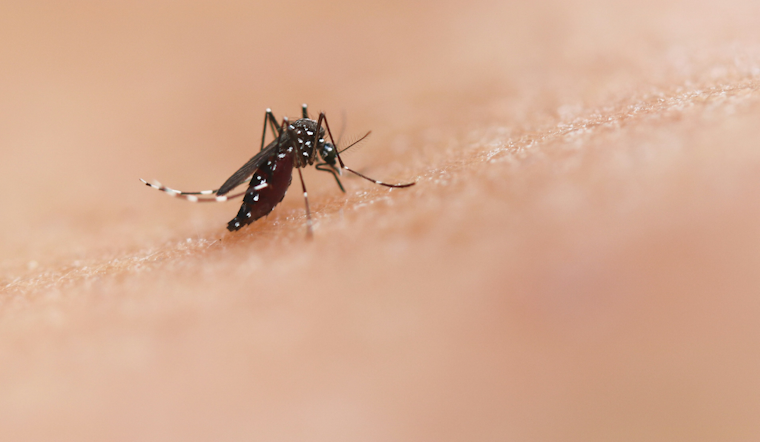
State entomologists say mosquito samples collected in Anne Arundel and Prince George’s counties have tested positive for West Nile virus, a routine early warning that the virus is circulating locally. Officials emphasize there are currently no confirmed human cases tied to these detections and are urging residents to stick to simple bite‑prevention steps as control crews prepare targeted treatments.
Where and when positive traps were found
According to Patch, the Maryland Department of Agriculture’s Mosquito Control Program says samples collected on July 1 in parts of Anne Arundel County returned positive test results on July 10. WBAL‑TV reports the department also received notice of a separate positive mosquito test in Prince George’s County. Officials note that these results come from routine pooled‑mosquito surveillance that state and local agencies use to flag viral activity before human illness appears.
How officials are responding
The Maryland Department of Agriculture’s Mosquito Control Program provides mosquito surveillance and control services to roughly 2,100 communities statewide and coordinates follow‑up treatments when pools test positive, per the department’s program materials (Maryland Department of Agriculture). In practice, the state often follows a targeted truck‑mounted ultra‑low‑volume adulticiding approach around positive traps, commonly within about a three‑quarter‑mile radius of a positive site, according to local reporting. Residents near planned spray zones are typically notified and asked to remain indoors while crews operate, and questions about local spraying can be directed to the Mosquito Control Program.
Health risks and prevention
Most people infected with West Nile virus never develop symptoms; others can experience fever, headache, body aches, vomiting, diarrhea or a rash, and fewer than 1% develop severe neuroinvasive disease that can require hospitalization, according to the Centers for Disease Control and Prevention. Local officials say there are no confirmed human cases tied to these Maryland detections so far. The CDC recommends using an EPA‑registered insect repellent, wearing long sleeves and pants during dawn and dusk, and removing standing water around yards to cut down on mosquito breeding.
What residents should do now
Clearing standing water from planters, toys, tarps and gutters at least once a week and keeping window and door screens mended remain the simplest actions to reduce mosquito breeding, local health pages note (Prince George’s County Health). If you see large numbers of dead birds, heavy mosquito swarms, or you develop fever plus severe headache or confusion after mosquito exposure, contact your county health department or the Maryland Department of Agriculture’s Mosquito Control Program at 410‑841‑5870 for guidance and to report suspected activity (Anne Arundel County Dept. of Health).





