

























































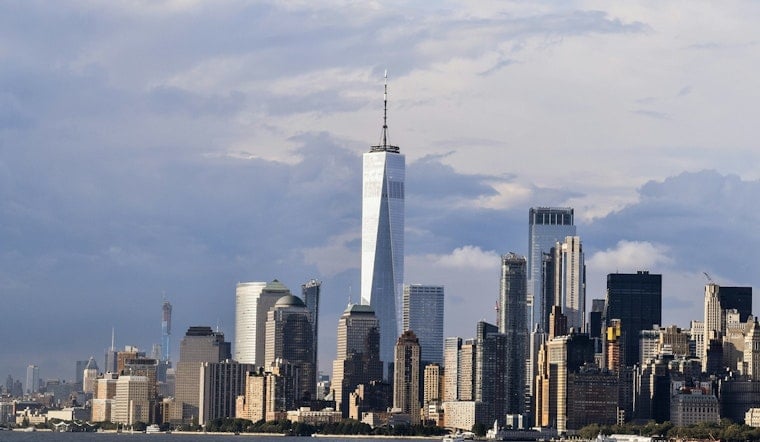
The World Trade Center has quietly turned into one of Lower Manhattan’s most crowded pockets of places to eat, with chef-driven dining rooms, a sprawling Italian marketplace and sky-high tables packed into a few city blocks. For neighborhood regulars, office workers and out-of-towners, that now translates to everything from quick market bites to showy pre-theater dinners and big-ticket observatory splurges. It is a shift that caps a long rebuild and makes the site an easier place to linger for an afternoon or settle in for the night.
According to the New York Post, the current lineup includes Metropolis by Marcus Samuelsson, the downtown outpost of Eataly and a street-level Fogo de Chão, alongside other recent arrivals. That mix of theater-side fine dining, an expansive Italian food hall and a full-service churrascaria is what led the Post to crown the WTC a fresh dining destination. Seasonal menus and ticketed events are helping keep the buzz from fading.
Metropolis brings theater-side fine dining
Marcus Samuelsson’s Metropolis, tucked inside the Perelman Performing Arts Center, is being positioned as a cultural anchor for the area. As reported by Eater NY, the space was designed by David Rockwell and set up to serve both ticket holders and anyone who lives or works nearby. Its dining room and terrace help pull the PAC into the street grid, turning the immediate blocks into more of an all-day, walkable neighborhood rather than a quick-in, quick-out destination.
Eataly’s seasonal push
Eataly NYC Downtown is currently running a limited-time "Summer of Pesto" prix fixe from July 16 through Aug. 2, with menu choices starting at about $26, according to its listing on OpenTable. The sprawling marketplace anchors much of the retail and casual dining at 4 World Trade Center and offers straightforward options for groups and families. That everyday accessibility helps keep the area useful for locals while still catering to the tourist flow.
Sky-high dining still costs a premium
The observatory restaurant ONE Dine requires a paid admission ticket to One World Observatory, and general entry currently starts around $44, based on the attraction’s ticketing information. The observatory also sells bundled dining packages and VIP tour-and-dine options that push per-person costs higher. For a lot of diners, a sit-down meal at altitude is still an occasional splurge, not a weekly habit.
Visitors and workers keep it busy
The 9/11 Memorial & Museum and the surrounding grounds remain major engines for foot traffic. The museum’s own reporting notes that it has welcomed more than 14 million visitors since opening, and the memorial brings in millions more. That constant flow, combined with cultural programming and a recovering daytime office crowd, helps explain why restaurateurs and event planners are betting on downtown. The result is a loosely connected dining corridor that manages to serve tourists, theatergoers and nearby residents at the same time.
How to plan a visit
For a summer trip downtown, it is smart to reserve in advance for peak nights at Metropolis, and to check Eataly’s booking options or the roughly $26 prix fixe if you are wrangling a group. The New York Post also notes special events, including a surf-and-turf cocktail party at Fogo de Chão on July 23, that are keeping the local calendar packed. If the skyline view at ONE Dine is the priority, it is worth adding the observatory ticket price into your budget before you commit to a reservation.
Lower Manhattan’s restaurant scene has been building for years, but the current cluster of market-style spots, chef-led dining rooms and observatory-side tables gives the World Trade Center a legitimate claim as a full-service food destination. Whether you are a local, visiting the memorial or heading to a show, the growing lineup of places to eat makes it much easier to turn a single stop downtown into a full day of food and culture.



