

























































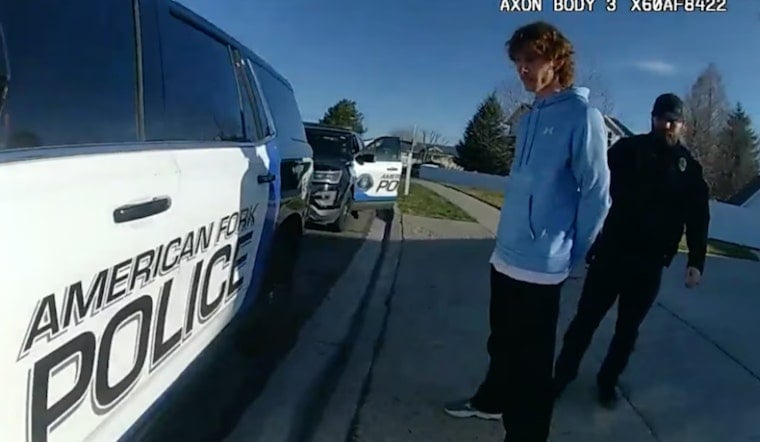
A California YouTuber who goes by Reckless Ben has turned a niche collectibles spat into a national headache for a small Utah police department. After a wave of viral videos, the American Fork Police Department released more than 24 hours of body-camera footage, only to face fresh backlash over what viewers say are confusing redactions and a shaky timeline.
The videos center on YouTuber Benjamin Schneider being handcuffed and officers serving a warrant at an American Fork Airbnb in March. What started as a fight over a reportedly missing Star Wars LEGO collection has snowballed into a high-profile argument over police procedure and transparency in a city that is not used to this level of scrutiny.
What the Footage Shows
According to The Salt Lake Tribune, the newly released materials include video from the March 11 arrest, along with dash-cam and body-cam clips that online sleuths have been dissecting frame by frame. The Tribune highlights five key moments that supporters of Schneider say clash with the department’s public explanations and bolster their claim that officers treated what began as a civil business dispute like a criminal case.
Police Response and the Department’s Statement
American Fork Police Chief Cameron Paul fired back with a roughly 26-minute video statement from the department, walking viewers through call logs, case numbers and the decisions officers made that day. He insists that officers were simply enforcing Utah law and were not taking sides in the collectibles dispute.
Chief Paul urges people not to blend the underlying business conflict with the separate criminal investigations, arguing that doing so muddies what officers were actually responding to. His full statement is posted on the American Fork Police Department.
Leaks, “Hack” Claims and Online Sleuthing
The chief’s message was quickly drowned out online. Supporters of Schneider say they located an unredacted folder of body-cam and dash-cam files tied to the department’s release, describing it as either an accidental upload or the result of an outside “hack,” depending on who is telling the story.
Outlets tracking the unfolding saga, including Kotaku, reported that a Dropbox link and community mirrors began circulating raw clips, while independent summaries compiled video lists, court documents and related filings for anyone who wanted to dive in.
Factually notes that once those materials were out in the wild, public scrutiny of the department’s redactions and release timeline only intensified.
Legal Fallout and Next Steps
Schneider now faces misdemeanor charges in Utah tied to the March encounters, and Bricks & Minifigs has filed civil claims against him and others. A federal judge recently swapped out a state order that had restricted Schneider’s posts for a preliminary injunction that still bars trespassing and threats, according to reporting.
KSL reports that the new injunction allows Schneider to resume posting some material while the company’s civil suit moves ahead. Criminal court dates and hearings remain on the calendar as attorneys on both sides continue to seek and exchange evidence.
In American Fork, the whole episode has left residents and city officials wrestling with uncomfortable questions about how records are handled, how redactions are made and how a small police agency should react when it is suddenly under a national microscope. Whether this ends with internal reviews, outside audits or answers hashed out in court, the hours of footage and the viral response around it are likely to shape how similar high-profile disputes are handled in the future.





