

























































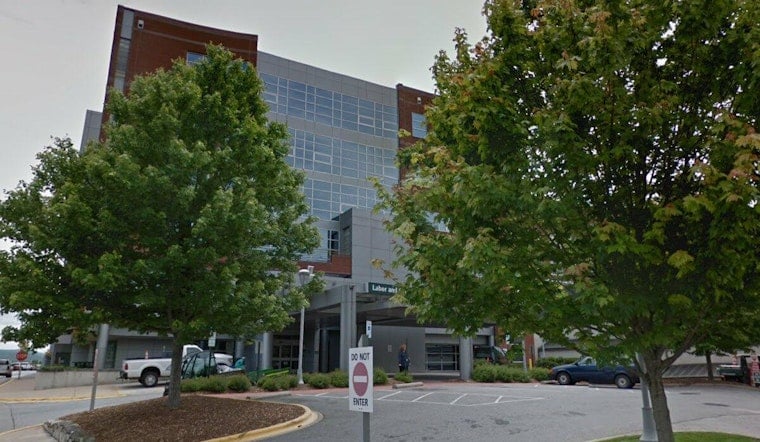
Asheville police officers who shot a knife-wielding man at the Westmont Commons apartment complex will not face criminal charges, according to Buncombe County District Attorney Todd Williams. The man, 27-year-old Curtis Kavanaugh Zane, survived the June 7 confrontation and is recovering from his injuries.
Williams determined the officers' use of deadly force was justified after reviewing body-worn camera video and findings from a North Carolina State Bureau of Investigation inquiry, WYFF reported. Officers had responded to the Asheville apartment complex on Chamberlain Drive after reports of a man with a knife, finding Zane on a third-floor balcony, where police said he threw a chair and other items below.
Police said Zane was holding an 8-inch kitchen knife and charged toward officers after they ordered him to drop it. Officers opened fire and provided aid until medical personnel arrived; no officers were injured, while Zane was transported to Mission Hospital in critical but stable condition.
According to the City of Asheville, its Gun Discharge Dashboard tracks incidents involving the discharge of firearms within city limits. A City of Asheville Professional Standards report published Feb. 27, 2018, said the department's overall use of force had decreased 61%.
Why The DA Cleared The Asheville Officers
Williams described the shooting as “this defensive use of force” and said the involved officers told investigators they were afraid and perceived a deadly threat from the knife. The DA also concluded that less-lethal options were highly unlikely to effectively defend against the threat.
The shooting also led to three felony counts of assault with a deadly weapon on a government official against Zane, according to authorities. Those charges are separate from the DA's decision about the officers, and police said open warrants will be served after Zane is released from the hospital.
What North Carolina Law Says About Deadly Force
North Carolina law allows an officer to use deadly physical force when it is, or appears to be, reasonably necessary to defend against what the officer reasonably believes is the use or imminent use of deadly force. The statute also allows deadly force to stop someone who presents an imminent threat of death or serious physical injury, while stating that it does not excuse unreasonable or excessive force, as outlined by the North Carolina General Assembly.
According to a North Carolina Department of Justice report, North Carolina does not collect statewide data on uses of force, and law enforcement agencies across the state do not employ a uniform policy.
The SBI investigation was conducted under Asheville Police Department protocol, and Williams' review now resolves the criminal question for the officers involved. The criminal case against Zane remains separate as authorities await his release from Mission Hospital.





