

























































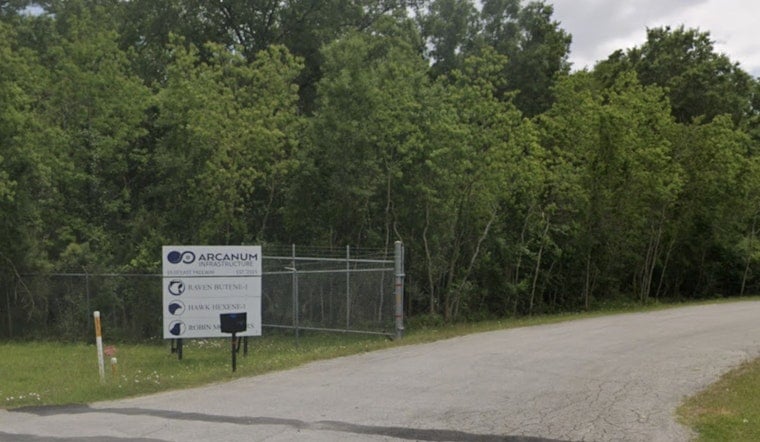
A large plume of black smoke and visible flames rose over Baytown, Texas, Wednesday evening after a “process upset” struck the Raven Butene-1 facility on East Freeway, prompting officials to urge drivers to avoid the area. No injuries were reported in connection with the incident, and facility officials said flames, flaring, and smoke might be noticeable to nearby residents as crews worked to bring the situation under control.
The plant, which authorities say experienced the process upset Wednesday, is owned and operated by Houston-based Arcanum Infrastructure, LLC, according to Arcanum Infrastructure. As reported by FOX 26 Houston, facility officials said they were working with local officials to resolve the incident as quickly as possible. The outlet's report, published Wednesday evening and updated shortly after, did not specify a cause for the upset.
Raven Butene-1 is designed for dedicated, on-purpose production of butene-1 by processing ethylene, and it is co-located with an existing operation in Baytown to meet anticipated growth in the polyethylene market, per the same account. The processing facility has a capacity of 100,000 tonnes per year. Phoenix Power Group supported Northstar Energy Services on the engineering, procurement and construction of the on-purpose ethylene-to-butene-1 processing facility, providing construction completion, commissioning and start-up support services, coordinating the overall project schedule, and helping the owner establish an operator training program, the report notes.
A Site With a History of Power-Related Upsets
Wednesday's flaring is not the plant's first brush with public alarm. On June 25, 2025, Baytown Fire Department crews responded to two separate calls at the facility: a chemical burn injury that sent a worker to Memorial Hermann Hospital, followed roughly an hour later by a hopper chemical fire that the local fire marshal attributed to reactive leftover material from the earlier incident, according to the City of Baytown.
Months earlier, on May 1, 2025, an electrical power failure at the plant triggered a process upset that caused dark smoke plumes and emergency flaring, drawing fire crews to monitor the site, as detailed by BIC Magazine. That disruption was broadcast on the regional Community Awareness Emergency Response system. The pattern stretches back further still: in February 2020, a regional power outage activated the facility's emergency depressurization system, producing a 45-minute ground flare that prompted air testing by Harris County Pollution Control, which recorded normal air quality afterward, per Click2Houston.
A Microgrid Built to Prevent This Very Problem
The recurring link between power loss and flaring is notable given that Raven Butene-1 already invested in backup power years ago. In May 2021, the plant partnered with Houston-based Enchanted Rock to commission a 3.5-megawatt natural gas microgrid specifically designed to supply emergency backup power and prevent operational disruptions during Gulf Coast outages, according to a release carried by PR Newswire. Despite that investment, the facility has continued to record flaring and process upset events in the years since.
The plant holds a notable technical distinction in the industry: it was the first commercial processing plant in the United States to deploy French technology provider Axens' AlphaButol dimerization process, which converts ethylene into high-purity 1-butene without super-fractionation, with commercial operations beginning under Axens licensing in late 2020. The 1-butene produced there is a specialized linear alpha olefin co-monomer used mainly in manufacturing high-density polyethylene and linear low-density polyethylene plastics for containers, pipes, and flexible packaging, a role driven by growing polyethylene demand.
Regulatory Record and Regional Context
On November 18, 2025, the Texas Commission on Environmental Quality adopted an agreed enforcement order assessing $6,375 in administrative penalties against Raven Butene-1, LLC under Docket No. 2022-0192-IWD-E, according to the Texas Register. That penalty pertained to industrial wastewater discharge enforcement rather than air emissions or the flaring incidents.
East Harris County petrochemical facilities operate under strict public notification and emergency monitoring requirements put in place after major industrial incidents, including the 2019 Deer Park ITC fire and the TPC Group Port Neches explosion, which together led to state legal settlements exceeding $160 million, as Hoodline has previously reported. Those disasters reshaped how the region's municipal warning networks respond when smoke plumes rise over industrial sites, even when, as with Wednesday's flaring, officials describe the event as a controlled safety response rather than an uncontrolled emergency.



