

























































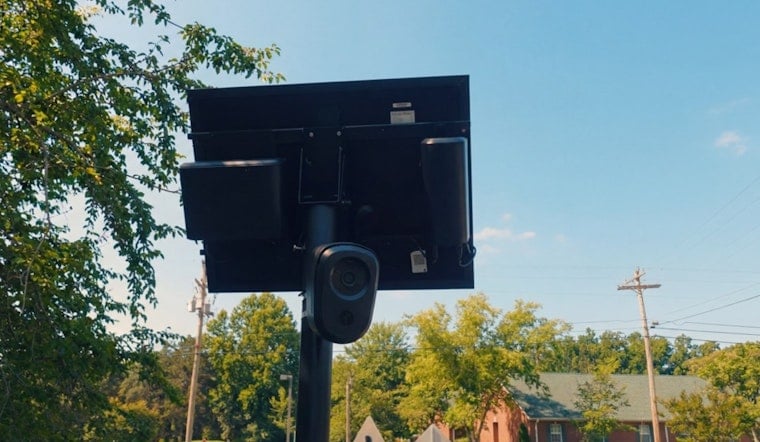
A fast-growing petition is turning Boerne and Kendall County’s Flock camera network into a full-blown local political fight. Residents are demanding that officials remove the license-plate readers and delete the data they have collected, while one county commissioner who initially backed the program now says he no longer supports it.
The Change.org campaign had reached 881 signatures by Monday, and the petition page displayed 916 verified signatures by Tuesday. The push comes as officials defend the cameras as a crime-fighting tool and privacy critics warn that the system creates a searchable record of ordinary drivers’ movements, as reported by MySA.
Petition Calls For Cameras, Data To Be Removed
The campaign asks the Kendall County Commissioners Court to terminate its Flock agreement, take down the cameras and erase collected information. It also calls for a public hearing, disclosure of which agencies can search the data, shorter retention periods and public audits, according to the petition page.
A separate DeFlock Boerne campaign has urged residents to contact local leaders and request public records. Organizers have framed the issue as a fight over whether government should be allowed to build detailed vehicle-travel records without a public vote.
Kendall County approved its license agreement with Flock Safety on October 14, 2025, in a 3-2 vote. The county’s official minutes show Judge Shane Stolarczyk and Commissioners Jennifer McCall and Chad Carpenter voted for the agreement, while Commissioners Andra Wisian and Richard Chapman voted against it, with the project tied to a Motor Vehicle Crime Prevention Authority grant.
County Network Comes With A Long-Term Price Tag
The county project was budgeted at about $258,305, with Kendall County contributing roughly $43,000, according to Community Impact. If the county continues the program without more grant funding, the recurring cost is expected to be about $198,550 a year.
That price tag has become part of the backlash, but the bigger concern for critics is the scale of the network. The petition describes roughly five dozen county cameras positioned around major roads and neighborhood entrances, where every passing vehicle can become a searchable data point rather than merely a suspect vehicle.
Boerne’s own December 2025 agenda materials show the city had 31 Flock cameras operating and logged more than 2.2 million plate reads from more than 360,000 unique plates in a 30-day period. The same document said Boerne had access to a shared network of 10,856 cameras across 519 networks, according to the City of Boerne.
Officials Say Flock Helps Solve Crimes
The Kendall County Sheriff’s Office says its cameras are placed in visible locations and capture passing vehicles rather than individuals. The agency says the system can record a plate, vehicle make, model, color, visible features, time and location, while using no facial recognition or audio recording.
The sheriff’s office also says the data is automatically deleted after 30 days, access is limited to authorized personnel and every search is logged for auditing. Officials describe the system as a proactive tool for recovering stolen vehicles, locating wanted people and supporting criminal investigations, according to the Kendall County Sheriff’s Office.
Carpenter told MySA that he initially supported the contract in October 2025 but voted against continuing the program and applying for more camera funding in April. He said he changed his position after learning about lawsuits involving information breaches, adding that sacrificing privacy can gradually erode freedom.
Hill Country Camera Fight Is Spreading
The dispute echoes a nearby fight in Bandera, where residents questioned a similar Flock rollout and one camera was vandalized before the city paused additional installations. That episode, covered by Hoodline, showed how quickly a public-safety technology debate can become a referendum on government transparency.
For now, the cameras remain in place and Kendall County Judge Shane Stolarczyk had not responded to MySA’s request for comment. The petition has put the next step squarely in front of local leaders: defend the current system, open the records and policies to public review, or reconsider a surveillance program that many residents say they never agreed to.





