

























































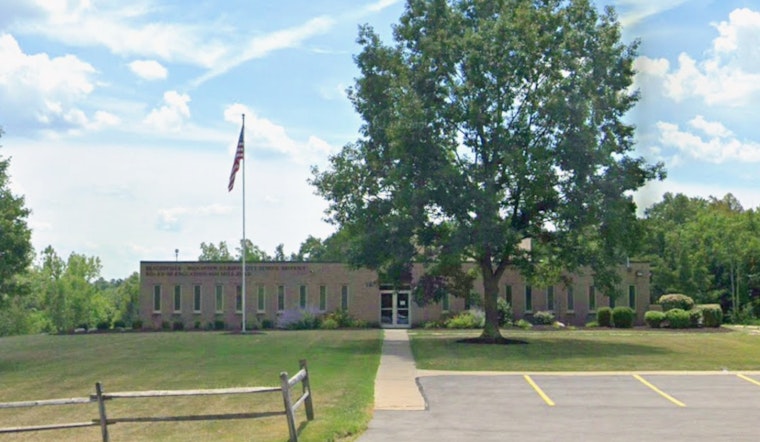
Brecksville-Broadview Heights City Schools could be left with just $134,066 in general-fund cash by June 2030 if voters do not approve new operating revenue, according to a district financial forecast. Despite ranking among the top academic performers in Ohio, the suburban Cleveland district is bracing for a serious budget squeeze driven by rising salaries, benefits and health-insurance costs that are outpacing what state law allows the district to collect in property taxes.
According to Cleveland.com, the district's February 2026 forecast reduced its June 2030 cash projection by about $1.65 million compared with an earlier estimate, landing at that $134,066 figure. Total revenue is projected to rise only about 1.2%, from $57.4 million to $58.1 million, through fiscal year 2030, while district expenditures have grown 3.26% per year on average. Salaries and benefits alone are projected to climb from about $50 million in fiscal year 2026 to $59.4 million in fiscal year 2030, an increase of roughly 18.8%, and by fiscal year 2026 wages and benefits are expected to account for about 86% of projected general-fund operating spending.
A Temporary Fix From Capital Funds
To buy time, the district plans to transfer $6 million from its Campus Master Plan fund into day-to-day operations in 2028, a move outlined in an October 2025 presentation cited by the same report. That transfer would turn what would otherwise be an operating shortfall of about $5.58 million in fiscal year 2028 into a $423,249 surplus for that year. But the relief is short-lived: the district still expects only 94 days of spending in cash at the end of fiscal year 2028, dropping to 51 days by the end of fiscal year 2029, before the forecast without new levy revenue shows cash effectively bottoming out at $134,066 by 2030. Board policy calls for maintaining at least 90 days of cash on hand.
The capital transfer illustrates a structural limit facing the district: money set aside for construction projects under the Campus Master Plan cannot legally be used to cover salaries or routine operating costs, per the district's own Office of the Treasurer. The first two phases of the Mill Road campus plan — including demolition at the former Hilton Elementary site and a new Hilton driveway — are funded and underway, but future phases involving a bus loop, athletic complexes and middle school renovations remain unfunded and conceptual. The board has agreed that protecting operating funding should take priority over large-scale borrowing for the master plan, and the district has put those future campus phases on hold.
Superintendent, Treasurer Point To May 2027 Ballot
Superintendent Jeffrey Harrison and Treasurer Craig Yaniglos have recommended targeting the May 2027 ballot with a 5.9-mill operating levy, according to the forecast reported by Cleveland.com. A potential levy request had earlier been estimated in a February forecast to range from 3.5 to 6 mills, but 5.9 mills is the figure now on the table. The proposed levy would raise about $9.5 million annually and would fund salaries, benefits and other day-to-day operating costs — it would not fund restarting unfunded campus construction. The Brecksville-Broadview Heights school board has not yet voted to place the levy on the May 2027 ballot.
For homeowners, 5.9 mills works out to about $206.50 annually per $100,000 of county-appraised market value, or roughly $516 a year on a $250,000 home, since Ohio taxes 35% of a property's market value. If approved, the new levy collections would total roughly $24 million through 2030, and a forecast modeling that revenue shows about $24 million in unreserved general-fund balance remaining at the end of fiscal year 2030 — a dramatically different picture than the $134,066 projected without it.
Why The District Keeps Coming Back To Voters
Brecksville-Broadview Heights voters last approved additional operating money in May 2017, when a 5.99-mill continuing levy passed narrowly, 51.76% to 48.24%, or 2,944 votes to 2,744. That levy was expected to raise about $6.13 million annually and continues indefinitely, but it was never designed to keep pace with the rising cost of running the district's schools. The reason lies in state law: under Ohio's House Bill 920, enacted in 1976, property tax revenue from voted operating levies is capped at a fixed dollar amount, with tax reduction factors automatically lowering effective millage rates as home market values rise, according to New Albany-Plain Local Schools. That means even as Cuyahoga County home values climbed following the county's 2024 sexennial reappraisal, per Lakewood City Schools, the district's local tax collections stayed essentially flat — district revenue has grown an average of just 0.12% per year.
Local real estate taxes generate approximately 82.7% of the district's total operating revenue, according to a district forecast reported by Citizen Portal, leaving the district heavily dependent on local ballot measures rather than state aid. That dependency comes even as the district posted some of the strongest academic results in Ohio: Brecksville-Broadview Heights earned an overall five-star rating on the Ohio Department of Education and Workforce's 2024-2025 state report card, placing it among just 18 school districts statewide to achieve five stars across every component category, according to ScripType. The district serves approximately 3,800 students across three consolidated campus facilities — one PreK-5 elementary school, one middle school and one high school.
Rising Costs, Steady Enrollment Assumptions
The forecast assumes no new staff through 2030 and models base-pay increases of 1.75% annually from fiscal year 2028 through 2030, according to Cleveland.com's reporting. Even with those constraints, health-insurance premiums are projected to increase 10% in fiscal years 2027 and 2028 and 8% in each of the following two years, pushing total costs upward regardless of staffing levels. The district is projected to spend $9.25 million more than it takes in during fiscal year 2030 alone, and $7.26 million more than it takes in during fiscal year 2029, without new levy revenue.
District leadership has been trying to get ahead of the numbers publicly. Harrison and Yaniglos launched a monthly podcast called The Ledger and the Leader in 2025 to walk community members through financial forecasting, master plan progress and district operations, according to Brecksville-Broadview Heights City Schools. The district also has a track record of successful capital campaigns — voters passed a $44.5 million facilities bond in May 2018 that funded the new PreK-5 elementary school without raising overall tax rates, according to Apptegy. Whether that goodwill extends to a new operating levy will be tested if the board formally places the 5.9-mill measure before voters next May.



