

























































Ground has broken on three new affordable assisted living communities near Dayton and Columbus, each designed to house 120 low-income seniors who need daily assistance but want to keep living independently. The projects, developed by Chicago-based Evergreen Real Estate Group, are slated for completion in fall or winter of 2027, and they arrive as Ohio's aging population continues to outpace the supply of affordable senior care options across the state.
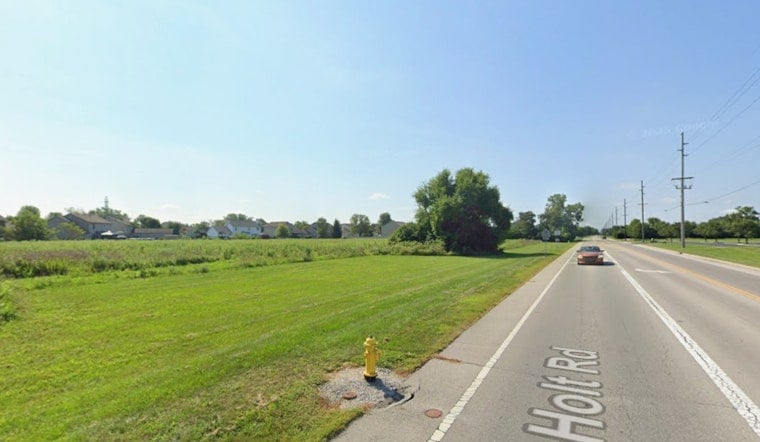
As reported by WSYX, the three sites include Green Oaks of Grove City at 3000 Holt Road, Green Oaks of Walnut Creek at 4000 Westerville Road, and Green Oaks of Fairborn at 2124 Exchange Court, located roughly 15 miles east of downtown Dayton. Each site is being built to an identical template: a 120-unit building combining 53 one-bedroom apartments and 67 studio apartments, according to the station's report. Evergreen is marking its 25th anniversary with this cluster of groundbreakings, per the same account.
The financing behind the projects flows through the state. The Ohio Housing Finance Agency Board approved up to $35 million in tax-exempt Multifamily Housing Revenue Bonds along with a 4% Low-Income Housing Tax Credit reservation for both Green Oaks of Grove City and Green Oaks of Fairborn in March, according to the Ohio Housing Finance Agency. The same board action authorized up to $39 million in bonds and a matching tax credit reservation for Green Oaks of Walnut Creek in Columbus, making it the largest single allocation in the central Ohio series.
Construction Contracts and Local Approvals
Commercial general contractor The Douglas Company is building the facilities in partnership with WJW Architects, with contract values of $21.2 million for the 96,564-square-foot Fairborn property and $22 million for the 92,279-square-foot Walnut Creek property, according to The Douglas Company. Local governments cleared the path for the projects well before the bond approvals arrived. Grove City Council passed Resolution CR0726 and Ordinance C-04-26 in March, rezoning 4.13 acres at 4745 Big Run Road to Planned Unit Development-Residential to accommodate the development, according to the City of Grove City.
Fairborn municipal officials approved their project back in September 2025, with the city anticipating roughly 50 full- and part-time jobs and a chance for area residents to age in place, according to Fairborn City Council. These three groundbreakings are not Evergreen's first in Ohio this year. The developer previously broke ground on identical 120-unit projects at Green Oaks of Holland near Toledo in February and Green Oaks of Canal Winchester near Columbus in March, according to Evergreen Real Estate Group, part of a broader statewide rollout that also included a $30 million bond deal for a similar community in Painesville earlier this month.
What Residents Will Get, and Who Pays
Once complete, each apartment will include a kitchenette with a sink, refrigerator and microwave, with some units offering a full kitchen upgrade, per WSYX. Units will also come with a private bathroom featuring a shower and grab bars, individual heating and air conditioning, and an emergency alert system. Certified staff will be on-site 24/7, and dining services will include three meals and snacks daily, prepared in a commercial kitchen and dining room at each site. Residents will also have access to a fitness room, beauty salon, game room, activity rooms, computer stations, a library, and transportation to local businesses and service providers.
Each community will be licensed as a residential care facility by the Ohio Department of Health and approved as a Medicaid-assisted living service provider through the Ohio Department of Aging, according to the station. Evergreen is partnering with the Ohio Department of Medicaid, the Ohio Housing Finance Agency, the Ohio Department of Health, and the Ohio Department of Aging on the developments. Chicago-based Gardant Management Solutions will operate all three communities; founded in 1999, Gardant ranks as the fifth-largest assisted living provider in the country and manages more than 8,600 senior housing units across five states, according to Gardant Management Solutions.
The financing structure carries an important catch for prospective residents. Under Ohio Administrative Code Section 5160-33-04, the state's Medicaid Assisted Living Waiver Program covers ongoing care and 24-hour support services, but federal rules bar Medicaid from paying for a resident's room and board, according to Ohio law. That means residents must cover housing costs through Social Security or other personal income, even as their care needs are subsidized. State agencies back these purpose-built Medicaid communities in part because residential care in community-based settings costs roughly half what traditional nursing home care costs, according to REBusinessOnline.
A Statewide Push to Keep Seniors in Place
Ohio currently has 1,126 licensed assisted living facilities, or about 54.4 facilities per 100,000 adults aged 65 and older, according to the Ohio Department of Health. Steve Rappin said that expanding senior living options in these areas of Ohio will have a positive and lasting impact both today and well into the future, per WSYX. The new communities aim to provide affordable residential support for seniors who need daily assistance but are not ready for, or cannot afford, nursing home placement.
Evergreen's broader push in the state has drawn attention beyond these three sites; Hoodline has previously tracked Evergreen's national expansion as the company builds out affordable housing pipelines beyond Ohio, and the Columbus area has separately seen older senior facilities like Westminster Terrace slated for demolition as the region's senior housing stock turns over. Exact income eligibility thresholds for incoming residents at each of the three new sites, along with how local Area Agencies on Aging will manage waitlists ahead of the 2027 completion dates, remain open questions as construction continues.





