

























































A Cleveland Heights man who spent five years battling stage IV lymphoma, West Nile virus encephalitis and a heart attack from a completely blocked coronary artery says he now feels stronger at 63 than he did at any younger age. Scott's ordeal began in 2020 with a lump the size of an avocado pit above his left collarbone and escalated through a cascade of life-threatening diagnoses that would test both his body and his family for years to come.
According to Cleveland.com, Scott was diagnosed with stage IV lymphoma in July 2020 after discovering the lump above his collarbone while living in Cleveland Heights. He underwent nine months of immunotherapy and chemotherapy before reaching remission in April 2021. The cancer, described by his doctors as slow-growing, appeared to be behind him — until it returned.
Lymphoma Returns, But Treatment Waits
Scott's lymphoma came back in January 2024, but his oncologist, Dr. Allison Winter, has not recommended treatment for the relapse. That approach lines up with standard clinical guidance: the National Comprehensive Cancer Network specifies that active surveillance, often called “watch and wait,” is the accepted standard of care for asymptomatic or slow-growing indolent non-Hodgkin lymphomas, since deferring chemotherapy avoids unnecessary drug toxicity for patients whose disease isn't actively threatening them.
That same year, Scott was diagnosed with heart failure after his ejection fraction dropped low enough to meet the clinical threshold. Cardiovascular research from Cleveland Clinic notes that cancer survivors face elevated risks of treatment-induced cardiotoxicity and cardiomyopathy, which can trigger heart failure months or even years after chemotherapy or immunotherapy regimens end — a pattern that fits the timeline between Scott's nine months of cancer treatment and his later heart diagnosis. Dr. Arianne Agdamag cared for Scott's heart failure, and the report notes his heart function improved significantly once treatment began.
A Mysterious Fever and a Second Spinal Tap
Before the heart failure diagnosis, Scott developed a fever of 105 degrees and was ultimately diagnosed with West Nile virus encephalitis. He believes he contracted the virus while rowing on the Cuyahoga River, a theory consistent with regional vector surveillance showing that West Nile-positive mosquito pools are routinely detected during peak summer months in the damp habitats surrounding Lake Erie and the Cuyahoga River watershed, where Culex pipiens mosquitoes serve as the primary vector for the virus across Northeast Ohio.
Confirming the diagnosis wasn't straightforward. Dr. Carlos Isada ordered a second spinal tap after Scott's initial lumbar puncture came back negative. That's a recognized diagnostic hurdle: guidelines from Mayo Clinic Laboratories note that lumbar punctures for West Nile virus can yield false-negative antibody results if cerebrospinal fluid is collected too early in the acute phase, before IgM antibodies reach detectable levels. Neuroinvasive West Nile disease is rare and severe — the Centers for Disease Control and Prevention reports that fewer than 1% of people infected with West Nile virus develop neuroinvasive disease such as encephalitis, which carries an overall fatality rate of roughly 10%. Scott needed to relearn how to write and speak in complete sentences afterward, and he says it took nearly a year to feel completely like himself again.
A Blocked Artery and an Emergency Procedure
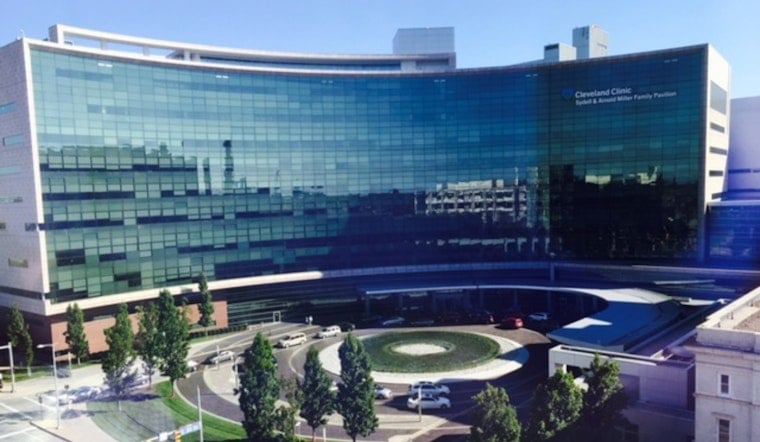
Scott's health crises culminated in a heart attack caused by a completely blocked coronary artery. He was transported to Cleveland Clinic, where he underwent an emergency procedure within minutes, awake throughout, as Dr. Aravinda Nanjundappa reopened the blocked artery and restored blood flow to his heart. Joint clinical standards from the American College of Cardiology and American Heart Association call for hospitals to open a blocked artery within 90 minutes of arrival, a benchmark known as door-to-balloon time. Scott recalled to the outlet that “the teamwork of the heart attack team in the ER was quite something,” and said a Cleveland Clinic medical team of about a dozen professionals was involved in his care.
Scott spent 16 days in the hospital followed by seven weeks recovering at home. Cleveland Clinic, which U.S. News & World Report named to its national Best Hospitals Honor Roll for the 36th consecutive year while ranking it the No. 1 overall hospital in Ohio, coordinated much of his care across specialties. Scott's Cleveland Heights home sits roughly five miles from the hospital's main medical campus, in a dense inner-ring Cuyahoga County suburb of about 45,312 residents, according to U.S. Census Bureau data.
Family, Neighbors and a Return to Rowing
Scott, who has been married to his wife for 35 years and works as litigation counsel for Eaton Corporation, said he approached his health by solving problems alongside his family and doctors. His next-door neighbor, Dr. George Muschler, a Cleveland Clinic orthopedic surgeon, offered him medical advice along the way. Eaton maintains its North American regional headquarters at Eaton Center in Beachwood, where the company employs nearly 1,000 workers.
Now, Scott exercises about 90 minutes every weekday, combining cardio and strength training, and continues rowing along with platform tennis, curling, skiing and hiking. “I am more physically active and capable today than at any younger age,” he told the outlet, describing his outlook throughout the ordeal as resilient and determined. He said he hopes his experiences can inspire other patients facing their own medical crises.
Scott's story was featured as part of Cleveland.com's Health Care Stories series, which highlights reader-submitted health care experiences from across Northeast Ohio. The account underscores just how statistically unusual his full recovery is: federal health data from the CDC shows patients aged 60 and older face the highest risk of severe complications, prolonged hospitalization and long-term disability following neuroinvasive illness or major acute cardiac events, making Scott's return to an active, athletic life at 63 a notable outcome.





