

























































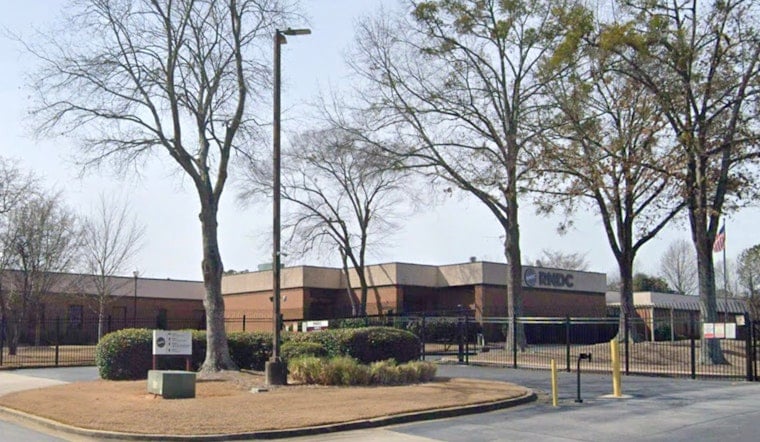
Republic National Distributing Co., the metro Atlanta-based alcohol distributor headquartered on Wildwood Parkway in Cobb County, is laying off 558 employees as its Chapter 11 bankruptcy grinds through the courts. The cuts, expected to take effect October 19 with terminations rolling out over two weeks, hit workers at two facilities, including the company's site near Fulton County Executive Airport.
State filings reviewed by The Atlanta Journal-Constitution show the company had explored strategic alternatives to secure capital and avoid liquidating its Georgia operations before ultimately filing for Chapter 11 protection in July. RNDC listed roughly 1,460 employees companywide at the time of filing, along with estimated assets between $500 million and $1 billion against estimated liabilities between $1 billion and $1.5 billion, according to the same report from reporters Amy Wenk and Kelly Yamanouchi. Of the 558 Georgia layoffs, 321 are tied specifically to the permanent shutdown of RNDC's facility at 1 National Dr. SW in Atlanta, according to state WARN Act notices reviewed by class action firm Strauss Borrelli PLLC.
A Company Older Than Prohibition, Undone by a Modern Market
RNDC's roots trace back to 1898 in Pensacola, Florida, the AJC notes, and the company actually ceased operations after ratification of the Prohibition Act in 1919 before reopening in 1939. It has operated as a cooperative business entity since 2007, serving major retail and hospitality accounts including Costco, Kroger, Walmart, hotels, restaurants, bars and independent liquor stores across markets like Georgia and New Mexico, per the AJC's reporting. At its peak scale, the distributor reported annual revenue of about $12 billion and moved nearly 10 million cases a year.
That scale didn't save it. Strauss Borrelli launched an investigation on Wednesday into whether RNDC violated federal WARN Act requirements by failing to give the 321 Atlanta workers the legally required 60 days' written notice before the facility closure — a gap that, if confirmed, could expose the company to additional back-pay liability even as it winds down in bankruptcy court.
Lost Supplier Deals and a Shrinking Market Squeezed the Distributor
The collapse didn't happen overnight. Before filing for bankruptcy, RNDC lost several major supplier distribution agreements worth more than $3 billion in annual revenue, including contracts with Brown-Forman, Pernod Ricard and Treasury Wine Estates, according to court filings detailed by The Drinks Business. Losing those top-tier producers gutted case volume and profit margins across the company's middle-tier distribution network.
Those supplier losses compounded a broader industry reckoning. Post-pandemic oversupply left distributors sitting on excess inventory even as consumer tastes shifted toward lower-alcohol alternatives, the AJC reports, and Americans have grown warier of drinking altogether — a record-low 54% now say alcohol use is acceptable, while 51% believe even one drink a day is bad for their health. GLP-1 drugs have also contributed to declining alcohol consumption, compounding the higher labor costs, inflation and delayed debt-financed expenses that alcohol distributors nationwide have faced.
A Billion-Dollar Sale Wasn't Enough to Avoid Court
RNDC tried to raise cash before seeking bankruptcy protection. In May, the company completed a sale worth more than $1 billion, transferring its distribution operations across 11 markets to Reyes Beverage Group and preserving more than 5,000 jobs in those states, according to court records cited by ElevenFlo. Separately, the AJC reports RNDC sold its beer distribution business to Reyes Holdings.
It wasn't enough. RNDC entered Chapter 11 on July 26 with only about $5.3 million in cash on hand against $492.4 million in secured funded debt — including a $260.4 million second-lien facility and a $158.6 million asset-based revolver, per the same court filings. That cash shortfall forced the company to secure a $250 million debtor-in-possession financing facility from existing lenders led by Wells Fargo, including $75 million in new capital, to keep operations running during the wind-down.
Equipment Debt and a Founding-Family Payout Under Scrutiny
Beyond the core debt stack, RNDC faces more than $400 million in general unsecured trade claims, plus a $47.2 million unsecured lease claim held by First American Commercial Bancorp covering warehouse equipment and delivery vehicles, according to court documents reported by Trucking Dive. The company's fleet has served off-premise and on-premise accounts nationwide.
RNDC's August Chapter 11 plan also includes a $50.25 million equityholder settlement resolving a nine-month investigation into more than $700 million in tax distributions paid to the company's founding family owners since 2018, per ElevenFlo's review of the case. RNDC was formed through the consolidation of four family-owned businesses spanning 125 years of history.
Piecemeal Sales Continue as the Wind-Down Spreads Nationwide
As part of its asset liquidation, Louisville-based KEG 1 River City signed a letter of intent this month to acquire RNDC's Kentucky operations, a deal that would transfer 2 million cases of annual beverage volume pending bankruptcy court approval, according to The Spirits Business. It's the latest in a string of state-by-state market sales RNDC has pursued to unwind its operations.
The Atlanta cuts are part of a much larger pattern. WARN Act tracking data shows RNDC has issued 40 layoff notices affecting 8,519 workers across 19 states and Washington, D.C., dating back to May 2011, with Texas absorbing the largest hit at more than 1,900 positions, according to WARNTracker. Hoodline has tracked similar cuts in Michigan, as well as earlier layoffs in Ohio, North Carolina, Oregon and Florida as RNDC dismantled its distribution network market by market.





