

























































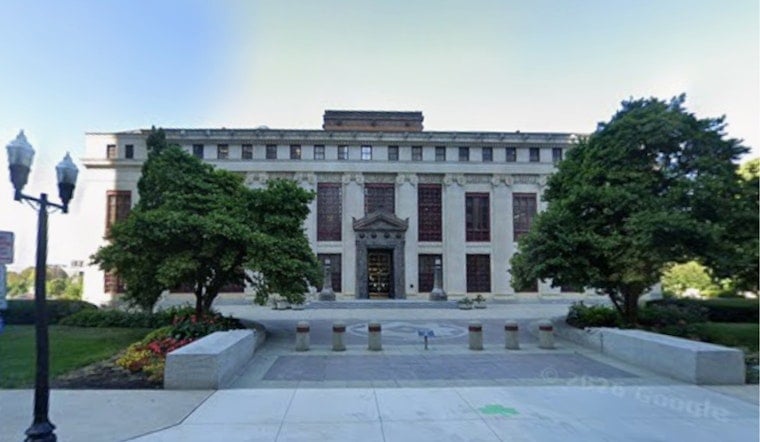
Columbus City Council members pushed Mayor Mary Ferdon's administration to rework its initial 2027 budget proposal after discovering the city's general fund reserve percentage had dipped below the council's preferred 60% cushion. The rejection sent city staff back to the drawing board during a series of marathon budget presentations, ultimately producing a revised plan that restores the reserve target while still funding new police vehicles, a fire truck payoff and a long-planned traffic-calming project on 25th Street.
The back-and-forth, first detailed by The Republic News, reflects a council that has grown wary of running deficit budgets year after year, viewing the practice as unsustainable even when the city's books eventually balance out. Council members made exceptions to specific line items during deliberations, and the administration ultimately moved some expenses into EDIT and other special-purpose funds while cutting capital and operating costs elsewhere to hit the 60% mark. City finance staff reworked allocations between funds to reach that target, according to the same reporting, and the projected ending reserve is now expected to land higher than 60% based on past underspending and additional revenue.
Why the Council Wanted a Bigger Cushion
Council President Frank Miller, who represents Republican District 4 and presides over meetings under the city's second-class governance structure, said additional fees and taxes would likely be needed to replace revenue the state has cut, per the same reporting. Indiana Senate Enrolled Act 1, signed by Governor Mike Braun in April 2025, overhauled property tax policy statewide and is projected to deliver $1.3 billion in homeowner relief by 2028, according to Indiana Public Radio — but that relief comes at the cost of automatic revenue growth for cities like Columbus.
Regina McIntyre told the council that Columbus's net assessed value is expected to reach $3.9 billion, an increase of just under 2% from the prior year, with the city's certified tax rate projected at $1.1250 per $100 of assessed value, a 4.7% jump from 2026. The general fund is expected to collect $44.6 million in certified levy revenue, up from $42.2 million in 2026. Columbus plans to advertise a tax rate in September higher than the eventual certified rate, and the state Department of Local Government Finance typically finalizes that certified rate by the end of December.
What's Driving Costs Higher
The 2027 preliminary budget includes a 3.5% pay increase for full-time city employees and a 3.2% increase in PERF contributions covering police and firefighter pensions. Employee health insurance premiums are projected to climb 9%, while the employer's share of that insurance cost is budgeted to increase 77%. To help cover the gap in the meantime, the council appropriated $5.5 million from the insurance non-reverting fund this month to cover higher-than-expected medical claims by city employees.
Salaries and benefits typically make up 58% of budgeted expenses, with capital spending accounting for about 16% and other services and charges another 13%. On the revenue side, property taxes are estimated to comprise 44% of the budget, local income taxes about 36%, and federal and state grants roughly 6%, with supplemental local income taxes estimated at $4.4 million.
Big-Ticket Items That Survived the Rewrite
Despite the reserve concerns, several capital requests made it into the revised budget. The city set aside over $1 million for 20 new police vehicles and another $1.1 million to finish paying off a new fire truck due to arrive in 2027. The budget also includes over $1 million for the city's share of the 911 center and $150,000 to cover two rounds of municipal elections next year. Columbus also plans a full rebuild of Talley Road starting in 2027, and the parks department requested a full-time recreation fitness coordinator while public works asked for a full-time mechanic.
Mayor Ferdon's initial proposal had included $450,000 in EDIT funds for a stormwater master plan, which will study the feasibility of starting a stormwater utility that could eventually charge property owners a fee and help replace revenue lost under SEA 1. That fiscal balancing act echoes the city's broader capital strategy this year, which has included tree work tied to its riverfront overhaul and a consultant hired to steer downtown redevelopment.
Wheel Tax Still Off the Table, For Now
Bartholomew County and Columbus have remained hesitant to institute a wheel tax, even as other Indiana cities have moved to adopt one. Under Indiana House Enrolled Act 1461, municipalities must adopt local option highway user taxes such as a wheel tax to stay eligible for Community Crossings matching grant funding, and cities including Beech Grove and Huntingburg passed such taxes in mid-2026 ahead of a September 1 deadline, according to WTHR. SEA 1 also allows Columbus and similarly sized cities to impose an additional 1.2% local income tax rate and other fees, options the council has yet to pursue.
Looking Ahead to MUST Talks and a Fall Vote
City and county officials are expected to hold Municipal Unit Strategic Task Force meetings this fall to discuss potential local income tax distribution changes, a process defined under Indiana Code 6-3.6-3-13 and reported by The Addison Times. McIntyre said no LIT changes are expected until at least 2029 or 2030, giving Columbus some runway to plan. The Columbus City Council is expected to vote on the final 2027 budget, rather than the earlier projection, sometime between late September and October.





