

























































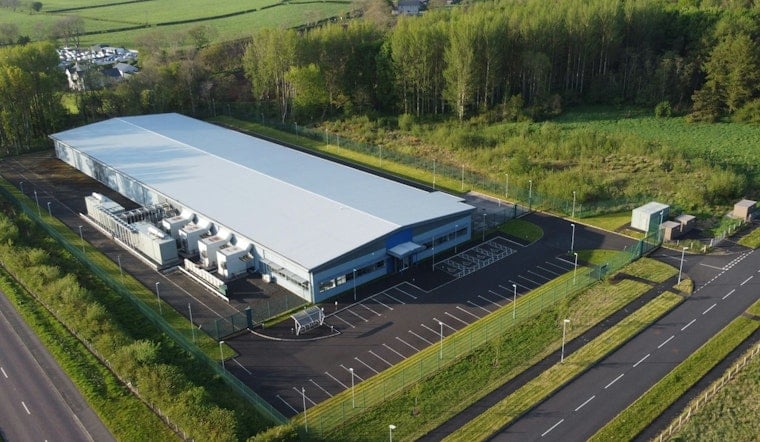
The Commerce City Council has hit pause on all new data center development, enacting an immediate 45-day moratorium that blocks approval of any land-use permits, entitlements or agreements for the power-hungry facilities. Officials say the freeze gives city staff time to study how these massive server farms operate before Commerce issues any rules governing them.
The urgency ordinance, adopted Tuesday, comes from a city council that had previously joined neighboring industrial hubs in courting developers with tax breaks and fast permitting, according to the Los Angeles Times. As reported by MyNewsLA.com, the council adopted the ordinance, per the city, on Tuesday, prohibiting the approval of land-use permits, entitlements, or agreements for data center development during the moratorium period.
City officials point to a simple gap in the rulebook: Commerce's municipal code does not currently regulate or even define data centers, the outlet notes. That absence leaves existing zoning standards without any provisions specifically addressing the noise, air-quality and infrastructure impacts that modern data centers can bring.
Why City Hall Hit the Brakes
Modern data centers can require large amounts of electricity and water, along with substantial cooling systems and backup diesel generators, per the same account. Vice Mayor Kevin Lainez framed the pause around residents' welfare, saying, “the well-being of the people of Commerce remains the highest priority.” Councilmember Ernie Hernandez added that Commerce should maintain proactive and responsible oversight to manage complex industrial proposals.
The moratorium is intended to give city staff time to study data center operations and develop proposed land-use standards, zoning amendments and environmental protections, the article states. City staff is expected to return to the council with a written report detailing measures taken to address the conditions that prompted the moratorium.
A Legal Clock Is Already Ticking
The 45-day freeze relies on a specific state law: under California Government Code § 65858, a city council can adopt an urgency moratorium without normal notice procedures by a four-fifths vote, according to Justia Law. That same statute requires a written report at least 10 days before the moratorium expires or is extended, documenting the zoning, noise, air-quality and infrastructure studies underway.
Commerce's council will schedule a public hearing to consider extending the moratorium, and it may push the pause by up to an additional 10 months and 15 days, according to the city. Combined with the initial 45 days, that math tops out at the two-year maximum the state statute allows for these urgency ordinances.
A Regional Wave of Pushback
Commerce is not acting in isolation. The city is a 6.5-square-mile employment hub where the daytime worker population swells past 48,000 against a residential base of roughly 12,300, according to the Los Angeles Almanac, and it relies on commercial and sales tax revenue from more than 1,800 local businesses rather than any municipal property, gross receipts or utility tax, per The BIG 4. That fiscal model has long made the city welcoming to industrial tenants.
But Commerce is also identified as a heavily burdened environmental justice community, home to four major freight rail yards and flanked by Interstate 710, resulting in high cumulative diesel emissions, per research published in MDPI. The city is a designated priority community under California's AB 617 air quality program, even as the EPA awarded nearly $500 million to the South Coast Air Quality Management District in 2024 to electrify cargo movement and cut diesel pollution in corridors like Commerce.
Just weeks earlier, voters in neighboring Monterey Park approved Measure NDC by 86%, enacting the nation's first permanent voter-approved data center ban after a proposed 247,000-square-foot facility drew intense community pushback, the Los Angeles Times reported. Large-scale suburban data center proposals in Los Angeles County can demand up to 200 to 250 megawatts of power — enough to triple the residential electricity use of a 60,000-person city, the paper noted.
Commerce's move also fits a national pattern this summer. Municipalities including San Antonio, Plain City, Ohio, Oklahoma City, Knoxville and Statesville, North Carolina have all enacted temporary data center moratoriums in recent months to study utility, environmental and zoning impacts before AI-driven server farms multiply further, Hoodline has reported extensively.





