

























































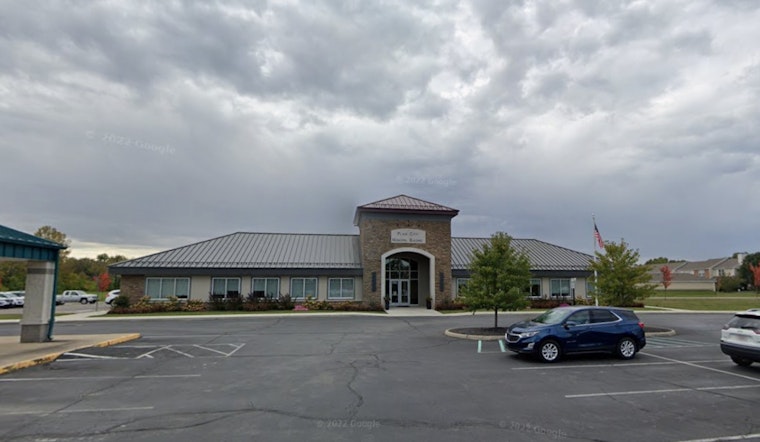
Plain City Village Council voted unanimously to enact a one-year moratorium on new data center development, halting the village from accepting any applications that include data centers for the next twelve months. The ban does not touch existing village properties already permitted to have data centers, but it slams the door on any new proposals until at least next summer.
What makes the vote notable is timing: village officials confirmed that Plain City has received zero pending data center development applications or inquiries within village limits before the ban was enacted, according to 10TV WBNS. Local leaders framed the move as preemptive, wanting legally defensible zoning protections established before any developer formally submits plans, rather than scrambling to react once a proposal lands on their desks. As The Columbus Dispatch reported, the council's unanimous action places the village firmly on the defensive footing many outer-ring Ohio communities have adopted this year.
Months of Stalled Zoning Talks Preceded the Freeze
The moratorium didn't come out of nowhere. Plain City Village Council spent spring and summer debating proposed zoning code updates, Chapter 1188 and Ordinance 32-2026, that would have made data centers a conditional use requiring 2,000-foot setbacks from Big Darby Creek and residential property lines, along with noise controls and utility impact plans, according to Citizen Portal. The council tabled that ordinance in June after residents pushed for even wider environmental buffers, leaving the zoning question unresolved.
The moratorium's length also grew as concerns mounted. Council initially floated a six-month pause in July before extending it to a full year for the final vote, according to the Marysville Journal-Tribune. The extra time is meant to give staff room to study setbacks, vibration, noise, and utility impacts before locking in permanent rules.
Big Darby Creek Drives the Environmental Case
Much of the resident pressure traces back to Big Darby Creek, a scenic waterway that Citizen Portal describes as protected by critical habitat designations and regional accord rules requiring stream setbacks. The creek is home to several endangered freshwater mussel species, a detail that has fueled demands for buffer zones far larger than what the tabled ordinance originally proposed.
The environmental stakes sit alongside a regional build-out that shows no sign of slowing. A regional planning report prepared by the LUC Regional Planning Commission and presented to Plain City leaders found Ohio contained approximately 191 operational data center facilities as of October 2025, per Citizen Portal. That backdrop helps explain why a village with no active proposals still felt urgency to act now rather than later.
Grid Expansion Already Underway Next Door
Plain City isn't waiting on a hypothetical. In June, AEP Ohio Transmission Co. purchased roughly 337 acres off Rosedale-Plain City Road in neighboring Pike Township for $25.3 million to build new substations and 11 miles of high-voltage transmission lines serving a new high-demand customer, as Hoodline previously reported. That land deal is part of AEP's Patina-Mirkwood Transmission Project in Madison County, signaling that industrial power demand in the area is very real even without a data center formally proposed inside village limits.
Growth pressure isn't limited to utilities, either. Union County, where Plain City is partially located, added 5,267 housing units between 2020 and 2025, a 23% surge that ranked fourth highest among all U.S. counties for housing unit growth, according to Census Bureau and Ohio Department of Development figures cited by Hoodline. Nearly 1,500 of those units arrived in 2024 and 2025 alone, adding to the sense that local infrastructure is already stretched thin before any data center campus breaks ground.
Part of a Wider Central Ohio Pattern
Plain City's move fits a broader wave of Central Ohio municipal freezes this year. Logan passed a 180-day data center moratorium in June, and Urbana enacted a 12-month pause over groundwater threats to Cedar Bog, both moves Hoodline has tracked as part of a growing regional trend of smaller municipalities hitting pause on utility grid capacity, water usage, and environmental concerns. Jackson Township, near Grove City, took similar action pausing data center plans earlier this year.
Not every Central Ohio jurisdiction is choosing the freeze. In Ashville, officials suspended their own data center moratorium in April to sign a development deal for two EdgeConneX facilities, a decision that sparked a resident petition drive gathering over 600 signatures before the fiscal officer blocked a public referendum, pushing the fight to the Ohio Supreme Court in July. Columbus City Council took yet another path, rejecting resident calls for an outright ban in July despite more than a dozen residents testifying in favor of one, and instead approving regulations requiring water conservation plans and site decommissioning rules for hyperscale facilities, according to WOSU Public Media.
Plain City's approach lands somewhere between those extremes: not a permanent ban, and not a negotiated regulatory framework, but a year-long timeout intended to let staff finish the zoning homework the council couldn't complete on its own timeline this summer.





