

























































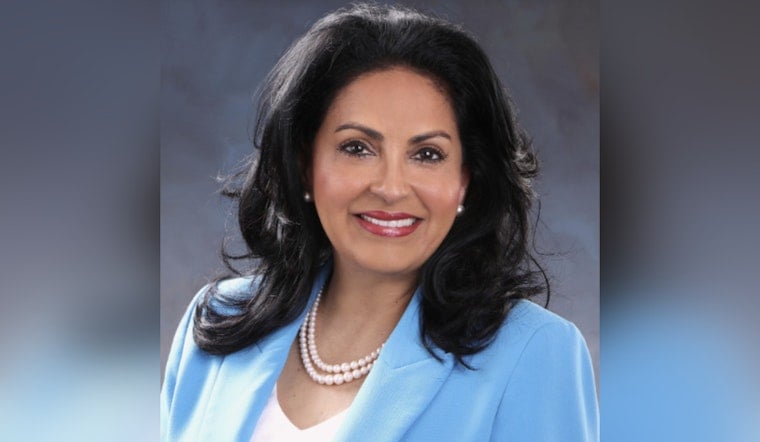
Corpus Christi's City Council voted to suspend Mayor Paulette M. Guajardo from office for 30 days after finding her guilty of three counts of misconduct tied to a $2 million economic incentive deal for a downtown hotel. The council reprimanded Guajardo and handed mayoral duties to Mayor Pro Tem Kaylynn Paxson for the next month, marking the first time in Corpus Christi's 174-year history that a sitting mayor has been formally disciplined or suspended.
A Vote That Fell One Ballot Short of Ouster
The council's suspension vote passed 4-to-2, according to MySA, but the separate push to remove Guajardo entirely fell short of the five-vote supermajority required under the city charter, landing one vote shy of outright ouster. Had removal succeeded, Guajardo would have been barred from seeking office for two years. Council members Gil Hernandez and Sylvia Campos voted to remove her, while Mark Scott and Eric Cantu voted against penalizing her at all, with Scott finding her not guilty on all three counts. Cantu argued that the decision on removing the mayor ultimately belongs to voters, per KIII-TV's reporting.
Guajardo faced charges including misconduct for allegedly aiding a fraud on taxpayers, perjury tied to an August 6, 2025 deposition, and misconduct for failing to maintain confidentiality regarding a Corpus Christi Regional Economic Development Corporation meeting. The council heard four days of testimony spread over two weeks before reaching its verdict. Defense attorney John Flood, who represented Guajardo, told the tribunal the accusation had no foundation once the evidence was considered, and separately argued during the proceedings that punishing an elected mayor for relying on city staff and speculative evidence would set a dangerous precedent for future officials, according to Texas Public Radio.
The Altered Flood Map at the Center of the Fight
The controversy traces back to a 2024 presentation in which Homewood Suites developers used what the petition described as an altered slide to request the $2 million in Type B sales tax funds. According to the removal petition and reporting from The Texas Tribune, the presentation by Elevate QOF LLC developer Phillip Ramirez featured a screenshot of a FEMA flood map stripped of its original 2022 release date, which rival hoteliers claimed created a false impression of urgent infrastructure needs. Six Corpus Christi voters submitted a 2025 petition alleging that Guajardo engaged in misconduct in 2024 connected to the hotel incentive agreement, a petition represented by attorney Doug Allison, who described the years-long dispute as a very serious cancer and corruption affecting Corpus Christi.
Competing hotel developer Ajit David has alleged fraud in the downtown hotel project and sued the city over the deal. The Texas Supreme Court issued an order in July pausing discovery in that civil lawsuit, which named the City of Corpus Christi, Guajardo, and architect Phillip Ramirez, and sought to invalidate the $2 million incentive agreement, the Tribune's reporting notes. Separately, criminal investigations into the same allegations by the Corpus Christi Police Department, Texas Rangers, and FBI concluded across 2025 and 2026 without any criminal charges or findings of illegal wrongdoing, even as the council's civil tribunal reached its own guilty findings.
A Failed Lawsuit and Ethics Complaints Against Her Judges
Before the tribunal convened, Guajardo tried to stop it in federal court, arguing the council was acting unconstitutionally as both accuser and judge. U.S. District Judge George Hanks Jr. dismissed that lawsuit in July, ruling that the charter-mandated tribunal process did not violate her federal constitutional rights. The council's 5–3 vote in March to launch the formal removal proceedings, following the citizen petition filed under Article II, Section 11 of the city charter, had set the process in motion months earlier.
The tribunal itself was clouded by cross-allegations of conflicts of interest. In May, resident Sondra Meyer filed ethics complaints against council members Gil Hernandez, Kaylynn Paxson, and Eric Cantu, accusing them of voting on Homewood Suites matters after accepting campaign donations from developer Ajit David. Campaign records verified the contributions, though the council members denied any wrongdoing.
What Comes Next for Corpus Christi
Under Article II, Section 5 of the city charter, Paxson, who represents District 4, will lead Corpus Christi as mayor pro tem for the 30-day suspension. Had the removal vote succeeded instead, the office would have passed permanently to Councilwoman Carolyn Vaughn, who received the most votes among at-large candidates in 2024. Guajardo was first elected mayor in November 2020 after two terms as an at-large councilwoman beginning in 2016, and she won re-election in December 2024 under charter rules limiting mayors to four consecutive two-year terms.
Following the vote, Guajardo said she remained hopeful the city could move forward with dignity, restore confidence, and bring the community together, and she thanked her constituents for what she called their overwhelming support. Her political future, and the fallout from the hotel deal, now heads toward a pivotal November 2026 mayoral election, with the city still navigating the David lawsuit's paused discovery and the lingering ethics questions hanging over the council that judged her. Hoodline previously covered Guajardo's remarks on major development projects shaping the city's waterfront.





