

























































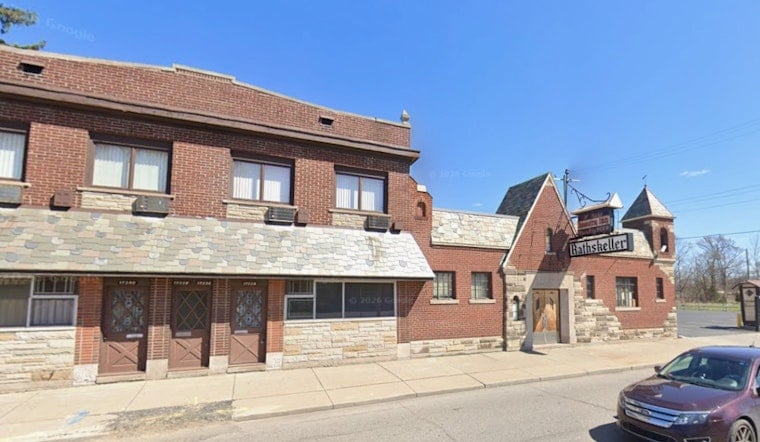
Detroit's Dakota Inn Rathskeller is gearing up for another round of Oktoberfest weekends, running Fridays and Saturdays from September 25 through October 25. The 93-year-old German beer hall on John R Street kicks things off with a keg tapping, a ceremonial reading of the Oktoberfest proclamation, and live music from Tommy Schober and Sorgenbrecher. Reservations are expected to book up completely ahead of time, so anyone hoping to snag a seat at one of the season's marquee nights should plan now.
The celebration comes under the ownership of Paddy Lynch, who purchased the Dakota Inn in 2025, according to The Detroit News. Lynch bought the business from Karl Kurtz, whose family founded the Dakota Inn back in 1933, per the same report. That transition closed out 92 years of continuous family operation, according to Metro Intelligencer, which reported Lynch's June 2025 purchase and detailed his history of reviving other historic Detroit landmarks.
Lynch, a Detroit entrepreneur and third-generation funeral director, has built a reputation for taking over distressed or aging local institutions and bringing them back without stripping away what made them special. Metro Intelligencer notes he previously acquired the bathhouse The Schvitz in 2017, The Convent in 2022, and Dutch Girl Donuts in 2023. That preservationist streak has continued into 2026: Hoodline reported in February that Lynch was planning a second donut shop inside a historic building on East Grand Boulevard in Detroit's North End, and in April, his family's mortuary business announced it would restore the former Perry Funeral Home on Trumbull Avenue as the new Lynch & Sons Woodbridge Chapel.
What's New Behind the Bar and in the Cellar
Per The Detroit News, Lynch and his team have spruced up several parts of the Dakota Inn experience since taking over, including the wine list, the cuisine, the beer garden, and the basement cellar. The overhaul follows the appointment of culinary director Les Molnar, who previously worked with Green Dot Stables and Johnny Noodle King, and beverage director and special programs manager Jarred Gild, who brought experience from Pash & Glou and The Schvitz, according to Metro Intelligencer. The pair were brought on to revamp the restaurant's food and German wine offerings following the ownership change.
Even with the updates, the article notes that Lynch and his team have kept many of the Dakota Inn's longstanding traditions intact. That balancing act mirrors what other outlets have observed about the transition: preserving crowd favorites like the nightly piano sing-alongs and dark wood interiors while modernizing behind the scenes, as Metro Times has described it.
A Beer Hall Rooted in Detroit's German Immigrant History
The Dakota Inn's story stretches back to a Bavarian immigrant named Karl Kurz, who worked at Ford's Highland Park auto plant before opening the original bar on August 1, 1933, inside a renovated former Chinese hand laundry with just three bar stools, according to Historic Detroit. He built the space to resemble a traditional German rathskeller like those in his hometown of Weikersheim, Bavaria, working nights and weekends until it grew into the 145-seat institution it is today. The Michigan Historical Commission listed the Dakota Inn on the Michigan State Register of Historic Sites on June 30, 1988, cementing its status as a recognized landmark.
Kurz also laid the groundwork for the venue's social culture early on. On April 2, 1935, he established the Just Right Club, a social organization meant to foster Gemütlichkeit — the German expression for a warm, welcoming social atmosphere — among the bar's regular patrons, Historic Detroit reports. That concept still defines the Dakota Inn's Oktoberfest celebrations today, from the dark wood paneling and hand-painted Bavarian murals to the taxidermy hunting trophies lining the walls and the nightly piano sing-alongs built around the traditional German woodworker's song Schnitzelbank.
Why Oktoberfest Runs Through Late Autumn
The global Oktoberfest tradition traces back to Munich, Germany, where it began on October 12, 1810, as a royal wedding celebration for Crown Prince Ludwig of Bavaria and Princess Therese of Saxe-Hildburghausen, according to the Deutschlandmuseum. That original festival ended with a horse race on fields later named Theresienwiese, launching what would become an annual tradition. Munich organizers eventually shifted the festival's start into late September to take advantage of warmer weather and longer daylight hours, which is part of why local celebrations like the Dakota Inn's run mostly through September and into late October rather than sticking strictly to the calendar month.
Anyone looking to join the Dakota Inn's Oktoberfest weekends can reach the restaurant by phone at 313-867-9722 or by email at [email protected]. The Dakota Inn is located at 17324 John R in Detroit, and given how quickly the season's reservations tend to fill up, organizers are encouraging guests to book ahead rather than risk missing a Friday or Saturday night before the celebration wraps up on October 25.





