

























































A viral video showing a Dallas restaurant's general manager cutting off alcohol service to a group of Black diners has ballooned into a racial profiling dispute, drawing more than 17 million views, thousands of angry comments, and threats against the business. Maroma, the coastal Mexican restaurant in the Design District, says the decision had nothing to do with race. The diner at the center of the video says she believes otherwise.
Andréa Brim, a 26-year-old registered nurse who lives in Dallas, arrived at Maroma last Saturday with three friends for drinks and appetizers, according to The Dallas Morning News. Brim said the group had been seated for 15 or 20 minutes when Maroma's general manager approached and said they would no longer be served alcohol because of a strong smell of marijuana. Brim recorded part of the ensuing exchange and posted it to social media, where it has since drawn more than 65,000 comments.
In the footage, an argument unfolds between the four diners and the woman identifying herself as the restaurant's general manager. Brim said the restaurant's explanation for the smell shifted over the course of the conversation, moving from the restroom, to complaints from other customers, to the claim that the group itself smelled like marijuana. Brim said she has never used drugs and that her friend does not smoke, and she denied that she or her companions had used marijuana that night. She and her friends eventually asked for their check and left.
Restaurant Says Two Nearby Tables Complained
Alexander Urrunaga, chief operating officer of Big Dill Hospitality, the group that owns Maroma, gave a different account of how the situation unfolded. Urrunaga said the group smelled like marijuana when they arrived but initially appeared to be behaving normally, and that Maroma seated and served them without incident at first. He said two nearby tables later complained about the odor, prompting staff to move one of those tables away.
Urrunaga said two members of Brim's group later went to the restroom area, and staff noticed the smell became stronger afterward. He said staff also observed that one diner was slouched over, had glassy eyes, and appeared to be under the influence. At that point, Maroma stopped serving the group alcohol but continued to offer food and nonalcoholic beverages, according to the restaurant's account relayed to the Dallas Morning News.
Urrunaga denied that the customers' race played any role in the decision to cut off alcohol, saying it was made for safety reasons. Brim, for her part, said she believed the group was racially profiled because they were the only people of color dining at the restaurant that night.
The Legal Line Between Safety and Discrimination
The dispute lands squarely on a legal fault line facing Texas restaurants. Under Section 101.63 of the Texas Alcoholic Beverage Code, selling or delivering alcohol to an intoxicated person with criminal negligence is a misdemeanor punishable by a fine between $100 and $500, up to a year in jail, or both, according to FindLaw. Separately, Section 2.02 of the code exposes license holders to civil liability and potential permit revocation if they serve someone who is obviously intoxicated to the point of posing a danger to themselves or others, per Justia Law. Notably, the code does not establish the smell of marijuana alone as proof that a person is intoxicated.
Complicating any odor-based justification is the fact that Texas legalized industrial hemp containing less than 0.3% THC back in 2019 under House Bill 1325, meaning the scent of cannabis can no longer reliably distinguish legal hemp from illegal marijuana, according to Texas Defenders. Dallas voters compounded that ambiguity in November 2024 by passing a ballot measure directing city police to stop making arrests or issuing citations for misdemeanor marijuana possession of two ounces or less, according to NORML.
On the other side of the ledger sits federal civil rights law. Title II of the Civil Rights Act of 1964 bars restaurants and other public accommodations engaged in interstate commerce from denying full and equal service based on race, color, religion, or national origin, per the U.S. Department of Justice. Texas courts have also held that unlawful discrimination can occur even without an outright refusal of service, if a business communicates to a protected patron that their presence is unwelcome.
Fallout Includes Threats Against the Restaurant
The viral fallout has hit Maroma directly. The restaurant has received insulting and threatening phone calls since the video spread, including a threat to burn the building down. Brim, meanwhile, said she has received harassing messages of her own and feels overwhelmed by the attention the video has generated. She said she is considering legal action against Maroma.
Big Dill Hospitality said it is now working on a formal protocol for handling similar situations in the future. The group, led by chef Omar Flores and the Marshi family, also operates Casa Brasa in Dallas, Even Coast in Addison, Muchacho Tex-Mex, and Whistle Britches, according to The Dallas Observer. Flores, a multi-time James Beard Foundation Award nominee for Best Chef: Southwest, previously led kitchens at Abacus and Casa Rubia before co-founding the hospitality group.
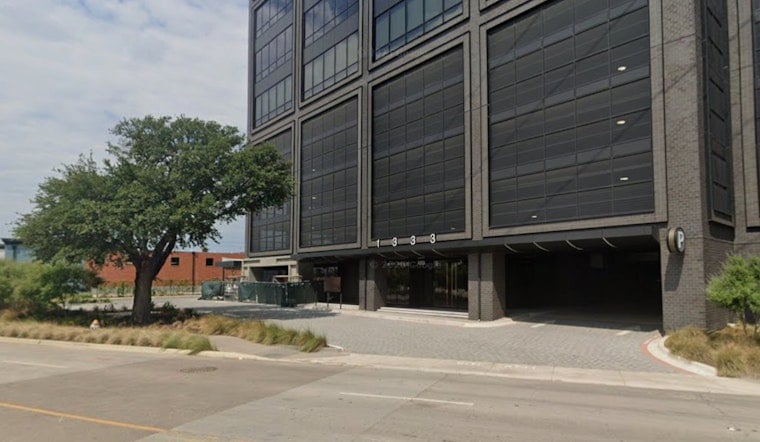
Maroma opened at 1333 Oak Lawn Avenue in the Design District in a splashy May debut that Hoodline covered at the time, occupying a 3,800-square-foot space built to seat 150 guests across its dining room and a temperature-controlled patio kept at 70 degrees year-round for group dining and late-night outings. That recent opening had already made the restaurant a buzzy Design District destination before this week's controversy turned that attention in a very different direction.





