

























































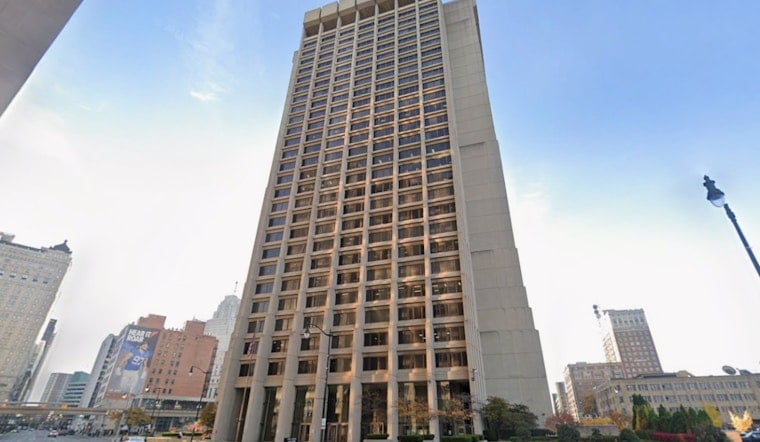
The Drug Enforcement Administration's Detroit Field Division seized more than 17 kilograms of fentanyl during a recent enforcement surge across Michigan, Ohio and northern Kentucky, a haul federal officials say could have produced roughly 8.5 million potentially deadly doses. The operation also led to 176 arrests, according to the agency, as investigators worked to disrupt trafficking networks moving synthetic opioids through the region.
The DEA Detroit Field Division described the effort as a targeted surge against drug trafficking across its territory, according to CBS News Detroit. Beyond the fentanyl, the operation yielded 70 kilograms of methamphetamine, 210 kilograms of cocaine, 266 pounds of marijuana and 2,500 counterfeit pills, as reported by The Metro Detroit News. Agents also recovered 142 firearms and $2.6 million in cash and assets during the sweep.
How a Single Surge Stacks Up Against a Full Year
The scale of the recent action becomes clearer when measured against the division's annual totals. During all of 2025, the DEA Detroit Field Division made 950 arrests and seized 147 kilograms of fentanyl, 1,658 kilograms of cocaine, 1,054 kilograms of methamphetamine, 324 firearms and more than $17 million in cash and assets, according to the U.S. Drug Enforcement Administration. Measured against that annual baseline, the recent surge alone accounted for roughly a tenth of a year's worth of fentanyl seizures and cash recoveries in just one push.
The DEA calculates fentanyl lethality using a standard benchmark of 2 milligrams as a potentially lethal dose for an adult, meaning one kilogram of fentanyl powder or a mixed substance equates to roughly 500,000 lethal doses, per the U.S. Centers for Disease Control and Prevention. That formula is how the agency arrived at its estimate that the 17 kilograms seized in this surge could have amounted to about 8.5 million potentially deadly doses. The Detroit Field Division is headquartered in downtown Detroit and oversees 11 district and resident offices spanning all of Michigan and Ohio, as well as northern Kentucky, according to the agency's own description of its territory.
Timing Tied to National Fentanyl Awareness Day
The DEA held its press conference announcing the results on Wednesday, timed to precede National Fentanyl Prevention and Awareness Day tomorrow — an annual observance established in 2022 to honor synthetic opioid victims and educate the public about counterfeit prescription pills, the same CBS News Detroit report notes. Anyone facing charges tied to fentanyl trafficking in these cases could be looking at significant prison exposure. Under 21 U.S.C. § 841, possessing with intent to distribute 400 grams or more of a mixture containing fentanyl carries a mandatory minimum of 10 years in federal prison and up to life, while 40 grams or more triggers a 5-year mandatory minimum, according to the U.S. District Court for the District of New Hampshire.
Overdose Deaths Fall Even as Seizures Climb
The enforcement surge lands against a backdrop of declining overdose deaths statewide. Preliminary data from the Michigan Department of Health and Human Services projects under 1,800 fatal drug overdoses in Michigan for 2025 — a 47% drop from the 3,096 deaths recorded in 2021, marking the state's lowest annual overdose total in more than a decade. In Wayne County, which encompasses Detroit, overdose deaths fell 42% in 2024 as harm-reduction interventions expanded across Metro Detroit, according to WDET Detroit.
Public health officials point to harm-reduction tools as a major driver of that decline. Michigan has distributed over 1.7 million naloxone overdose-reversal kits since 2020, resulting in more than 34,000 documented overdose reversals statewide, per WOWO. Still, officials have warned that new threats keep emerging in the illicit drug supply. Michigan health officials warned in July 2025 that carfentanil — a synthetic opioid 100 times more potent than fentanyl — contributed to at least 11 overdose deaths across Michigan in early 2025, including cases in Wayne and Oakland counties, according to WDIV Local 4 News.
Part of a Broader Pattern of Detroit-Area Raids
The surge is the latest in a string of federal and local drug enforcement actions across Metro Detroit this year. According to Hoodline, in June, federal agents and Detroit Police busted a felon with fentanyl and guns in a west side apartment raid, while a Detroit resident tied to an Arizona-to-Michigan mail trafficking network was sentenced to five years in a separate case the following month. In April, multi-agency raids in Washtenaw County turned up nearly 700 grams of drugs and $274,000 in cash. Together, law enforcement supply-reduction operations and public health harm-reduction programs form the twin pillars of Michigan's ongoing response to the opioid crisis, a dynamic underscored by the state health department's own tracking of the overdose decline.





