

























































A national art movement built around the stories of Black mothers who died from preventable pregnancy complications has arrived in Detroit this week, bringing portraits, a documentary screening and a public exhibition meant to put faces on a crisis that state data shows continues to hit Black families hardest. The three-day event, called In Her Honor, is being hosted by Mothering Justice and the ARIAH Foundation from Wednesday through Friday.
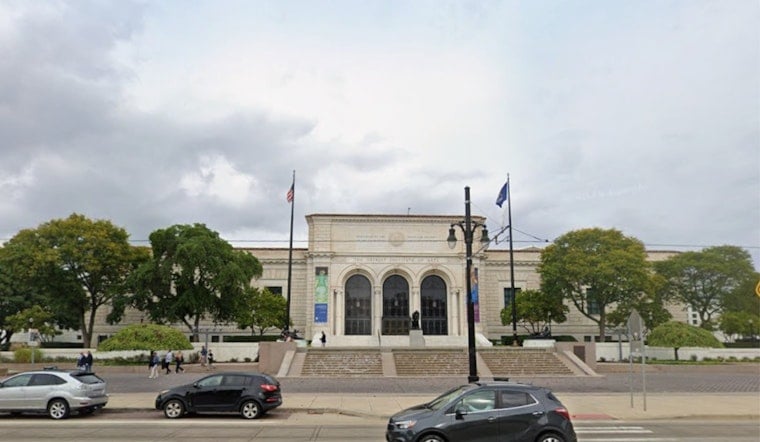
The tour marks its seventh stop nationwide, according to the Michigan Advance, and includes a screening of the award-winning documentary Aftershock and community discussion today at the Detroit Institute of Arts, a signature gala Thursday, and a public exhibition day Friday from 9 a.m. to 9 p.m. at the Mothering Justice National Movement Home on Division Street. The exhibition will display portraits, personal stories, and educational installations examining racial disparities shaping maternal health outcomes in the United States.
The project traces back to the October 2019 death of Shamony Gibson, a 30-year-old mother who died from a birth-related pulmonary embolism 13 days after giving birth to her son, according to the same reporting. Her partner, artist and ARIAH Foundation co-founder Omari Maynard, has since painted around 60 portraits of Black women who lost their lives, giving many of the finished works to the women's families.
An Artist's Grief Becomes a National Movement
“Art creates a way to understand the human impact of maternal health on families,” Maynard said, according to the Michigan Advance report. Gibson's mother, Shawnee Benton Gibson, who worked in reproductive health justice before her daughter's death, co-founded ARIAH Foundation with Maynard and has turned her grief into a movement supporting families facing similar losses.
“Providers should listen and act when people report postpartum bodily concerns,” Benton Gibson said, per the Michigan Advance account of her remarks. The dossier notes that Shamony Gibson's medical team repeatedly dismissed her postpartum symptoms before her death, a detail documented by Stop The Clot in coverage of the family's advocacy work.
Local Advocates See Art as a Tool for Policy Change
Danielle Atkinson, founder and executive director of Mothering Justice, said In Her Honor uses art to humanize maternal mortality stories, and added that more work is still needed to improve prenatal care and postnatal support. Mothering Justice previously won a policy change allowing incarcerated postpartum mothers at Huron Valley Correctional Facility to pump and ship breast milk to their newborns, a 2024 reform Hoodline previously reported.
According to the Centers for Disease Control and Prevention, cited in the Michigan Advance report, Black women are three times more likely than white women to die from a pregnancy-related cause, and roughly 80% of pregnancy-related deaths in the United States are preventable. Black women also reported being treated differently or ignored when reporting pain, or lacking adequate postpartum support, the outlet noted.
Michigan's Persistent Racial Gap
State-level figures reinforce the national trend. A Center for Healthcare Research & Transformation analysis found Black women in Michigan were 2.2 times more likely to die from pregnancy-related causes than white women between 2016 and 2020, according to the group's December 2025 report, with state health officials estimating that 75% to 80% of Michigan's maternal deaths are preventable. A 2026 Michigan Senate resolution cited CDC data showing the U.S. maternal mortality rate stood at 44.8 deaths per 100,000 live births for Black women, compared to 14.2 per 100,000 for white non-Hispanic women.
Michigan has 15 counties with little to no hospitals or birth centers providing pregnancy and childbirth care, per the Michigan Advance report. Michigan Planned Parenthood closed three clinics, the outlet also noted, though the dossier does not specify when or where. The 2025 March of Dimes Report Card gave Michigan a D+ grade for maternal and infant health, citing a 10.7% preterm birth rate in 2024 and finding that Black infants in the state die at 2.1 times the overall state rate, according to the March of Dimes.
Legislative and Economic Responses Underway
Racism is a major factor contributing to the lack of access to maternal care, the Michigan Advance report states, and Michigan lawmakers have responded with a series of measures. The state passed the Momnibus legislative package, which helped Michigan set up and license freestanding birth centers. Governor Gretchen Whitmer signed the Birth Center Licensure Bill into law in January 2025, making Michigan the 43rd state to license freestanding birth centers and clearing the way for community providers like Birth Detroit to open the city's first freestanding birth center, according to Birth Detroit.
The broader 10-bill Momnibus package, backed by coalitions including Mothering Justice, also introduced proposals to mandate hospital access for doulas and support persons, require reporting of obstetric racism, and expand civil rights protections for pregnant workers, as detailed by PBS News. Michigan also now provides resources to new mothers through the Rx Kids cash assistance program, which offers a $1,500 payment during pregnancy and $500 monthly for six months after childbirth. The program, developed by Michigan State University and first launched in Flint in 2024, expanded to Detroit in January 2026, according to MSUToday.
Why Disparities Persist Beyond Income
Researchers at the University of Michigan School of Public Health point to what is known as the “weathering hypothesis” to explain why the disparities persist regardless of a mother's income or education level. The concept, developed by U-M professor Arline Geronimus, holds that lifelong exposure to systemic racism causes chronic biological stress and premature health deterioration in Black women, elevating risks for complications like hypertension at younger ages, according to the university's School of Public Health.
State surveillance data compiled by the Citizens Research Council of Michigan points to infection and sepsis, obstetric hemorrhage, and thrombotic pulmonary embolism as the primary clinical causes of pregnancy-related deaths across the state — the same condition that killed Shamony Gibson. In Her Honor will highlight advocates, birth workers, and organizers working to close those gaps, framing the Detroit stop as both a memorial and a call to action for a health system advocates say still has far to go.





