

























































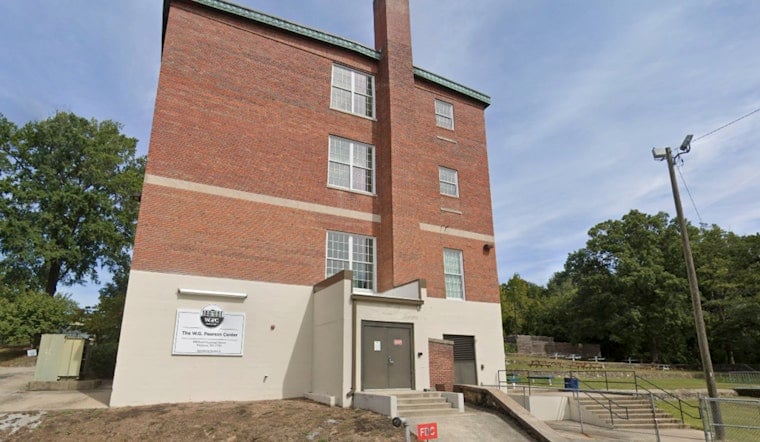
A Durham barber and musician who goes by Hezter Boi debuted his first documentary Thursday at the W.G. Pearson Center, turning a converted 1928 schoolhouse in the historic Hayti neighborhood into a stage for real stories of poverty, incarceration and domestic violence overcome by everyday Durham residents. Khedron Mims, who runs Rivals Barbershop near downtown, calls the film “Bull City Turnaround,” and he says it grew out of a belief in second chances that shapes both his barbershop chair and his music career.
The film chronicles the challenges and triumphs of Durham residents who underwent significant life transformations, according to CBS 17. Mims has a personal connection to the film's themes, and he told the station that hope “drives no matter what you have gone through in your past, knowing that if you learn from your mistakes in life, you can rebound and come back even more successful.” The Thursday premiere included live music, guest speakers and a post-film question-and-answer session, and Mims said he hopes the project inspires communities well beyond Durham.
Mims built his local profile well before turning to film. He released the track “Bull City Anthem” in January 2023, a recording that earned him local recognition, according to INDY Week. He uses both barbering and music as platforms for youth mentorship and anti-violence advocacy, the outlet reported, a dual role that appears to have fed directly into the documentary's focus on mentorship and community support as forces in people's journeys toward redemption.
A Soundtrack and a Historic Backdrop
The documentary was not built alone. It was produced alongside an accompanying soundtrack album featuring local Durham musicians and was edited by cinematographer Stewart Nelsen, according to the Southern Documentary Fund, the Durham-based nonprofit supporting the project. The fund fiscally sponsors more than 100 documentary projects and awards annual $15,000 production grants to non-fiction filmmakers across 12 Southern states, with a stated focus on uplifting stories that reflect Southern communities.
The venue itself carries weight. Built in 1928 as a historically Black elementary school in the Hayti district, the W.G. Pearson Center was renovated in 2017 and is now owned and operated by the education nonprofit Student U, per the center's own history. Hayti historically served as a prominent hub of Black culture and business in Durham. The building's namesake, William Gaston Pearson, was born into slavery in 1858, became Durham's first Black high school principal, and co-founded the Royal Knights reform organization in 1886 — a legacy that earned him the nickname Durham's Black Superintendent for his leadership at Hillside Park High School, according to Student U Durham.
Redemption Stories Against a Backdrop of Policy and Crime Data
The film's re-entry storylines land amid real numbers on the ground in Durham. City data show more than 700 individuals return to Durham from state prisons each year, with a 25% re-entry rate into the justice system within 100 days of release from county jail and 46% after one year, according to Durham's Innovation Team. Those figures sit alongside a mixed public safety picture: a First Quarter 2026 crime report from the City of Durham showed a 4.6% increase in Part 1 violent crime compared to the same period in 2025, even as property crime fell 6.1%, with the city recording 365 Part 1 violent crimes in that quarter.
North Carolina joined the national Reentry 2030 initiative in January 2024, setting statewide targets that include cutting post-incarceration homelessness by 50% and expanding local reentry councils across all 100 counties. Roughly 95% of state prisoners in North Carolina eventually complete their sentences and re-enter society, according to Reentry 2030. Locally, Durham backs returning justice-involved residents through the Durham Local Reentry Council and case management programs run by the Durham County Criminal Justice Resource Center, which offers substance use recovery and court diversion services, per Durham County Government records.
Regional Attention Before the Screening
Ahead of Thursday's premiere, “Bull City Turnaround” drew regional television coverage on WRAL and FOX 50 News in August, with the coverage highlighting the project's focus on inner-city resilience amid rapid urban growth — Durham is frequently cited as one of the fastest-growing cities in North Carolina. That broadcast attention, paired with the community turnout at the Pearson Center, suggests Mims' grassroots effort is reaching audiences beyond the barbershop chair where his advocacy began.
How closely community-driven projects like Mims' film will connect with formal county reentry programs, and how Hayti and similar neighborhoods will balance redevelopment pressure with ongoing violence prevention work, remain open questions. For now, Mims says his goal is simpler: using Durham's own stories to tell people that a turnaround is possible, no matter where they start.



