

























































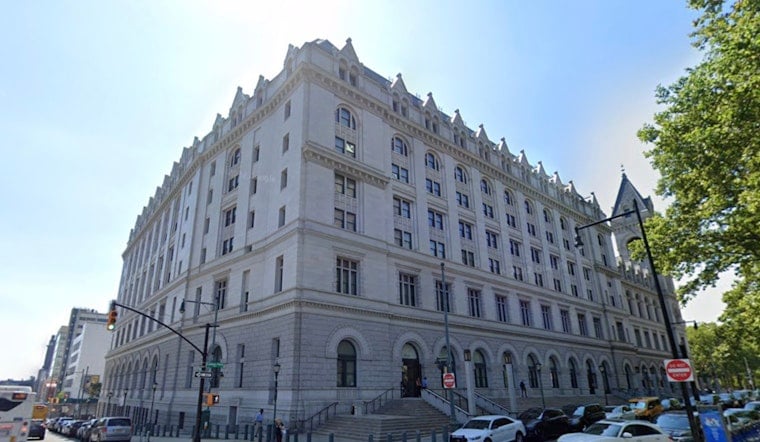
An accountant who ran a practice in Elmhurst, Queens, is facing federal charges after prosecutors say he sold Long Island real estate investors ownership stakes in properties he never actually owned, then tried to erase his debts by lying to a bankruptcy judge. Alberto Gomez was arrested Monday morning in Boca Raton, Florida, and now awaits arraignment in New York federal court.
Prosecutors allege Gomez solicited investments in Long Island properties he did not own and, in some cases, sold more than 100 percent of the total ownership interest in a single property to multiple victims, according to the U.S. Department of Justice. The federal indictment, unsealed Monday in Central Islip, accuses him of running the scheme out of his Elmhurst-based practice. Losses from the scheme topped $3 million across more than a dozen investors, with several victims putting in their life savings, the Justice Department says.
“As alleged in the indictment, Gomez brazenly stole millions of dollars from over a dozen investors, some of whom staked their life's savings on his lies, and then shamelessly declared bankruptcy, doubling down by lying to the court as well,” U.S. Attorney Joseph Nocella, Jr. said in a statement carried by US Attorney EDNY.
Bankruptcy Filing Allegedly Used to Dodge Repayment
Rather than repay the investors he'd defrauded, Gomez allegedly submitted a fraudulent bankruptcy petition to the U.S. Bankruptcy Court for the Eastern District of New York, per the DOJ's account, and lied under oath in an effort to discharge his debts. That maneuver effectively tried to weaponize a court process designed to give honest debtors a fresh start, turning it into a second layer of the alleged fraud against the same victims.
The case was investigated by the FBI's New York Field Office, under the leadership of Assistant Director in Charge James C. Barnacle, Jr., the DOJ notes. Gomez's arrest in Florida came with assistance from the FBI's Miami Office and its West Palm Beach Resident Agency, reflecting the multi-region effort required to take him into custody before his return to New York to face the charges.
What Gomez Could Face in Federal Court
Nocella's office, which oversees federal prosecutions across Brooklyn, Queens, Staten Island, Nassau and Suffolk counties — a jurisdiction covering more than 8 million residents, per the DOJ — is pursuing the case under two federal statutes. Wire fraud, charged under Title 18 U.S.C. § 1343, carries a maximum statutory penalty of 20 years in federal prison per count. Bankruptcy fraud, charged under Title 18 U.S.C. § 157, carries a statutory maximum of 5 years, along with potential fines and mandatory restitution.
Those statutory ceilings, however, don't tell the whole story of Gomez's potential exposure. Under federal sentencing guidelines, specifically USSG § 2B1.1, actual prison terms for wire fraud are heavily shaped by the dollar amount lost by victims, and losses above $3 million trigger substantial increases to a defendant's advisory guideline range, according to background compiled on Wikipedia. That means the scale of the alleged scheme against Long Island investors could push any eventual sentence well beyond what a bare reading of the statutes might suggest.
It remains unclear when Gomez will be extradited from Florida to face arraignment in Central Islip, and whether additional victims or co-conspirators may surface as the case proceeds. Federal authorities have not yet said what assets, if any, might be recovered or frozen to compensate the investors who say they lost their savings.





