

























































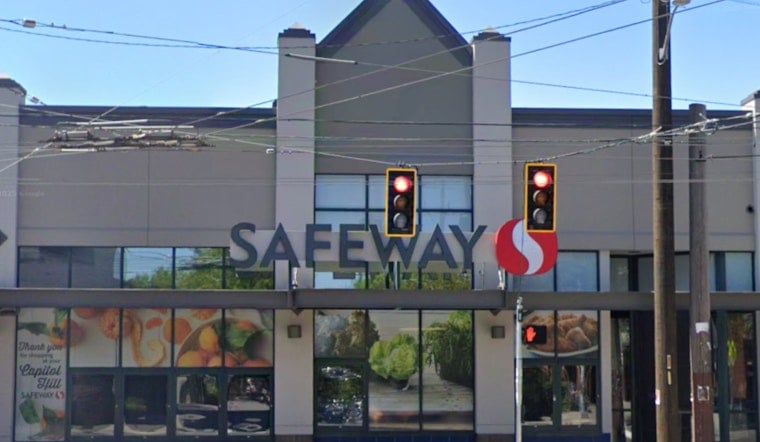
Seattle grocers are bracing for a City Council fight over a proposed ban on "surveillance pricing," warning that the crackdown could gut the same loyalty programs and coupon deals many shoppers already rely on to save money. The Northwest Grocery Retail Association, which represents 455 retailers across Washington, says it wants to work with the council on a version of the bill that protects consumers without wiping out standard discounts.
The Fair Pricing and Transparency Ordinance, expected to be introduced to the Seattle City Council, would prohibit companies from using artificial intelligence and personal information to charge different customers different prices for the same goods, according to KOMO News. Surveillance pricing, as defined in the proposal, is the practice of using data such as browsing history, location or shopping habits to set individualized prices for the same retail item.
Retailers Say the Ban's Language Is Too Broad
Amanda Dalton, president of the Northwest Grocery Retail Association, told KOMO News that "the current proposal is too broad," and she insisted her members are not using personal information to drive grocery prices. She warned that "retailer loyalty programs, discounts, savings and coupons are at risk if the ordinance is not written correctly," adding that "consumers lose if the ordinance is drafted incorrectly."
To push back, the retail association launched a campaign called Protect Seattle Savings, which backs protections against using personal data to charge higher prices but wants the ordinance narrowed. According to the coalition's website, its members spent July working with the mayor's office and offered amendments meant to preserve existing discount and rewards programs. The group maintains that the version of the ordinance transmitted to the council still does not address its core concerns.
Federal Regulators Have Circled the Issue for Years
The Seattle debate is unfolding against a backdrop of growing federal scrutiny of how retailers price goods online. A Federal Trade Commission study found that retailers track consumers' web browsing history to suggest purchases and set prices, and that the same online product can carry different price tags depending on a shopper's location, browsing device or even device language, according to the Federal Trade Commission. The agency has described the surveillance pricing system as a "shadowy ecosystem," and in July 2024 it issued compulsory orders to eight companies, including Mastercard, Revionics and Bloomreach, seeking details on how consumer data and algorithms are used to set targeted prices.
Surveillance pricing has also drawn scrutiny from both parties in Washington, D.C. At a U.S. Senate Judiciary subcommittee hearing on Tuesday, Chairman Josh Hawley called the practice "the unholy trinity of everything Americans hate" and "one of the biggest scams in American history," according to a statement released by Senator Hawley's office. Research presented at the same hearing by the Groundwork Collaborative, visible in footage of the session, estimated that algorithmic price variations on grocery platforms like Instacart could cost an average family up to $1,200 a year.
Washington State and Other States Are Moving in Parallel
Seattle's proposal mirrors a broader statewide push. Washington lawmakers introduced Senate Bill 6312, also called the Fair Pricing and Transparency Act, in January, which would ban surveillance-based price discrimination and surge pricing in grocery stores and impose a four-year moratorium on electronic shelf label systems in stores larger than 15,000 square feet, per BillTrack50.
New Jersey became the third state to ban grocery surveillance pricing when Governor Mikie Sherrill signed the Fair Price Protection Act earlier this month, according to the Office of Governor Mikie Sherrill. California's attorney general, meanwhile, launched an enforcement sweep in January under the state's privacy law targeting grocery, retail and hotel companies over surveillance pricing, per the California Department of Justice.
A Pattern of Grocery Fights at Seattle City Hall
This isn't the first time Seattle officials and grocers have clashed over pricing and access. Washington's attorney general sued Albertsons in April, alleging the chain inflated regular prices before running buy-one-get-one promotions across more than 3 million transactions, a case Hoodline detailed in its coverage of the Albertsons lawsuit. Months earlier, in October 2025, the council unanimously banned anti-competitive property covenants that blocked new grocery stores or pharmacies from opening in vacated spaces, a move passed after closures in Lake City and Capitol Hill threatened to leave those neighborhoods without nearby grocers, according to the Seattle City Council.
Many loyalty and discount programs already require shoppers to opt in, a distinction retailers say the city needs to preserve as it finalizes the ordinance's language. For now, the coalition says it hopes to work with the council to draft a workable bill, though exactly how Seattle will define prohibited surveillance pricing versus permissible loyalty discounts remains unresolved.





